CBG vs CBD: Which Cannabinoid Works Better?
Key Takeaways
Understanding the differences between CBD and CBG can help you choose the right cannabinoid for your specific wellness needs and daily routine.
-
CBD excels for evening relaxation - Best for anxiety, sleep support, and seizure management with extensive clinical validation and FDA approval
-
CBG provides daytime clarity - Superior for mental focus, antibacterial effects, and immediate inflammatory relief without drowsiness
-
CBG costs significantly more - Requires 20x more plant material than CBD due to its minor cannabinoid status (1% vs 40% plant concentration)
-
Combined use maximizes benefits - The entourage effect suggests CBD and CBG work synergistically for enhanced therapeutic outcomes
-
Both are federally legal - Hemp-derived CBD and CBG products containing less than 0.3% THC are legal under the 2018 Farm Bill
The key distinction lies in their mechanisms: CBD works indirectly by modulating your body's natural endocannabinoids, while CBG acts directly on receptors for more immediate effects. This fundamental difference explains why CBD promotes relaxation and CBG enhances alertness, making timing crucial for optimal results.
Introduction
Have you found yourself standing in front of a display of cannabinoid products, wondering whether CBD or CBG might be the better choice for your wellness needs? You're not alone in this decision. While cannabis contains over 400 chemical compounds, with around 80 of them being biologically active, these two particular cannabinoids have captured attention for their unique wellness benefits.
CBD has earned its reputation as the most researched cannabinoid, widely used for supporting sleep, discomfort relief, and relaxation. CBG, on the other hand, is often called the "mother of all cannabinoids" and is gaining recognition for its distinct properties. Both compounds originate from cannabigerolic acid (CBGA), but they develop through different processes.
What makes CBG particularly interesting is its status as a minor cannabinoid — yet studies suggest it may help reduce inflammation, combat pain, and even slow the proliferation of some cancer cells. While CBD has been extensively studied for conditions like inflammatory diseases, anxiety, and epilepsy, CBG is typically preferred for daytime use to support focus.
Understanding these differences matters when you're considering adding cannabinoids to your wellness routine. Each works differently in your body, offers distinct benefits, and fits better into different parts of your day.
Let's explore what sets CBD and CBG apart — from how they interact with your body to their therapeutic applications and practical considerations like cost and availability. By the end, you'll have a clear understanding of which cannabinoid might better address your specific wellness goals.
What Is the Difference Between CBD and CBG?
The fundamental distinction between CBD and CBG lies in their abundance and roles within the cannabis plant. Unlike THC, neither compound produces intoxicating effects, making them appealing options for those seeking wellness benefits without the "high".
Chemical Structure and Origin: Major vs Minor Cannabinoid
CBD is classified as a major cannabinoid, constituting up to 40% of cannabis plant extract. CBG, however, takes a different path — it's considered a minor cannabinoid, typically comprising only about 1% of the plant. Both share the same chemical formula with 21 carbon atoms, 2 oxygen atoms, and 30 hydrogen atoms. The key difference? Their atomic arrangements vary significantly, affecting how they interact with your body's endocannabinoid system.
CBG earns its nickname as the "mother of all cannabinoids" because it serves as the precursor from which other cannabinoids develop. Think of it this way: in young cannabis plants, cannabigerolic acid (CBGA) transforms into other cannabinoid acids through plant enzymes. As the plant matures, these acids convert into CBD, THC, and other compounds. This developmental process explains why CBG content diminishes as plants mature — most CBGA converts into other cannabinoids, leaving minimal CBG behind.
What Is CBG in Gummies and Oils?
CBG gummies are edible candies infused with cannabigerol extracted from hemp plants. CBG oils combine high-CBG hemp extract with carrier oils that help your body digest and absorb the cannabinoid more effectively. These products offer convenient delivery methods for experiencing CBG's potential benefits.
Users report that CBG may support:
- Mental clarity and focus
- Reduced everyday stress
- Mild energy without jitteriness
- Digestive comfort and inflammation relief
How CBD and CBG Are Extracted from Hemp
Extracting both compounds begins with similar processes — typically using supercritical CO2 or ethanol to create crude extracts. The extraction economics tell a different story, though. Since CBG exists in much smaller quantities than CBD, producers need approximately 20 times more biomass to extract the same amount of CBG compared to CBD.
Timing matters significantly here. For maximum CBG yield, plants must be harvested early in their growth cycle — about six weeks into an eight-week flowering period — before CBGA converts to other cannabinoids. CBG extraction also requires specialized chromatography equipment to isolate and purify the cannabinoid, adding to production costs. These factors explain why CBG products typically command premium prices compared to CBD alternatives.
How CBD and CBG Interact with the Body
Remember how we mentioned that CBD and CBG work differently in your body? The key to understanding these differences lies in how each cannabinoid interacts with your endocannabinoid system (ECS) — the network that helps regulate everything from mood to pain responses.
The ECS serves as the primary target for both CBD and CBG, though these cannabinoids engage with it through markedly different mechanisms.
Understanding Your Endocannabinoid System: CB1 vs CB2 Receptors
Your ECS consists of cannabinoid receptors, endogenous cannabinoids, and enzymes responsible for their synthesis and degradation. Think of it as your body's internal communication system, with two main types of receivers picking up different signals.
CB1 receptors predominate in the brain and central nervous system, regulating mood, pain, and memory. CB2 receptors concentrate in immune tissues, controlling inflammation responses. What's particularly interesting is that CB2 receptors can increase up to 100-fold following tissue injury — essentially your body's way of calling for backup when you need it most.
CBD's Indirect Approach vs CBG's Direct Action
Here's where things get fascinating. CBD doesn't bind directly to cannabinoid receptors. Instead, it influences the ECS by inhibiting fatty acid amide hydrolase (FAAH), which breaks down anandamide, thereby increasing its levels. CBD works through indirect mechanisms, modulating the production and efficacy of naturally produced endocannabinoids.
CBG takes a more direct approach — acting as a partial agonist for CB2 receptors with minimal direct activation of CB1. CBG exhibits binding affinities of 380-2,600 nM for CB1 and 153-3,460 nM for CB2 receptors. CBG also functions as a potent agonist of the α2-adrenergic receptor with EC50 values as low as 0.2 nM.
This difference in action explains why CBG often provides more immediate effects while CBD works more gradually to support your body's natural processes.
The Entourage Effect: When CBD and CBG Work Together
The entourage effect describes how cannabinoids work synergistically when used together. Since CBG and CBD employ distinct mechanisms, their combination often produces enhanced therapeutic outcomes. Full-spectrum extracts containing both compounds typically provide superior anti-inflammatory and pain-relieving effects compared to isolated cannabinoids.
Understanding these interaction patterns helps explain why some people find better results with full-spectrum products rather than single-cannabinoid formulations.
What Are the Therapeutic Benefits of CBG vs CBD?
Both CBG and CBD offer distinct therapeutic benefits, and understanding these differences can help you make informed decisions about which might better support your specific health needs.
CBG Benefits: Neuroprotection, IBD, and Antibacterial Effects
Research reveals CBG's promising neuroprotective properties for conditions like Huntington's disease, Parkinson's disease, and multiple sclerosis. When it comes to inflammatory bowel disease, CBG significantly reduces intestinal inflammation by modulating cytokines (IL-1b, IL-10) and interferon-γ levels. A remarkable 2020 study found CBG dramatically reduced colonic inflammation and improved tissue recovery in a mouse colitis model.
What's particularly impressive about CBG is its potent antibacterial activity, especially against methicillin-resistant Staphylococcus aureus (MRSA). Unlike most cannabinoids, CBG effectively combats Gram-positive bacteria by disrupting their cell membranes. This makes it stand out in the fight against antibiotic-resistant infections.
CBD Benefits: Anxiety, Epilepsy, and Inflammation
CBD has earned recognition for its effectiveness in anxiety management, with studies showing reduced anxiety symptoms in participants subjected to public speaking tests. This effectiveness led to FDA approval for treating seizures in Lennox-Gastaut and Dravet syndromes, reducing seizure frequency by 39% compared to 17% with placebo.
The anti-inflammatory properties of CBD stem from its ability to prevent the release of pro-inflammatory compounds. This mechanism makes it valuable for supporting those dealing with arthritis and various inflammatory conditions.
CBG vs CBD for Pain Relief
When it comes to pain management, CBG demonstrates stronger anti-inflammatory effects than CBD. The key difference lies in how they work: CBG operates directly on CB1/CB2 receptors, providing more immediate relief, while CBD works indirectly, making it better suited for chronic, persistent discomfort.
CBG vs CBD for Focus and Mental Clarity
Users typically experience sharper mental clarity with CBG, often describing it as "clear-headed alertness" without overstimulation. CBD, conversely, promotes relaxation and may potentially cause drowsiness at higher doses. For productivity and daytime energy, CBG provides clean, sustained alertness without the caffeine-like crash.
CBG vs CBD for Seizures and Neurological Disorders
CBD remains superior for seizure management, with clinical trials showing significant reductions in seizure frequency. It works by blocking lysophosphatidylinositol (LPI) signals in the hippocampus. While both cannabinoids show promise for neurodegenerative conditions, CBD has more extensive clinical validation for epilepsy treatment, with prescription Epidiolex reducing seizures by 39% in clinical trials.
Remember, these therapeutic applications highlight why timing and choice matter when considering cannabinoid support for your wellness routine.
What Are the Practical Considerations?
When you're ready to try CBD or CBG products, understanding the practical side becomes just as important as knowing their benefits. Legal status, availability, and cost all play a role in your decision-making process.
Is CBG Legal Where You Live?
The good news is that both CBD and CBG gained federal legal status under the 2018 Farm Bill, provided they contain less than 0.3% THC by dry weight. However, individual states still maintain the authority to create their own regulations. Generally, CBG follows the same legal guidelines as CBD at the state level.
Remember to check your local laws, especially if you're traveling across state lines. Some states place restrictions on hemp flower regardless of which cannabinoids it contains, so it's worth doing a quick check before making a purchase.
Why CBG Costs More Than CBD
Here's where the economics get interesting — and help explain those price differences you've probably noticed. CBG occurs in much smaller concentrations in mature hemp plants, typically less than 1% compared to CBD's 20%. This means manufacturers need approximately 20 times more plant material to extract the same amount of CBG.
Young hemp plants do contain slightly more CBG (around 5%), but harvesting early means sacrificing the potential CBD yield. CBG extraction also requires specialized chromatography equipment, which adds to production costs. These production challenges have driven CBG distillate prices up 61% year-over-year.
Product Options: What's Available
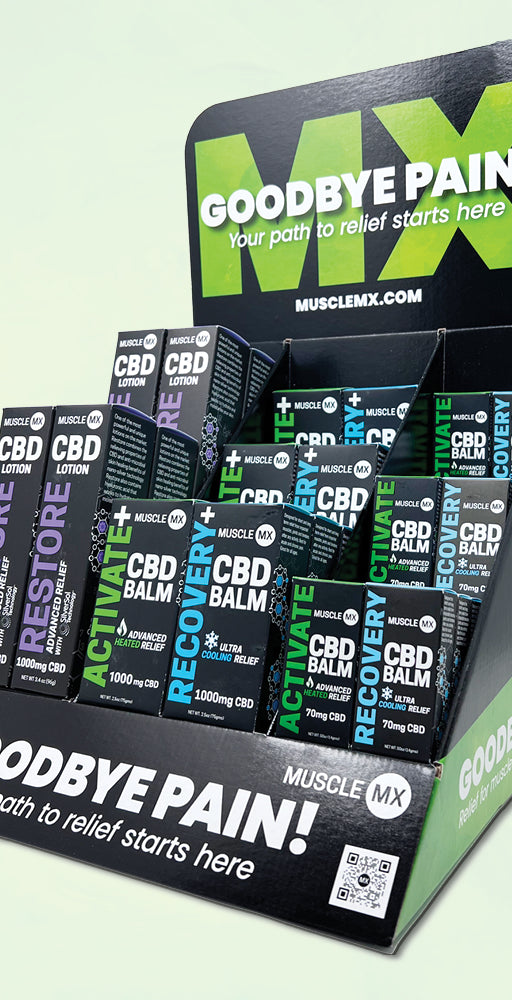
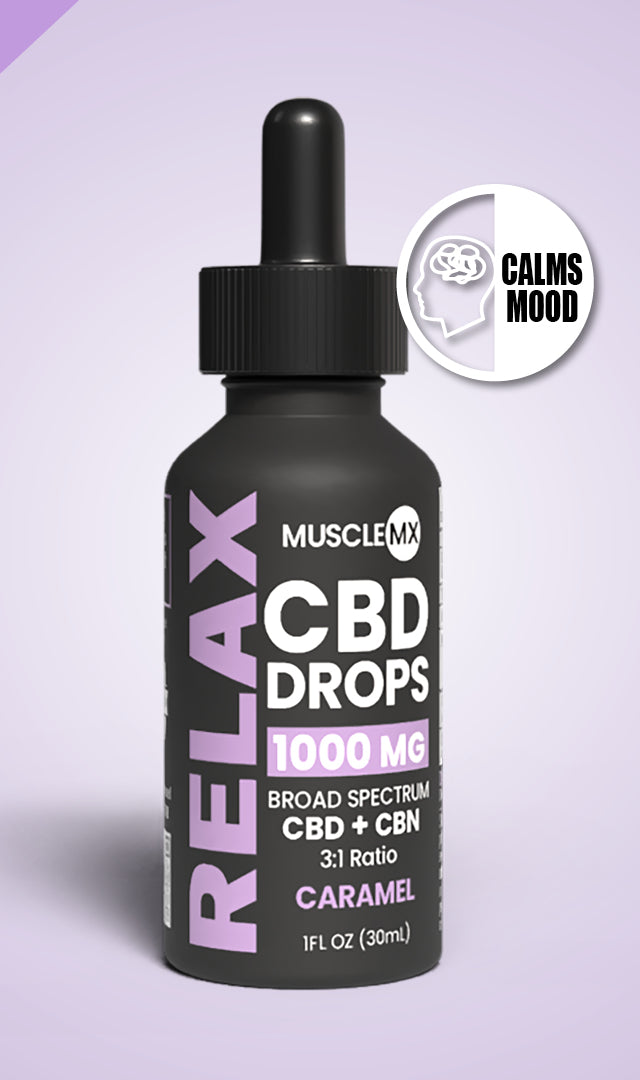
CBD products dominate the market with extensive options — gummies, oils, tinctures, edibles, topicals, and capsules. CBG offerings remain more limited, typically available as oils, tinctures, and specialized formulations. Some manufacturers create blends that combine CBG with CBD to offer more affordable options.
What to Look for on Product Labels
Quality matters, especially in a market that's still developing regulations. Keep an eye out for labels that clearly show:
- Hemp source and confirmation that THC content stays below 0.3%
- Total cannabinoid content in milligrams per serving
- Spectrum type — whether it's full, broad, or isolate
- Manufacturing date, since potency can decrease over time
- Third-party laboratory testing results
- The FDA has noted that some products may carry inaccurate labeling, so verifying these details before you purchase helps ensure you're getting what you pay for.
Quick Reference: CBD vs CBG Comparison
Now that we've explored how these cannabinoids work and their unique benefits, you might find it helpful to see the key differences side by side. This comparison table summarizes the essential information to help you make an informed choice for your wellness routine.
|
Characteristic
|
CBD
|
CBG
|
|
Classification
|
Major cannabinoid
|
Minor cannabinoid ("mother of all cannabinoids")
|
|
Plant Concentration
|
Up to 40%
|
Approximately 1%
|
|
Chemical Structure
|
21 carbon, 2 oxygen, 30 hydrogen atoms
|
21 carbon, 2 oxygen, 30 hydrogen atoms
|
|
Receptor Interaction
|
Indirect (inhibits FAAH)
|
Direct (partial agonist for CB2 receptors)
|
|
Primary Benefits
|
- Anxiety reduction
- Seizure management
- Chronic inflammation
- Sleep support
- Relaxation
|
- Mental clarity and focus
- Neuroprotection
- Antibacterial (especially MRSA)
- IBD relief
- Immediate pain relief
|
|
Best Time for Use
|
Evening/Night (may cause drowsiness)
|
Daytime (promotes alertness)
|
|
Extraction Efficiency
|
Standard biomass requirements
|
Requires 20x more biomass than CBD
|
|
Market Availability
|
Widely available in multiple forms
|
Limited availability, fewer product options
|
|
Relative Cost
|
Lower
|
Higher (due to extraction challenges)
|
|
Clinical Validation
|
Extensive research, FDA-approved applications
|
Emerging research, fewer clinical studies
|
Remember, this table serves as a quick reference guide, but your individual needs and how your body responds to each cannabinoid will ultimately determine which works better for you. Many people find success with products that contain both cannabinoids, taking advantage of their complementary effects.
Final Thoughts
CBD and CBG each bring unique strengths to your wellness toolkit, working through distinctly different mechanisms in your body. CBD functions indirectly by modulating endocannabinoid levels, while CBG acts directly on receptors, particularly CB2. This fundamental difference explains why each excels in specific applications.
CBD proves superior for anxiety management, seizure control, and promoting relaxation. CBG stands out for mental clarity, antibacterial properties, and immediate inflammatory relief. Their contrasting effects make timing important — CBD works best in evening routines, while CBG shines during daytime use when focus matters most.
The practical considerations currently favor CBD. Production challenges make CBG significantly more expensive, requiring approximately 20 times more plant material for equivalent yields. CBD products dominate the market with abundant options, while CBG offerings remain limited though growing.
Both compounds remain federally legal under the 2018 Farm Bill, provided they contain less than 0.3% THC. Research suggests these cannabinoids work synergistically through the entourage effect, making combined formulations potentially more effective than either alone.
Your choice between CBD and CBG depends on your specific wellness needs. Those seeking relief from anxiety, seizures, or sleep issues might benefit most from CBD. People wanting daytime clarity, focus, and immediate inflammatory support should consider CBG. Many users find value in products containing both cannabinoids to support their complementary effects.
The cannabis wellness landscape continues evolving, with research uncovering new applications for these remarkable compounds. Whether you choose CBD, CBG, or both, third-party testing remains essential to ensure product quality, potency, and safety.
Remember, your wellness journey is uniquely yours. Understanding how CBD and CBG work differently in your body empowers you to make informed decisions about which cannabinoid might better support your specific goals and daily routine.
FAQ's About CBG vs. CBD
Q: How do CBD and CBG differ in their effects on the body?
A: CBD works indirectly by modulating endocannabinoid levels, while CBG acts directly on receptors, particularly CB2. This leads to different effects: CBD is better for anxiety and relaxation, while CBG excels in promoting mental clarity and focus.
Q: Which cannabinoid is more effective for pain relief?
A: CBG demonstrates stronger anti-inflammatory effects and provides more immediate relief for pain management. CBD, however, is better suited for chronic, persistent discomfort due to its indirect action on the endocannabinoid system.
Q: Is it advisable to take CBD or CBG before bedtime?
A: CBD is generally better suited for evening use as it promotes relaxation and may cause drowsiness at higher doses. CBG, on the other hand, is typically preferred for daytime use due to its ability to enhance alertness and focus.
Q: Why is CBG more expensive than CBD?
A: CBG is more expensive due to its lower concentration in hemp plants (about 1% compared to CBD's 40%). This requires approximately 20 times more plant material for extraction, along with specialized equipment, resulting in higher production costs.
Q: Are there any potential risks or contraindications for using CBG?
A: While CBG is generally considered safe, it's always advisable to consult with a healthcare professional before use, especially if you have pre-existing medical conditions or are taking medications. As with any supplement, individual reactions may vary, and more research is needed on long-term effects.
References
https://www.medicalnewstoday.com/articles/cgb-vs-cbd
https://www.technologynetworks.com/tn/articles/cbg-vs-cbd-what-are-the-differences-390019
https://www.health.harvard.edu/blog/beyond-cbd-here-come-the-other-cannabinoids-but-wheres-the-evidence-2021032322190
https://www.forbes.com/health/cbd/cannabigerol-cbg/
https://www.endocannabinoidmedicine.com/major-and-minor-cannabinoids/
https://pmc.ncbi.nlm.nih.gov/articles/PMC11597810/