How to Do Tennis Elbow Exercises That Actually Relieve Pain Fast
Key Takeaways
Tennis elbow affects 1-3% of the population and requires a structured approach combining specific exercises with supportive treatments for optimal recovery.
- Start exercises when pain persists beyond a week - Basic activities like holding a coffee mug or turning doorknobs become difficult and signal need for therapy
- Perform daily stretching and strengthening for 6-12 weeks - Wrist extensor stretches and eccentric exercises with light weights rebuild tendon resilience most effectively
- Expect gradual improvement by week 4-6 - Complete tendon healing takes 6-12 months, but pain should decrease significantly with consistent daily exercise
- Combine exercises with supportive treatments - Voltaren gel, CBD balm, ice therapy, and counterforce braces accelerate recovery when used alongside exercise programs
- Use proper progression and pain monitoring - Keep exercise pain between 0-5 on a 10-point scale and gradually increase weight from 1-3 pounds as tolerance improves
The key to tennis elbow recovery lies in consistency rather than intensity. Most people see meaningful pain reduction within 4-6 weeks when following a structured daily routine that addresses both flexibility and strength deficits in the forearm muscles.
Introduction
Tennis elbow — it's a condition that can make even the simplest activities feel like a challenge. You might be surprised to learn that tennis elbow exercises aren't actually meant just for tennis players. Most people dealing with this discomfort develop it from work-related activities like cutting meat, plumbing, and working on cars rather than swinging a racket.
This condition, known medically as lateral epicondylitis, affects 1% to 3% of the population. When your elbow starts acting up, finding effective relief becomes essential for getting back to your daily routine without that nagging discomfort.
The encouraging news? Targeted exercises can help you recover faster when you approach them correctly. We'll walk you through proven stretching and strengthening techniques, show you the right way to address tennis elbow, and explore additional treatment options like CBD balm that can support your path to feeling better.
Understanding Tennis Elbow Exercises Before You Start
Getting started with tennis elbow exercises is more than just jumping into a routine. Understanding when to begin, what you'll need, and what to expect can make the difference between successful recovery and ongoing discomfort.
Recognizing When Exercise Therapy Is Needed
Pain that persists longer than a few days to a week signals the need for professional evaluation and structured tennis elbow physical therapy exercises. You should seek treatment if your pain suddenly becomes more severe or if you experience wrist and hand pain alongside elbow discomfort.
The condition typically shows up as sharp or burning sensations on the outer edge of your elbow. Pain gets worse when you twist or bend your arm and often travels from your elbow down to your forearm and wrist, particularly at night. Most people develop lateral epicondylitis in their dominant arm since that's the side naturally used for repetitive activities.
Remember, basic activities become challenging when exercise therapy is needed. Holding a coffee mug, turning a doorknob, or shaking hands may trigger discomfort and weakness. Without appropriate treatment, symptoms can extend beyond the elbow as you compensate for the sore spot, placing additional strain on other parts of your arm.
What You'll Need to Get Started
You can perform tennis elbow treatment exercises at home with minimal equipment. The basic setup requires handheld dumbbells, an instruction sheet, and commitment to the program. A THERABAND FlexBar serves as another effective tool for eccentric exercises that strengthen muscles while lengthening connective tissue.
Start in a safe environment where you feel well enough to exercise. Setting up your space properly prevents additional injury and allows you to focus on proper form during each movement.
Setting Realistic Recovery Expectations
A therapeutic exercise program for epicondylitis should be continued for 6 to 12 weeks, unless your doctor or physical therapist specifies otherwise. While the exercise program spans weeks, complete tendon healing takes 6 to 12 months.
Let's talk about what you can realistically expect. Pain should start improving by week 4 or 6 when you perform exercises once daily, seven days a week, for about 3 months. Some degree of discomfort is normal during exercises, but you should not feel excessive pain. Rate your pain on a scale where 0 represents no pain and 10 represents the worst pain imaginable. Aim to keep your pain within a rating of 0 to 5 during exercises.
If your elbow pain hasn't improved within 6 weeks of following exercise advice, contact a healthcare professional about your symptoms. Recovery timelines vary based on symptom duration and individual factors, with early cases resolving in 6 to 12 weeks and long-standing problems often requiring 3 to 6 months.
Step-by-Step Stretching Exercises for Tennis Elbow
Stretching throughout the day can make a real difference in how your elbow feels, especially before any gripping activity. These exercises focus on your wrist extensors and flexors to help ease that tension building up in your forearm muscles.
Wrist Extensor Stretch
Start by straightening your arm and bending your wrist back as if you're signaling someone to "stop". Take your opposite hand and apply gentle pressure across the palm, pulling it toward you until you feel a stretch along the inside of your forearm. Hold for 15 to 30 seconds. Repeat this 2 to 5 times, then switch to your other arm[111]. Remember not to lock your elbow during the stretch.
Want to try a deeper variation? Place your hands flat against a table with your fingers spread wide and elbows straight. Slowly lean forward with your palms down until you feel that stretch in the underside of your forearms. Hold for up to two minutes, pressing your palms firmly against the table for 10 seconds to create some tension.
Wrist Flexor Stretch
Extend your affected arm out in front of you with your palm facing down. Bend your wrist back, pointing your fingers up toward the ceiling. Use your other hand to gently bend your wrist a little farther until you feel a mild to moderate stretch in your forearm. Hold this position for 15 to 30 seconds. Repeat 2 to 4 times.
You can also try an alternate position by extending your arm with your palm facing up, then bending your wrist so your fingers point down. Gently pull your hand toward your body until you feel the stretch.
Finger and Forearm Stretches
These smaller movements can pack a big punch for relief. Place a rubber band around your thumb and fingers with your hand slightly cupped. Gently spread your thumb and fingers apart, then bring them back together. Repeat 10 times for three sets, doing this exercise once or twice daily.
Finger-thumb opposition exercises also help restore that flexibility you've been missing. Point your fingers and thumb straight up with a relaxed wrist. Touch your thumb to each finger one at a time, forming an "okay" sign. Keep your other fingers as straight as possible and repeat this 8 to 12 times with each hand.
Strengthening Exercises That Support Your Recovery
Once you've worked on flexibility, it's time to focus on rebuilding strength. Strengthening exercises form the foundation of tennis elbow recovery because they help rebuild tendon resilience and muscle endurance. Eccentric exercises remain the most studied approach for lateral epicondylitis.
Eccentric Wrist Extension with Weights
Rest your affected forearm on a table with your palm facing down and hand hanging over the edge. Hold a light weight in your hand with wrist flexed. Use your unaffected hand to lift your wrist into full extension, then remove support and slowly lower the weight over 3 counts. Remember, the unaffected arm must assist each lift into the extended position.
Start without any weight, then progress to 1 lb., then 2 lbs., ending at 3 lbs. once you complete 30 repetitions on 2 consecutive days without increased pain. This gradual approach helps your tendon adapt without overwhelming it.
Concentric Wrist Flexion Exercise
Position your forearm on a table with palm facing up. Bend your wrist upward, lifting the weight as high as possible, hold for 1 count, then slowly lower for 3 counts. Follow the same staged progression we outlined above.
Forearm Rotation Exercise
With your elbow bent at 90 degrees, begin with palm facing the side. Slowly turn your palm up (supination), return to start, then slowly turn palm down (pronation). This movement helps restore the rotational strength you need for daily activities.
Advanced Kettlebell Exercises
Kettlebell swings train your body as a connected system. Perform 50 repetitions three times weekly, driven by hip extension while maintaining neutral wrist position. This exercise helps you build functional strength that translates to real-world activities.
Grip Strengthening Techniques
Squeeze a rubber stress ball for 10 seconds, repeating 10 times. You can also twist a towel in opposite directions to work both wrist extensors and flexors. These simple exercises can be done throughout the day to gradually build your grip strength back up.
What Other Options Can Help Your Tennis Elbow Feel Better?
Most cases of tennis elbow respond well to rest, ice, rehab exercises, pain medicine, and counterforce braces. While your exercise routine forms the foundation of recovery, several additional treatments can help speed up the process.
Topical Creams That Actually Work
When it comes to topical relief, Muscle MX Restore Lotion has the strongest evidence among your options. This cream typically starts working within 5 to 10 minutes and can provide 4 to 6 hours of relief with each application.
You'll also find menthol-based creams helpful — they work by activating cold receptors that essentially override pain signals your body is sending. Camphor-based options take a different approach, helping improve blood circulation in the area.
How CBD Balm Can Support Your Recovery
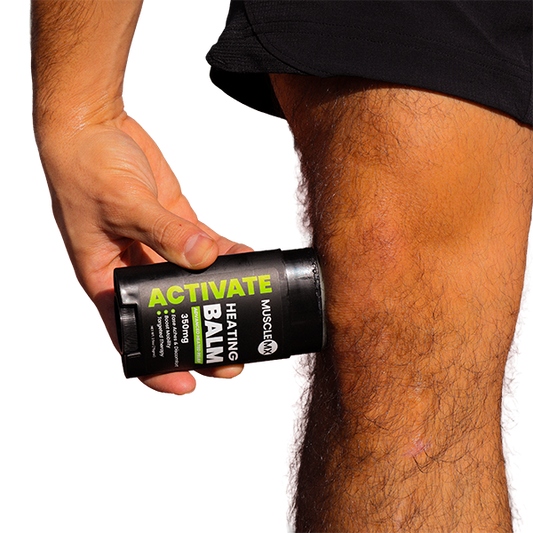
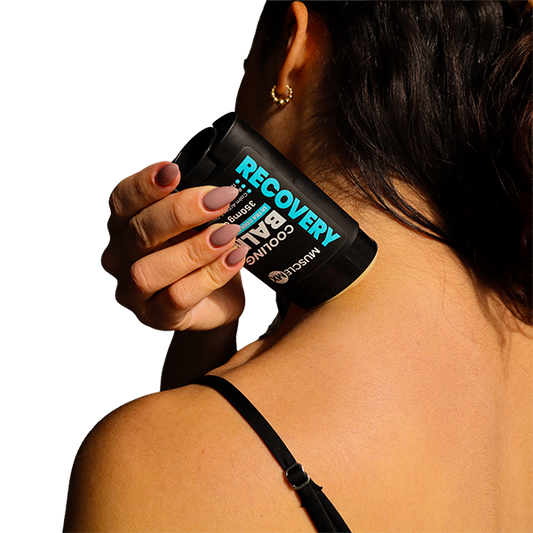
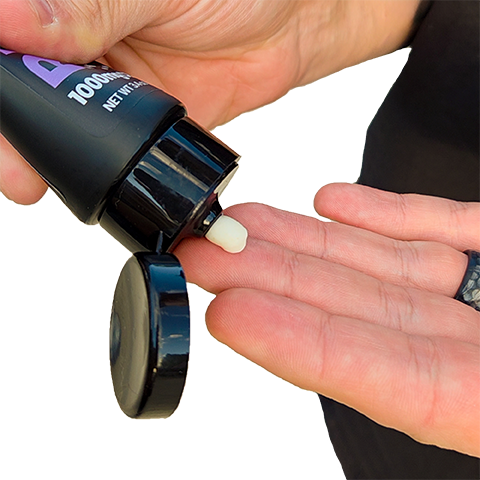
Have you considered trying CBD for your elbow discomfort? CBD cream applied directly to your forearm and elbow area can penetrate the skin to help ease feelings of discomfort and tension. You might start noticing effects in just minutes, with relief typically lasting two to four hours.
It's important to understand that while CBD can help manage your symptoms, it doesn't directly address the underlying tendon damage. Think of it as another tool in your toolkit for feeling more comfortable during your recovery process.
Ice or Heat — Which Should You Choose?
This is a common question, and the answer depends on your situation. Ice should be your go-to for 20 minutes when you're dealing with a recent injury. For tennis elbow specifically, ice tends to be the better choice for joint discomfort, even though heat can be helpful for larger muscle groups after the first few days of injury.
Braces and Support Options
Counterforce braces can be quite helpful because they apply targeted compression without limiting your movement too much. The key is proper placement — the silicone pad should sit just below where you're feeling the most discomfort to help relieve tension on the tendon. Remember, braces tend to work best when you combine them with other treatments rather than relying on them alone.
When Professional Help Makes Sense
Sometimes you need more than self-care. You should reach out to a physical therapist if your discomfort persists longer than a few days to a week, suddenly gets worse, or if simple activities like holding a coffee cup become difficult. There's no need to tough it out when professional guidance can help you get back to feeling like yourself again.
Final Thoughts
You now have the knowledge and tools to address tennis elbow discomfort effectively. Consistency is what matters most when it comes to these stretches and strengthening exercises — stick with your daily routine for 6 to 12 weeks to see the best results.
Pairing your exercise routine with supportive treatments like CBD balm, ice therapy, and braces can help accelerate your path to feeling better. Remember, improvement typically starts around week 4 or 6 with dedicated effort, so patience with the process is important.
Understanding the causes of your elbow discomfort and having a clear plan for addressing it is the first step toward getting back to your daily activities without that nagging pain. Your elbow will regain its strength and function with the right approach and commitment to your wellness journey.
FAQ's About Tennis Elbow Exercises
Q: How long does it take for tennis elbow exercises to relieve pain?
A: You should start noticing pain improvement by week 4 to 6 when performing exercises daily. However, a complete therapeutic exercise program typically requires 6 to 12 weeks of consistent effort, and full tendon healing can take 6 to 12 months. Early-stage cases may resolve in 6 to 12 weeks, while long-standing problems often need 3 to 6 months of dedicated treatment.
Q: What equipment do I need to perform tennis elbow exercises at home?
A: You can perform most tennis elbow exercises with minimal equipment. The basic setup includes handheld dumbbells (starting at 1 lb. and progressing to 3 lbs.), a rubber stress ball for grip strengthening, and optionally a THERABAND FlexBar for eccentric exercises. Some stretches require no equipment at all and can be done using just your body weight and opposite hand for support.
Q: How often should I do tennis elbow stretches throughout the day?
A: Stretching should be performed throughout the day, especially before any gripping activities. For specific stretches like wrist extensor and flexor stretches, hold each position for 15 to 30 seconds and repeat 2 to 5 times per session. The complete exercise program should be done once daily, seven days a week, for approximately 3 months to achieve optimal results.
Q: Should I use ice or heat for tennis elbow pain relief?
A: Ice is the preferred treatment for tennis elbow and should be applied for 20 minutes, especially for recent injuries or acute pain. Ice works better for joint pain in elbows compared to heat. Heat is generally more effective for larger muscle groups and should only be used after three days of injury, but ice remains the better choice for elbow-specific pain relief.
Q: When should I seek professional help for tennis elbow?
A: You should consult a healthcare professional if your pain persists longer than a few days to a week, suddenly becomes more severe, or if basic activities like holding a cup or shaking hands become difficult. Additionally, if your elbow pain hasn't improved within 6 weeks of following exercise advice, or if you experience wrist and hand pain alongside elbow discomfort, it's time to see a physical therapist or doctor.
References
https://www.aafp.org/pubs/afp/issues/2007/0915/p849.html
https://peakperformanceclinics.com/signs-you-need-physical-therapy-for-tennis-elbow/
https://my.clevelandclinic.org/health/diseases/7049-tennis-elbow-lateral-epicondylitis
https://medi-dyne.com/pages/injury-treatment-tennis-elbow?srsltid=AfmBOopdkWUPNnyCTv4hhZhFzxfZEb1bX0-B1p0396f4NvJq2lbeQRet
https://www.performancehealth.com/articles/the-one-tool-you-need-to-relieve-tennis-elbow-pain?srsltid=AfmBOoqdls4ok42pV19uVZaQNc9SGEpR3b_1ZTgeCCXFOaYDcKup1cUb
https://www.nhsinform.scot/illnesses-and-conditions/muscle-bone-and-joints/arm-shoulder-and-hand-problems-and-conditions/exercises-for-tennis-elbow
https://orthoinfo.aaos.org/globalassets/pdfs/2022-therapeutic-exercise-program-for-epicondylitis.pdf
https://stanfordhealthcare.org/medical-conditions/bones-joints-and-muscles/tennis-elbow/treatments.html
https://physioremedies.com/blog/tennis-elbow-heal-time