Topical Pain Relief: Understanding Topical Pain Relievers
| Do you ever have pain or discomfort that requires nearly round-the-clock ibuprofen or another pain medication just to get through the day? Maybe it’s a specific area of your body that gives you trouble on a routine basis. Each year so many of us spend countless time, money, and emotional energy trying to deal with pain so that we can either continue the physical activity that we love or get back to doing what we used to. Perhaps you’ve even started to try creams and balms as a way to get relief from the constant or periodic discomfort. If you’re interested in learning more, read on to find out about the different types of topical pain relievers and how they could change the game for your pain. |
What Types of Topical Pain Relievers Exist?If you’re new to the world of topical treatments for pain, all of the options can be daunting — and confusing. When in doubt, talk with your doctor about your pain and the best ways to address it. Your doctor can work with you to identify the cause of your symptoms, and recommend the best treatment options to help you find relief. There are several broad categories of topical pain relievers. Each one functions differently, but all are meant to temporarily relieve pain. Understanding the different kinds of topicals will help you understand which type (or types) might be best for you and your pain management.Topical NSAIDsNon-steroidal anti-inflammatory drugs (NSAIDs) are topicals that contain anti-inflammatory medications, such as diclofenac. These work similarly to oral NSAIDs, but they’re absorbed through the skin instead. Often, NSAIDS are used for conditions like arthritis that are meant to be applied to the affected area to lessen inflammation.CapsaicinoidsThese products use, believe it or not, hot chili peppers! The substance in chili peppers that gives them their spice, capsaicin, can be used in a balm or pain relief cream to numb a painful area.LidocaineThis particular type of medication helps lessen pain by completely numbing the area where it’s applied. It’s similar to the medication that’s given when a dentist injects novocaine in your mouth before doing dental work. When a lidocaine patch is applied to an affected area on the body, the whole area that’s touching the patch will become progressively numb, allowing the muscles to relax and the pain to decrease.CounterirritantsHave you ever spread a menthol rub on your chest or under your nose during a cold? While balms that use menthol, camphor, or similar oils can be used to open up your nasal passages, they also work by applying either extreme cool or heat to an area of the body to mislead the mind and provide temporary relief from pain. Topicals like Bengay are meant to bring a warming, comforting sensation to help relax the pain away.Other External Pain RelieversThere are other ways to address your pain externally. For example, if you strain a muscle and end up with back pain after helping with a friend’s move, soaking in a jacuzzi, using a heating pad, or taking a hot bath might help relieve some of the pain from muscle tension. If your feet or hands burn from neuropathy, sometimes soaking them in cold water can bring some temporary relief. You can also use an icy-hot patch and apply it to a specific area of pain. |
When Can You Use a Topical for Pain?What are specific conditions and injuries where a topical might be the best option? There are many! Here are a few specific areas that it might help to reach for a cream or balm to help address your pain:InjuriesMaybe the most obvious time to apply a topical for pain is after an injury. For many, this may be a routine thing to do, as injuries that happened years or even decades ago can sometimes flare up and cause rebound pain. Some common injuries that pain topicals might help include:
Muscle Pain and SorenessIf you’ve ever practiced throwing a baseball after months or years of not doing so, the soreness following can be excruciating. Maybe you live in a cold climate where you don’t run during the winter, and you go out on the first warm spring day that comes along. Odds are, you’re going to feel some muscle tension and tenderness following your run. A topical balm or cream can be just what you need to ease your muscles enough to rest them before the next activity.Post SurgeryA difficult part of any invasive surgery is the recovery period following the operation. A particularly good time for a topical for pain is following surgery, as the build-up from scar tissue at the sight of the operation can cause long-term pain and discomfort. A soothing cream or balm can provide a reprieve from post-surgery discomfort.Neuropathic PainIf you suffer from neuropathy, then you know a thing or two about discomfort! Neuropathy can be painful and immensely frustrating, as there isn’t always a clear cause or remedy for the discomfort. Nerve pain is very common, and many go to great lengths to find relief. Topicals that work to confuse pain receptors so that you don’t feel the pain that’s usually there can be immensely relieving.Arthritis and Other Inflammatory ConditionsIf you have any condition that ends in “-itis,” then you are likely dealing with some form of inflammation. Whether it be arthritis pain or general joint pain, inflammatory conditions can be especially tough to deal with due to the way they may temporarily go away and then suddenly flare up again. Some topical pain formulations are specifically designed to provide arthritis pain relief.AgingNo matter how healthy or active we are, none of us can stop or slow the hands of time — we will age, and with aging often comes decreased physical ability. From stiff joints to back pain, aging can come with several different types of aches and pains, many of which can interfere with daily activities. Topical pain relievers can help soothe the discomfort so you can get on with your day. |
Relief From Discomfort With Topical HerbsThere are a variety of topical herbs that may help offer relief from feelings of tension and discomfort, with CBD being at the forefront.What Is CBD?The endocannabinoid system is a part of our body’s way of communicating with itself. CBD is a chemical that comes from the hemp plant and, when taken orally or applied to the skin, can affect the cannabinoid receptors in our bodies. Here are a few quick facts about CBD:
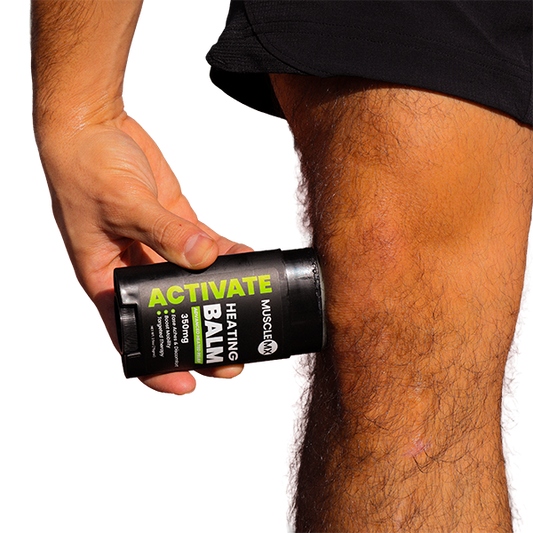
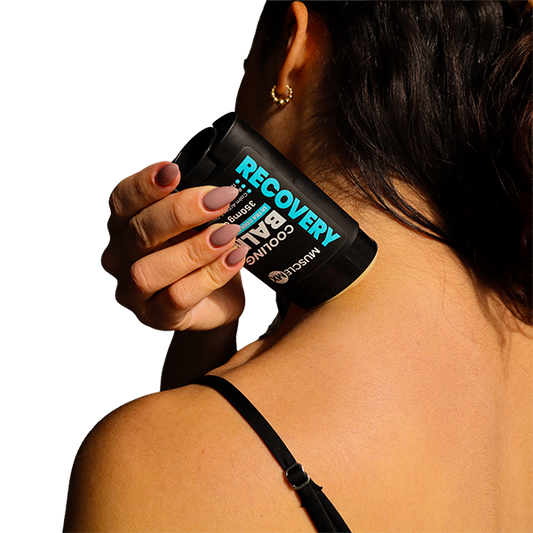
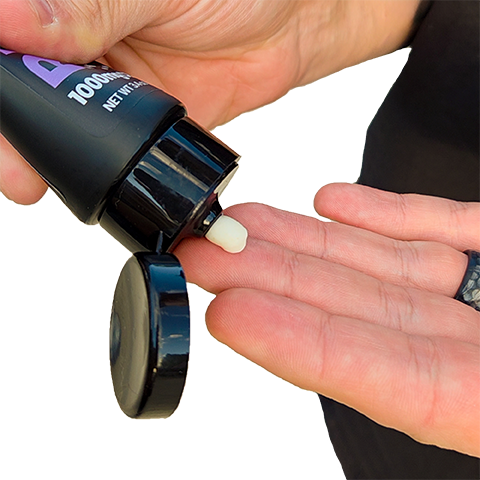
How Does CBD Work?When a CBD product is used, the cannabinoid receptors are stimulated to ease feelings of discomfort and promote well-being. If you take a tincture, gummy, or other oral CBD product, that effect is distributed over the whole body, but a cream, lotion, or balm can target a specific area. At Muscle MX, we use broad-spectrum CBD so that you get the benefits of all the cannabinoids without the THC. While the benefits of CBD are becoming well-known, as with any health product, it’s important to know how it’s going to affect your body. A CBD topical is a great way to explore the world of CBD and what it can do for your discomfort.What Types of CBD Topical Products Are There?At Muscle MX, we offer several CBD topical products designed to relieve feelings of tension and stress and bring increased comfort. We offer several balms and lotions designed to bring you relief fast.
|
Find Out What CBD Topicals Can Do for YouWe’re proud to bring you natural, simple CBD topicals to help you ease discomfort and feel better today! Maybe it’s just routine discomfort from an old injury that flares up, or maybe it’s a more pesky form of tension. Either way, check out our line of high-quality topicals and see what a CBD balm, cream, or lotion can do for you. Sources: Diclofenac Topical (arthritis pain) | Medline Plus The pharmacology of topical analgesics | NCBI Peripheral neuropathy - Diagnosis and treatment | Mayo Clinic |