How to Heal a Sprained Knee Quickly: A Step-by-Step Recovery Guide
Key Takeaways
Here are the essential insights for healing a sprained knee quickly and safely:
- Know your injury grade: Grade I sprains heal in 1-3 weeks, Grade II takes 4-6 weeks, and Grade III may require 3+ months for complete recovery.
- Follow the three-phase approach: Protect and reduce swelling (days 1-3), restore movement and flexibility (days 4-14), then rebuild strength progressively.
- Recovery speed depends on multiple factors: Age, overall health, previous injuries, adherence to treatment, nutrition, and sleep quality all impact healing time.
- Don't rush the timeline: Premature return to activity risks re-injury and extends overall recovery time significantly.
- Respect your body's healing process: Patience and proper protocol adherence are crucial for preventing future complications and achieving full strength recovery.
The key to successful knee sprain recovery lies in understanding your specific injury severity and following a structured, phase-based approach rather than trying to accelerate the natural healing process.
Introduction
A sprained knee — it's an injury that can sideline you from the activities you love and turn simple movements into uncomfortable challenges. If you're dealing with knee pain and wondering how to get back on your feet, you're certainly not alone in wanting relief as quickly as possible.
The encouraging news is that your body has a remarkable ability to heal when you give it the right support. Understanding how to treat a knee sprain properly can make the difference between a smooth recovery and weeks of setbacks. Remember, knee sprain recovery doesn't have to feel overwhelming or uncertain.
The key lies in knowing what to expect during the healing process and following a structured approach that works with your body's natural repair mechanisms. When you understand the timeline and take the right steps at each stage, you can avoid the common mistakes that often delay recovery.
Let's learn more about the healing process, from those first critical days of managing swelling to safely returning to the activities that matter most to you.

What You Need to Know About Knee Sprain Recovery
Have you ever wondered why some knee injuries heal in weeks while others take months? The answer lies in understanding the specifics of your injury, which helps you set realistic expectations and choose the most effective path forward.
Types of Knee Sprains and Severity Grades
Your knee sprain occurs when the ligaments surrounding your knee joint stretch or tear. Think of ligaments as strong bands of tissue that connect your bones and provide stability — when they're damaged, your knee's function changes dramatically.
Grade I sprains are the mildest form. These involve microscopic tears in the ligament fibers, causing tenderness and some discomfort. The good news? Your joint stability remains intact, so your knee still functions relatively normally during daily activities.
Grade II sprains represent a step up in severity. Here, you're dealing with partial ligament tears that bring noticeable swelling, bruising, and moderate discomfort. Your joint stability becomes compromised, which means certain movements will feel difficult or cause discomfort. This level demands more attention and care during your recovery journey.
Grade III sprains involve complete ligament rupture. Your knee may feel unstable or give out entirely when you try to use it. Significant swelling appears immediately, accompanied by severe discomfort. These injuries often require medical evaluation to determine whether surgical intervention might be necessary.
Typical Recovery Timeline
So, how long does a sprained knee actually take to heal? Your injury grade provides the roadmap. Grade I sprains typically resolve within one to three weeks with proper care. You can often return to light activities within days, though complete healing takes longer.
Grade II sprains need four to six weeks for full recovery. During this period, you'll move through distinct phases — rest, gentle movement, and gradual strengthening. Rushing through these stages risks re-injury and can actually extend your overall recovery time.
Grade III sprains may require three months or longer. Some cases need surgical repair, which extends the timeline considerably. Even without surgery, complete ligament healing demands patience and structured rehabilitation.
Factors That Affect Healing Speed
Your age influences how quickly your body can repair damaged tissue. Younger individuals often heal faster due to better circulation and more efficient tissue regeneration. Your overall health status also plays a significant role — conditions that affect circulation or immune function can slow the healing process.
Previous knee injuries create another layer of complexity. Scar tissue from past damage may complicate your current recovery. Your commitment to following treatment protocols makes a substantial difference in outcomes. This includes following rest guidelines, performing prescribed exercises, and resisting the urge to return to activities too quickly.
Don't underestimate the power of proper nutrition and rest. Adequate protein intake provides the building blocks your body needs for ligament repair, while staying hydrated maintains tissue health. Quality sleep is equally important, as your body performs most of its repair work during rest periods.

Step 1: Protect and Reduce Swelling (Days 1-3)
The first few days after your knee sprain are critical for setting the foundation of your recovery. What you do right now can significantly impact how quickly and completely your knee heals. Remember, this isn't just about managing discomfort — you're actively supporting your body's natural healing process.
Rest Your Knee Properly
Your knee needs time to start the repair process, and that means giving it a break from activities that caused the injury. This doesn't mean you need to stay in bed all day, but you should avoid movements that cause discomfort or put stress on the injured ligaments.
Listen to your body during this phase. If walking feels uncomfortable, consider using crutches or a cane to reduce the weight on your knee. The goal is to protect the injured tissue while still maintaining some gentle movement to prevent stiffness.
Ice Application Techniques
Applying ice can help control swelling and provide temporary relief from discomfort. Use an ice pack wrapped in a thin towel and apply it to your knee for 15-20 minutes at a time. You can repeat this every 2-3 hours during the first few days.
Never apply ice directly to your skin, as this can cause tissue damage. The cold therapy works by reducing blood flow to the area, which helps minimize swelling and can temporarily ease discomfort.
Compression and Elevation Methods
Gentle compression with an elastic bandage can help control swelling, but make sure it's not too tight. You should be able to slide a finger under the bandage comfortably. If your toes start to feel numb or tingly, loosen the wrap immediately.
Elevation helps gravity work in your favor by encouraging fluid to drain away from the injured area. When resting, try to keep your knee raised above the level of your heart. This simple step can make a noticeable difference in reducing swelling.
Over-the-Counter Pain Relief Options
Over-the-counter anti-inflammatory medications can help manage discomfort and reduce swelling. However, many people prefer to explore more natural approaches first, as these medications can sometimes be harsh on the stomach.
If you choose to use medication, follow the package instructions carefully and consult with a healthcare professional if you have any concerns or take other medications.

Step 2: Restore Movement and Flexibility (Days 4-14)
Once you've successfully managed the initial swelling and protected your knee during those critical first few days, your focus can shift toward gentle movement and flexibility restoration. This phase is where many people feel eager to return to normal activities, but patience remains your greatest ally.
Your knee has been resting, and now it's time to gradually reintroduce movement in a way that supports healing rather than hindering it. The goal during these next ten days is to restore your natural range of motion while building confidence in your knee's stability.
Safe Range of Motion Exercises
Simple movements can make a significant difference in your recovery. Start with basic knee bends while seated, gently moving your knee through its comfortable range without forcing any position. These gentle motions help maintain joint mobility and prevent stiffness from setting in.
Heel slides are another effective exercise during this phase. While lying down, slowly slide your heel toward your buttocks, then back to the starting position. This movement helps restore your knee's natural bending motion while keeping you in control of the intensity.
When to Start Walking Normally
Walking is often the first milestone people want to reach, and rightfully so. You can typically begin walking short distances when you can bear weight on your leg without significant discomfort. Start with brief walks around your home, gradually increasing the distance as your comfort level improves.
Listen to your body during this process. Some mild discomfort is normal, but sharp or increasing pain signals that you may be pushing too hard too soon.
Avoiding Common Mistakes That Delay Healing
The most common mistake during this phase is doing too much too quickly. Your enthusiasm for recovery is admirable, but your ligaments need time to rebuild their strength properly. Avoid jumping, running, or returning to sports during this period, even if your knee feels better.
Understanding these guidelines helps ensure your knee heals properly and reduces the risk of setbacks that could extend your overall recovery time.
Step 3: Rebuild Strength and Return to Activity
Start with stability and strength (then build)
- Range of motion first; make sure you can comfortably bend and straighten your knee without forcing it
- Strength next; rebuild the muscles that protect the knee (especially quads, hamstrings, glutes, and calves)
- Balance and control; retrain your knee for uneven ground, stairs, and quick direction changes
- Return-to-activity drills last; only after daily movement feels stable and predictable
Add balance work to prevent re-injury
- Single-leg stands (hold a counter for support)
- Heel-to-toe walking
- Step-down control (slowly lowering from a small step)
How to know you’re ready to return to sport or higher-impact activity
- No swelling during or after activity
- Full (or near-full) range of motion compared to the uninjured side
- Strength that feels comparable side-to-side (especially in single-leg movements)
- Confidence going up/down stairs, changing direction, and doing light hops without instability
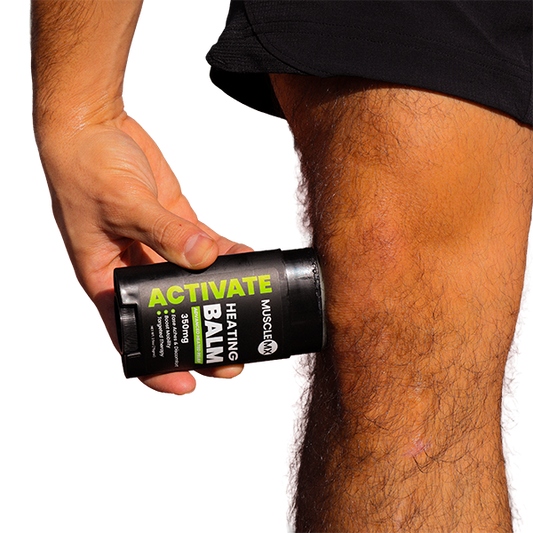
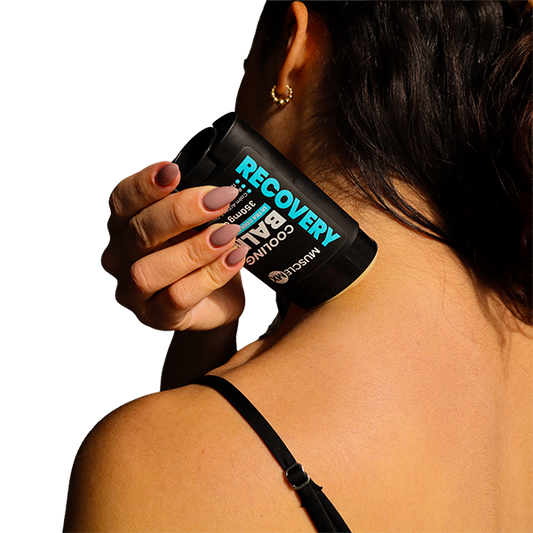
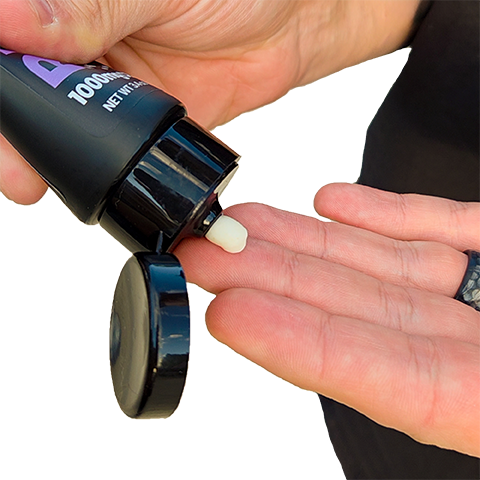
Where CBD balms can fit in (comfort support, not a shortcut)
Don’t ignore red flags
- Your knee gives out, locks, or can’t bear weight
- Swelling is severe or keeps returning
- Pain is worsening instead of improving week to week
- You suspect a Grade III sprain or another injury (meniscus/ACL)
Final Thoughts
Understanding your knee sprain and following the right recovery approach can make all the difference in how quickly and effectively you heal. Knowledge is power when it comes to managing your recovery, and you now have the tools to support your body's natural healing process.
Remember, every knee sprain is different, and your recovery timeline will depend on the severity of your injury and how well you follow the healing protocols. Patience truly is your greatest ally during this process. Your body knows how to heal — it just needs the right conditions and adequate time to do its work properly.
Rushing back to activities before your knee is ready can set you back weeks or even months. However, when you respect your body's healing timeline and follow the structured approach we've outlined, you're setting yourself up for a strong, complete recovery.
Your healing journey is uniquely yours, and listening to your body's signals will guide you through each phase of recovery. We're here to support you every step of the way as you work toward getting back to the activities you love, stronger and more resilient than before.
FAQ's About How to Heal a Sprained Knee Quickly
Q: How long does it typically take for a sprained knee to heal?
A: The healing time depends on the severity of your sprain. Grade I sprains usually heal within 1-3 weeks, Grade II sprains take 4-6 weeks, and Grade III sprains may require 3 months or longer. Complete ligament tears sometimes need surgical intervention, which can extend the recovery timeline considerably.
Q: What are the different grades of knee sprains?
A: Knee sprains are classified into three grades based on severity. Grade I involves mild ligament stretching with microscopic tears, maintaining joint stability. Grade II represents partial ligament tears with noticeable swelling and compromised stability. Grade III involves complete ligament rupture, causing severe instability and often requiring medical evaluation.
Q: What factors can affect how quickly my knee sprain heals?
A: Several factors influence healing speed, including your age (younger individuals typically heal faster), overall health status, previous knee injuries, adherence to treatment protocols, nutrition quality, and sleep patterns. Conditions affecting circulation or immune function can slow the healing process, while proper protein intake and hydration support tissue repair.
Q: Can I speed up my knee sprain recovery?
A: While you cannot force your body to heal faster than its natural pace, you can optimize recovery by following proper rest guidelines, performing prescribed exercises, maintaining good nutrition with adequate protein, staying hydrated, getting quality sleep, and avoiding premature return to activities. Rushing the timeline risks re-injury and actually extends overall recovery time.
Q: What happens if I return to activities too soon after a knee sprain?
A: Returning to activity before your knee has fully healed risks re-injury and can significantly extend your overall recovery time. Premature activity can cause additional ligament damage, create scar tissue complications, and lead to chronic instability. Following the structured recovery phases ensures you regain full strength and prevents future complications.
References
-
Topical Cannabidiol (CBD) After Total Knee Arthroplasty Does Not Decrease Pain or Opioid Use (RCT)
https://www.arthroplastyjournal.org/article/S0883-5403(22)00383-7/abstract -
Randomized Controlled Trial of Topical Cannabidiol for Thumb Basal Joint Arthritis (RCT)
https://www.jhandsurg.org/article/S0363-5023(22)00133-2/abstract -
Cannabidiol (CBD): A Systematic Review of Clinical and Preclinical Evidence (review; includes pain/inflammation discussion)
https://pmc.ncbi.nlm.nih.gov/articles/PMC11597428/ -
AHRQ: Living Systematic Review on Cannabis and Other Plant-Based Treatments for Chronic Pain (evidence overview)
https://effectivehealthcare.ahrq.gov/sites/default/files/related_files/cer-250-cannabis-2025-surv-rep-update-executive-sum.pdf -
Effect of Topical Hemp (Cannabis sativa) Seed Oil on Knee Osteoarthritis (RCT; topical cannabis-adjacent evidence for knee pain/function)
https://www.painmanagementnursing.org/article/S1524-9042(24)00229-7/abstract