Arthropathy: Meaning, Symptoms, Causes, and Treatment
Key takeaways
- Arthropathy is a broad term for joint disease; the type matters for treatment.
- Inflammatory arthropathy and degenerative arthropathy often feel different and are managed differently.
- Common arthropathy symptoms include pain, stiffness, swelling, and reduced range of motion.
- Arthropathy diagnosis usually combines history, exam, imaging, and sometimes labs.
- A cooling balm or CBD lotion may support temporary relief and help you stay consistent with movement.
Arthropathy is a broad medical term that simply means “a disease or problem affecting a joint.” If you’ve been told you have arthropathy—or you’re seeing it on an imaging report—it can feel vague and a little intimidating. You’re not alone in that reaction.
The helpful part is this: once you understand the type of arthropathy, what’s driving it, and what your joints respond to (movement, rest, cold, heat, medication, topical support), you can usually build a plan that makes day-to-day life more comfortable.
Below, you’ll learn the arthropathy meaning, common arthropathy symptoms, arthropathy causes, how arthropathy diagnosis works, and realistic arthropathy treatment options—including where a cooling balm or CBD lotion may fit as supportive, topical relief.
Arthropathy meaning (in plain English)
What is arthropathy?
What is arthropathy? It’s an umbrella term for joint conditions that can involve:
- Inflammation in or around the joint
- Wear-and-tear changes in cartilage
- Changes to bone, tendons, ligaments, or joint lining
- Pain, stiffness, swelling, or reduced range of motion
Think of “arthropathy” as a category label—not a single diagnosis. Your next step is figuring out which kind you’re dealing with.
Arthropathy vs arthritis: what’s the difference?
Arthropathy vs arthritis can be confusing because people use them interchangeably.
- Arthritis typically means inflammation of a joint (for example, rheumatoid arthritis).
- Arthropathy is broader and can include arthritis, but also includes joint problems that aren’t primarily inflammatory.
If your report says “degenerative arthropathy,” for example, that often points toward wear-and-tear changes similar to osteoarthritis.
If you want to compare joint pain terms that often get mixed up, these may help:
- Tendon pain vs joint pain: https://musclemx.com/blogs/blog/tendonitis-vs-arthritis
- Joint pain (arthralgia) vs arthritis: https://musclemx.com/blogs/blog/arthralgia-vs-arthritis
Types of arthropathy
There are many types of arthropathy, and the right treatment depends on which one is present.
Inflammatory arthropathy
Inflammatory arthropathy is driven by immune activity and inflammation. It often includes:
- Rheumatoid arthritis
- Psoriatic arthritis
- Ankylosing spondylitis
Clues can include morning stiffness that lasts longer, warmth/swelling, and symptoms that come in flares.
Degenerative arthropathy
Degenerative arthropathy is often related to joint wear-and-tear over time (commonly associated with osteoarthritis). It may show up as:
- Stiffness after sitting
- Pain with activity that improves with rest
- Reduced joint space or bone spurs on imaging
Other types (infectious, crystal-related, neuropathic)
Other categories include:
- Crystal-related (like gout)
- Infectious (joint infection—urgent)
- Neuropathic (Charcot joint, often linked with nerve damage)
Because the causes vary so much, it’s worth getting a clear diagnosis instead of guessing.

Arthropathy symptoms to watch for
Common arthropathy symptoms include:
- Joint pain (sharp, achy, or burning)
- Stiffness (especially after rest)
- Swelling or puffiness
- Warmth or redness
- Reduced range of motion
- Clicking, grinding, or “catching” sensations
- Weakness around the joint due to guarding or disuse
When symptoms are a red flag
Get medical care quickly if you have:
- Sudden severe swelling, redness, and heat
- Fever or feeling ill with joint pain
- Inability to bear weight
- A hot, very tender joint after an injury
Those can signal infection or a serious inflammatory flare.
Arthropathy causes (why joints get irritated or damaged)
Arthropathy causes depend on the type, but common drivers include:
- Age and repetitive load (degenerative changes)
- Past injuries (sprains, fractures, meniscus tears)
- Autoimmune activity (inflammatory arthropathies)
- Metabolic factors (like uric acid in gout)
- Genetics and family history
- Body weight and muscle strength (affects joint loading)
If you’re wondering about the family-history piece, this is a useful read: https://musclemx.com/blogs/blog/is-arthritis-hereditary
Arthropathy diagnosis: what to expect at the doctor
Arthropathy diagnosis usually combines:
- Your symptom story (when it started, what worsens/helps)
- Physical exam (swelling, tenderness, stability, range of motion)
- Imaging (X-ray, MRI, ultrasound)
- Labs (especially when inflammatory arthropathy is suspected)
A helpful question to ask is: “Do you think this is inflammatory, degenerative, or something else?” That one distinction often clarifies the next steps.
Arthropathy treatment options (medical + lifestyle)
Arthropathy treatment is usually a mix of medical care and daily habits.
Medical treatments
Depending on the cause, your clinician may recommend:
- Anti-inflammatory medications (as appropriate)
- Physical therapy
- Injections (in some cases)
- Disease-modifying medications for inflammatory arthropathy
- Surgery for advanced structural problems
Movement, strength, and recovery habits
For many people, the most sustainable relief comes from a simple foundation:
- Gentle range-of-motion work daily
- Strength training to support the joint (often hips/core for knees and back)
- Short movement breaks if you sit a lot
- Sleep and stress support (inflammation and pain sensitivity are connected)
If your pain comes in waves, this can help you identify patterns: https://musclemx.com/blogs/blog/what-causes-arthritis-flare-ups
Heat vs cold: when each helps
- Cold is often helpful when a joint feels hot, swollen, or “angry.”
- Heat is often helpful when a joint feels stiff and tight, especially before movement.
Your body’s response matters most—if one consistently helps, that’s useful data.

Can a cooling balm or CBD lotion help with arthropathy pain?
Topicals won’t “cure” arthropathy, but they can be a practical part of your comfort plan—especially when you want targeted relief without feeling like you have to overhaul your whole day.
What topical relief can (and can’t) do
A cooling balm or CBD lotion may help support:
- Temporary pain relief
- A soothing sensation that makes movement easier
- A consistent routine (which often improves follow-through with mobility work)
What it typically can’t do is treat the underlying cause (like autoimmune inflammation or structural damage). That’s where diagnosis and a full plan matter.
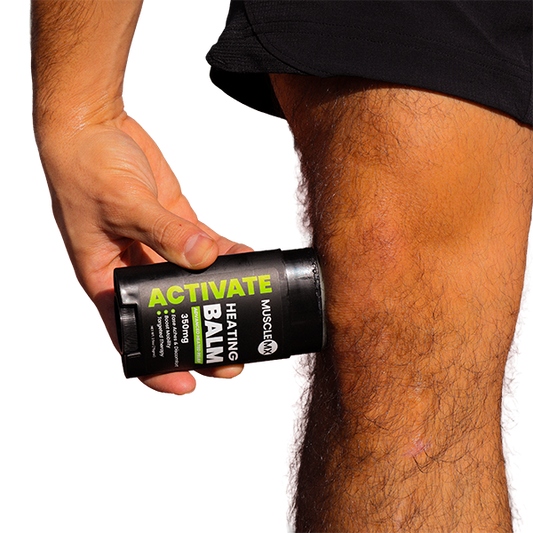
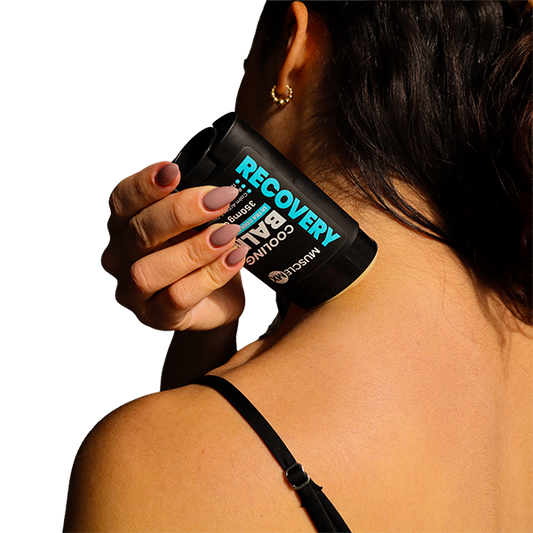
How to use a cooling balm for joint comfort
Try this simple approach:
- Apply a small amount to clean, dry skin around the joint.
- Give it a few minutes before you judge the effect.
- Pair it with 3–5 minutes of gentle movement (circles, bends, light stretching).
Cooling can be especially useful after activity, at the end of the day, or during a flare-like moment when the area feels irritated.
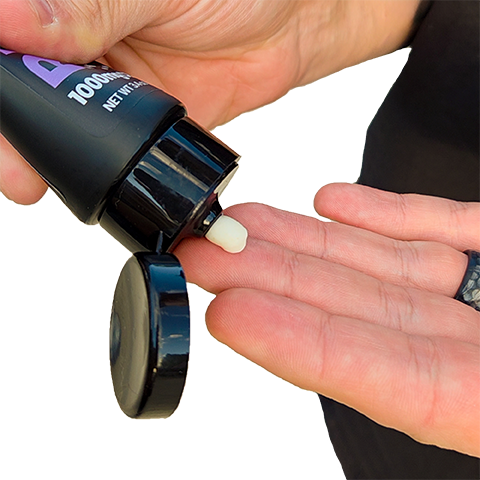
How to use CBD lotion in a simple routine
If you’re exploring CBD lotion, look for products that prioritize quality and transparency. For example, Muscle MX focuses on topical-first formulas and publishes third-party testing (COAs) so you can make a more informed choice.
A practical routine:
- Morning: light mobility + topical support on “problem joints”
- After activity: cooling balm + hydration + gentle stretch
- Evening: lotion for daily comfort and skin barrier support
If you’re shopping specifically for older joints, this guide may help: https://musclemx.com/blogs/blog/cbd-for-joint-pain-in-seniors
FAQ's About Arthropathy
Q: Is arthropathy the same as arthritis?
A: Not exactly. Arthritis is inflammation of a joint, while arthropathy is a broader term that can include arthritis and other joint problems.
Q: What are the most common arthropathy symptoms?
A: Pain, stiffness, swelling, warmth, and reduced range of motion are common. Symptoms vary based on the cause.
Q: What causes arthropathy?
A: Causes range from wear-and-tear and past injuries to autoimmune inflammation, metabolic issues (like gout), and genetics.
Q: How is arthropathy diagnosed?
A: Diagnosis often includes a physical exam, imaging (like X-ray or MRI), and sometimes bloodwork to check for inflammatory conditions.
Q: Can CBD lotion help arthropathy pain?
A: It may help support temporary comfort for some people. It’s best used as part of a broader plan that includes diagnosis, movement, and clinician guidance.
Q: Should you use heat or cold for arthropathy?
A: Cold often helps when a joint feels hot or swollen; heat often helps when it’s stiff. Your response is the best guide.
References:
-
CDC — Arthritis basics and symptoms: https://www.cdc.gov/arthritis/
-
NIAMS — Arthritis and rheumatic diseases: https://www.niams.nih.gov/health-topics/arthritis
-
Mayo Clinic — Arthritis overview: https://www.mayoclinic.org/diseases-conditions/arthritis/symptoms-causes/syc-20350772
-
Cleveland Clinic — Arthropathy / joint disorders (searchable resource hub): https://my.clevelandclinic.org/
-
MedlinePlus — Joint disorders and arthritis: https://medlineplus.gov/arthritis.html