How to Get Instant Upper Back Pain Relief: A Physical Therapist's Guide
Key Takeaways
These physical therapist-approved techniques can help you find immediate relief and prevent future upper back pain episodes:
- Try instant relief techniques: Shoulder blade squeezes, child's pose, and wall push-ups provide immediate comfort without medication or equipment.
- Build long-term strength: Daily resistance band exercises and targeted stretches address root causes by strengthening supporting muscles and improving mobility.
- Prevent future pain with proper posture: Take breaks every 30-45 minutes, position your monitor at eye level, and maintain ergonomic workspace setup.
- Know when to seek help: Contact a healthcare provider if pain persists beyond one week, includes numbness, or comes with fever or muscle weakness.
- Address the root cause: Most upper back pain stems from poor posture, muscle strain, or overuse—making prevention more effective than treatment after pain develops.
Remember that consistency is key to success. Start with simple techniques and gradually build your routine, listening to your body's signals throughout the process. Combining immediate relief methods with long-term strengthening creates the most effective approach to overcoming upper back pain.
Introduction
Upper back pain — it's that stubborn discomfort that settles right between your shoulder blades and refuses to budge. While it may not grab headlines like lower back or neck pain, this particular type of discomfort can seriously impact your daily routine and sometimes signal more serious underlying issues.
Your upper back pain could stem from various sources. The most common culprits include muscle strain, overuse, and that familiar enemy of desk workers everywhere — poor posture. However, the discomfort you're feeling might actually originate from your spine, back muscles, shoulder blades, or even conditions affecting internal organs. The good news? Exercise frequently provides effective relief and can help prevent future episodes.
Understanding what's causing your discomfort is the first step toward finding solutions that actually work. Whether you're dealing with a dull ache that's been nagging you for weeks or sharp pain that appeared suddenly, there are proven techniques that can help you find both immediate and lasting relief.
Remember, your wellness journey is uniquely yours, and we're here to support you every step of the way. Throughout this guide, we'll share professional insights on effective relief methods you can start using today. If you're beginning an exercise program due to ongoing pain or after an injury, it's important to consult with a healthcare professional about activities that are safe for you.
Let's learn more about proven strategies that can help you overcome upper back pain and get back to living comfortably.
Understanding Upper Back Pain
The thoracic spine — that often-overlooked area between your neck and waist — doesn't get nearly as much attention as it deserves. Yet when pain strikes this region, it can seriously disrupt your quality of life. Understanding what's actually happening when discomfort settles in is your first step toward finding effective relief.
Why does my upper back hurt?
Have you ever wondered what's actually causing that persistent ache? Most upper back pain comes down to two main culprits: muscular irritation (also called myofascial pain) and joint dysfunction. Your shoulder blades connect to your rib cage through large muscle groups that can become irritated from various daily activities.
Upper back pain typically develops from several common sources:
- Poor posture, especially those long hours hunched over computers
- Muscle strain or overuse from repetitive movements • Traumatic injuries like car accidents or sports-related incidents
- Stress, which creates tension throughout your neck and shoulder muscles
- Underlying health conditions such as osteoarthritis, osteoporosis, or scoliosis
Here's something important to remember: unlike your flexible neck and lower back, the thoracic spine serves primarily as a structural support system. This makes it less mobile but still susceptible to pain.
Common symptoms to watch for
Upper back pain shows up differently depending on what's causing it. You might notice:
- Sharp, knife-like or burning sensations concentrated in one spot
- Dull aching or throbbing that spreads to surrounding areas
- Stiffness that restricts your movement and mobility
- Radiating pain that travels along nerve pathways into your arm or chest
- Tingling, numbness, or weakness that extends from your spine
The timing of your pain onset can vary significantly. Sometimes it appears suddenly after an injury, other times it's delayed — showing up hours after an incident. You might also experience gradual onset, where mild discomfort slowly worsens over time.
Upper back pain between shoulder blades
Interscapular pain — that specific discomfort right between your shoulder blades — requires special attention. This particular complaint can range anywhere from a dull, persistent ache to sharp, stabbing sensations.
Those endless hours spent hunched over computers or scrolling through phones often contribute to this type of discomfort. However, pain in this area might occasionally indicate issues that go beyond simple muscle strain, potentially involving internal organs like your heart, lungs, or esophagus.
Contact a healthcare professional right away if your upper back pain comes with balance problems, difficulty controlling bladder or bowel function, numbness, trouble breathing, or persists for more than a week.
Instant Relief Techniques You Can Try Now

When that familiar ache settles between your shoulder blades, finding quick relief becomes your main focus. These four professional techniques can provide immediate comfort without requiring medication or special equipment.
1. Shoulder Blade Squeeze
This straightforward movement targets the muscles that support your spine. Here's how to perform it correctly:
Sit or stand with your back straight and arms relaxed at your sides. Imagine you're trying to hold a pencil between your shoulder blades as you pull them together. Hold this position for 5-6 seconds, then slowly release. Repeat this movement 8-12 times, twice daily for the best results.
This exercise engages your rhomboid muscles, which tend to weaken when you spend long hours sitting. Regular practice can help improve your posture and reduce the likelihood of future discomfort.
2. Child's Pose Stretch
This gentle position opens your upper back while encouraging relaxation throughout your body.
Start on your hands and knees with your knees about hip-width apart. Slowly sit back toward your heels while extending your arms forward along the floor. Lower your forehead to rest on the ground, allowing your chest to sink gently between your thighs. Focus on taking deep, steady breaths while holding this position for at least 15 seconds.
This stretch creates space between your vertebrae and helps lengthen your spine, providing relief from compression and tension.
3. Wall Push-Up for Posture Reset
Wall push-ups help reset your posture while strengthening the muscles that support proper alignment.
Stand facing a wall with your feet together. Place your palms flat against the wall at chest height, positioning them shoulder-width apart. Keep your chest lifted as you bend your elbows, bringing your nose toward the wall. At the bottom of the movement, focus on squeezing your shoulder blades together. Push back to the starting position with straight arms.
Maintain proper form throughout the exercise, keeping your back and neck aligned. Try completing 3 sets of 10 repetitions.
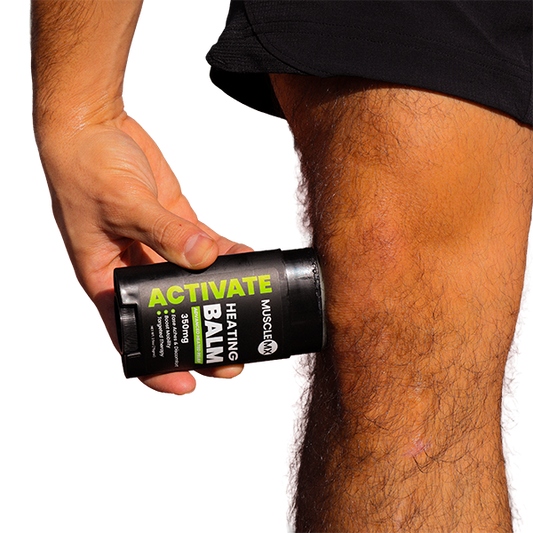
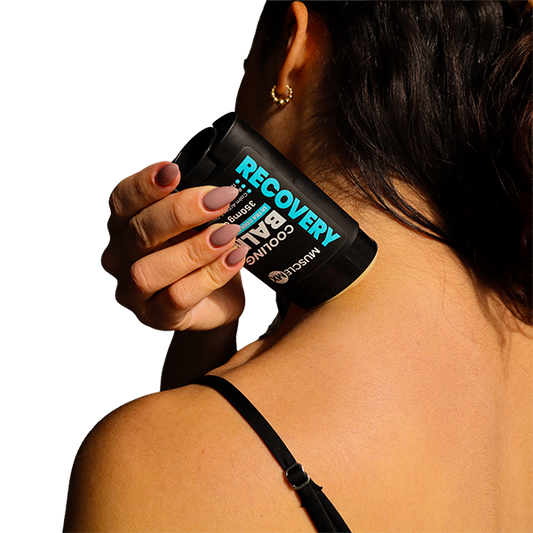
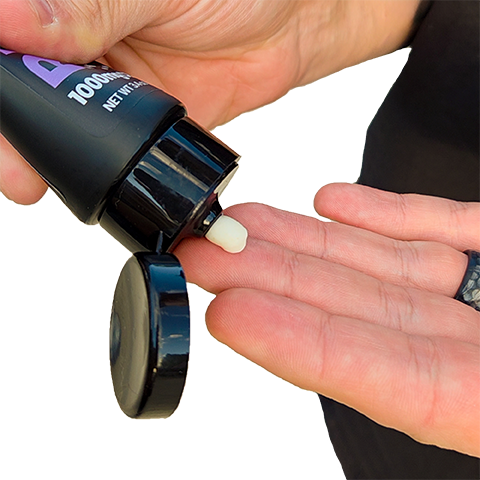
4. Try CBD Balm for Muscle Tension
Topical CBD products can help soothe muscle tension in your upper back area.
Apply CBD cream or balm directly to the painful areas between your shoulder blades. Many of these products include additional soothing ingredients like menthol, peppermint, or arnica that create cooling sensations to help ease discomfort.
CBD works by interacting with receptors in your skin and muscles, potentially helping to reduce tension without affecting other parts of your body. Because cannabinoid receptors exist around your back muscles, applying CBD directly to the area can help support relief right where you need it most.
Remember, these immediate relief techniques work best when combined with strengthening exercises and good posture habits. For ongoing discomfort, using multiple approaches together often provides the most effective results.
What Are Some Strengthening and Stretching Options for Long-Term Relief?
Creating a solid foundation of strength in your back muscles is essential for lasting relief. Rather than simply managing symptoms as they arise, consistent exercise targets the underlying causes of your discomfort.
Upper Back Pain Exercises to Build Support
Your shoulder blade squeeze exercise serves as the foundation for upper back strength. Whether you're sitting or standing, draw your shoulder blades together and hold for 5 seconds before releasing. Aim for 8-12 repetitions to activate those rhomboid muscles that tend to weaken when you spend long hours at a desk.
Bent-over rows work multiple back muscles at once, making them particularly effective. Stand with your feet hip-width apart and bend forward at the hips while holding weights. Pull your elbows back along your ribs, focusing on squeezing your shoulder blades together. Three sets of 8-10 repetitions can help build the strength you need.
Wall angels offer another excellent option for posture improvement. Stand with your back against a wall and position your arms in a "T" shape. Move your arms up and down slowly while keeping contact with the wall throughout the entire movement.
Stretches You Can Incorporate Into Your Daily Routine
The lower neck and rhomboid stretch provides immediate tension relief when you need it most. Sitting or standing, clasp your hands in front of you at shoulder height. Drop your chin toward your chest while reaching forward to create a gentle rounded position in your upper back. Hold this stretch for 15-30 seconds.
Thread the needle targets rotational mobility in a unique way. Start on all fours, then slide one arm under your body toward the opposite side, allowing your head to rest comfortably on the floor. Hold briefly before switching to the other side.
Cat-cow stretches help mobilize your entire spine. From your hands and knees position, alternate between arching your back upward and gently dipping it down while lifting your head.
How Resistance Bands Can Support Your Relief Journey
Resistance bands provide effective strengthening options without requiring a gym membership or bulky equipment. The resisted row specifically strengthens your latissimus dorsi and trapezius muscles. Anchor the band at waist level, then pull the ends back while focusing on squeezing your shoulder blades together.
Face pulls target your upper back and posterior shoulders with precision. Anchor the band at eye level and pull toward your face with your elbows high and shoulders retracting.
Understanding the benefits of resistance band training is important — these exercises promote blood flow to injured tissues, making them particularly valuable for rehabilitation. Research shows that band exercises can be more effective than traditional approaches for treating back pain, especially when you perform them consistently over time.
Remember, building strength takes time and patience. Start with exercises that feel comfortable and gradually progress as your strength improves.
What Are Some Ways to Prevent Future Upper Back Pain?
Prevention is your most powerful tool against recurring upper back discomfort. Rather than waiting for pain to strike again, building healthy habits now can help keep that nagging ache from settling between your shoulder blades in the first place.
Posture Tips for Desk Workers
Your workspace setup plays a huge role in upper back health. Start with your chair — adjust the height so your feet rest flat on the floor with your thighs parallel to the ground. Position the armrests to keep your shoulders relaxed, not hunched up toward your ears. If your chair doesn't provide adequate lumbar support, a small cushion behind your lower back can make a significant difference.
Monitor placement matters just as much. Position your computer screen directly in front of you, about an arm's length away. The top of the screen should align with or sit slightly below eye level. This simple adjustment can prevent the forward head posture that often leads to upper back tension.
How to Move and Sit to Avoid Strain
Movement throughout the day prevents tension from building up in your upper back muscles. Take brief standing breaks every 30-45 minutes — even just a minute or two can help. During these breaks, perform some gentle stretches or walk around briefly. Regular physical activity outside of work hours also helps maintain back health and flexibility.
When you need to lift objects, remember to bend at your knees rather than your waist, and keep items close to your body. Avoid twisting while lifting, as this combination places excessive strain on your spine.
When Should You Seek Medical Attention for Upper Back Pain?
While many cases of upper back discomfort can be managed with the techniques we've discussed, certain symptoms require prompt medical attention. Contact a healthcare provider immediately if your upper back pain:
- Persists beyond one week
- Includes numbness or tingling in your arms or legs
- Comes with fever or unexplained weight loss
- Causes muscle weakness in your limbs
- Disrupts bladder or bowel control
Seek emergency care right away for symptoms that might indicate heart problems, such as chest pain accompanying your back discomfort. Remember, early intervention often prevents minor issues from developing into chronic conditions that are much harder to manage.
Understanding when to seek help is just as important as knowing how to manage your discomfort at home. Trust your instincts — if something doesn't feel right, it's always better to have it checked out by a professional.
Final Thoughts
Upper back discomfort can feel overwhelming when it's affecting your daily activities, but the solutions are within your reach. Whether you're dealing with tension from long hours at your desk or pain that appeared after an injury, the techniques we've explored can make a real difference in how you feel and move.
The beauty of these relief methods lies in their simplicity. You don't need expensive equipment or complicated routines to start feeling better. Simple shoulder blade squeezes, gentle stretches, and proper posture adjustments can provide the foundation for lasting comfort. When combined with consistent strengthening exercises, these approaches address both immediate discomfort and the underlying causes that might be contributing to your pain.
Prevention truly is your best ally. Small changes in how you set up your workspace, regular movement breaks, and mindful body mechanics during daily tasks can help you avoid future episodes. However, it's equally important to recognize when professional guidance is needed and to seek medical attention for persistent or concerning symptoms.
Your path to relief starts with the first step you take today. Begin with the techniques that feel most manageable, and gradually build your routine as your confidence and strength grow. Listen to your body's signals and adjust your approach as needed.
We invite you to explore our full range of CBD wellness products at Muscle MX. Our topical balms are designed to work with your body's own systems, supporting balance and comfort where you need it most. Your wellness journey is uniquely yours, and we're here to support you every step of the way.
FAQ's About Upper Back Pain
Q: What are some quick relief techniques for upper back pain?
A: Some immediate relief techniques include shoulder blade squeezes, child's pose stretches, wall push-ups, and applying CBD balm or lotion to the affected area. These can help alleviate discomfort without medication or special equipment.
Q: How can I strengthen my upper back to prevent pain?
A: Regular exercises like bent-over rows, wall angels, and resistance band exercises such as resisted rows and face pulls can help build strength in the upper back muscles. Consistent practice of these exercises can provide long-term relief and prevention of pain.
Q: When should I seek medical attention for upper back pain?
A: You should consult a healthcare provider if your upper back pain persists beyond one week, is accompanied by numbness or tingling in your arms or legs, causes muscle weakness, or disrupts bladder or bowel control. Immediate medical attention is necessary if you experience chest pain along with back discomfort.
Q: How can desk workers improve their posture to avoid upper back pain?
A: Desk workers can improve posture by adjusting their chair height so feet rest flat on the floor, positioning the computer screen at eye level, and using proper lumbar support. Taking regular breaks to stand and stretch every 30-45 minutes is also crucial for preventing tension buildup.
Q: What are common causes of upper back pain?
A: Common causes of upper back pain include poor posture (especially from prolonged computer use), muscle strain or overuse from repetitive movements, stress-induced tension in neck and shoulder muscles, and sometimes underlying health conditions like osteoarthritis or scoliosis.
References
https://my.clevelandclinic.org/health/symptoms/22866-upper-back-pain
https://www.mayoclinic.org/healthy-lifestyle/adult-health/in-depth/back-pain/art-20546859
https://myhealth.alberta.ca/Health/aftercareinformation/pages/conditions.aspx?hwid=zp4447
https://www.thepaincenter.com/blog/most-common-causes-of-upper-back-pain/
https://www.spine-health.com/conditions/upper-back-pain/upper-back-pain-symptoms
https://floridasurgeryconsultants.com/14-causes-of-upper-back-pain/
https://www.medicalnewstoday.com/articles/upper-back-pain-between-shoulder-blades
https://www.bupa.co.uk/health-information/muscles-bones-joints/upper-back-pain
https://andrewsinstitutesc.com/upper-back-pain-relief/
https://novusspinecenter.com/pain-conditions/upper-back-pain