

Anti-Inflammatory Cream
Anti-inflammatory cream for targeted comfort, daily mobility, and fast-absorbing support. A simple option for muscle and joint relief.
-

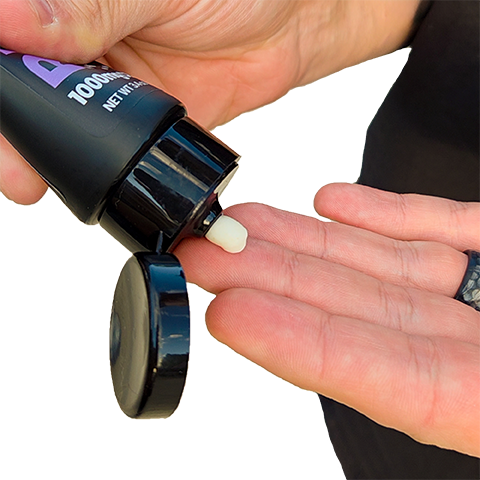 Vendor:Muscle MX
Restore CBD Lotion
Regular price From $19.99 USDSale price From $19.99 USD Regular priceitem / per


Free Shipping
For orders over $75

Money Guarantee
30 day money back

Online Support
24 hours per day

Flexible Payment
Options Available
Anti-Inflammatory Cream: What Actually Works for Pain Relief?
Key Takeaways
Understanding which anti-inflammatory creams actually work can help you make informed decisions for effective, targeted pain relief with minimal side effects.
• Topical anti-inflammatory creams deliver 90% less systemic exposure than oral medications while providing similar pain relief effectiveness
• Diclofenac (Voltaren) is the most proven option, with 60% of patients achieving 50% pain reduction for arthritis and joint conditions
• Different active ingredients target specific pain types: capsaicin for nerve pain, menthol for immediate relief, hydrocortisone for skin inflammation
• These creams work best on superficial joints like hands, knees, and elbows where medication can penetrate effectively to inflamed tissues
• Safe usage requires limiting treatment to 1-2 weeks, applying 2-4 times daily, and avoiding broken skin or heat application
When used properly, topical anti-inflammatory creams provide a safer alternative to oral NSAIDs while delivering concentrated relief directly where you need it most.
Introduction
Pain relief that doesn't come with a laundry list of side effects — it sounds too good to be true, doesn't it? Anti-inflammatory cream might just be the solution you've been looking for. Here's something that might surprise you: 60% of patients experienced 50% relief with topical NSAIDs. What's even better? Topical anti-inflammatories reduce your body's exposure by almost 90% compared to oral medications. You get targeted pain relief right where you need it, with minimal risk of those unwanted side effects.
Your daily comfort matters, whether you're dealing with arthritis that makes opening jars a challenge, muscle soreness after a weekend project, or joint pain that just won't quit. Finding the right anti-inflammatory cream can truly make a difference in how you feel each day.
Let's learn more about how these topical treatments work, which over-the-counter options actually deliver results — including diclofenac and CBD cream — and how to use them safely for the best possible relief.
How Anti-Inflammatory Creams Work
Understanding how these topical treatments actually work can help you make better choices for your specific pain needs. Anti-inflammatory creams deliver medication directly through your skin to reach the painful joints and tissues underneath. Think of it as targeted delivery — the active ingredients travel through your skin's layers to get right where the problem is.
Active Ingredients That Reduce Pain
The way your cream relieves pain depends entirely on what's inside the tube. Diclofenac functions as a COX-2 inhibitor, blocking the specific enzyme that triggers pain and inflammation. This process stops prostaglandin production, which plays a central role in creating peripheral inflammatory pain. It's like turning off a switch that controls your body's pain signals.
Capsaicin takes a completely different route. This natural compound from chili peppers first activates heat sensations in your skin, then actually desensitizes nerve pain over time. It might sound counterintuitive, but this initial warming sensation leads to longer-term relief.
Menthol works through yet another pathway. It creates those immediate cooling sensations you feel and increases blood flow to the area where you apply it. The relief happens quickly, which is why menthol-based products feel so soothing right away.
NSAIDs work by reversibly inhibiting cyclooxygenase, the enzyme responsible for producing prostaglandins and thromboxane A2. Since prostaglandins are key players in both inflammatory and pain processes, stopping their production tackles both symptoms at once.
How Topical Creams Absorb Into Tissues
Your skin isn't just going to let anything pass through — it's actually quite selective. For anti-inflammatory cream to work effectively, the active ingredients need to penetrate through the outer layer and reach those deeper tissues where inflammation is happening. The molecules that work best are smaller than 500 Daltons and have lipophilic (fat-loving) properties that help them move through your skin.
Here's what's fascinating: after you apply topical anti-inflammatory cream, the drug concentration in blood serum reaches only 5-15% of what oral medications achieve. But here's the real benefit — the concentration in joint cartilage and meniscus actually reaches 4-7 times higher compared to oral administration. In tendons and bursae, it's several dozen times higher.
Remember, formulation makes a significant difference. Gels and sprays generally penetrate better than creams. Even products with the same active ingredient can work very differently because of the other ingredients and absorption enhancers used.
The Difference Between Topical and Oral NSAIDs
Oral NSAIDs travel throughout your entire body after entering your bloodstream. Topical NSAIDs, on the other hand, target the damaged tissue locally while keeping systemic exposure to a minimum.
The numbers tell the story: plasma concentrations from topical application are usually much less than 5% of levels found after oral administration. This dramatic reduction means you're far less likely to experience those unwanted gastrointestinal and cardiovascular risks. Studies show that topical and oral NSAIDs work similarly well for treating both acute and chronic injuries. The key difference lies in the side effects — gastrointestinal issues occur more frequently with oral NSAIDs, while local skin reactions happen more often with topical versions.
From a clinical standpoint, the number needed to treat (NNT) for topically administered NSAIDs is 3.9 for acute pain and 3.1 for chronic pain.
Best Anti-Inflammatory Cream Options That Work
When it comes to choosing the right anti-inflammatory cream, your specific pain condition makes all the difference. Understanding which ingredients target which types of discomfort helps you make a more informed choice.
Menthol-Based Creams for Immediate Relief
When you need quick comfort, menthol delivers that familiar cooling sensation most of us recognize. These products contain concentrations ranging from 5% to 16%. Apply to affected skin areas not more than four times daily. Menthol works by creating immediate cooling sensations and reducing pain through counterirritant effects, first stimulating then desensitizing nociceptors.
Hydrocortisone for Skin Inflammation
Remember that hydrocortisone targets a different type of problem altogether. It treats redness, itching, and swelling caused by skin conditions rather than deep tissue pain. Apply to affected areas two or three times per day. Important note: do not use on your skin for more than 7 days unless directed by a doctor.
CBD Cream and Lotion Options
CBD topicals are gaining popularity for a reason—they offer a soothing, skin-friendly way to support comfort and wellness. While research is still growing, some studies and preclinical evidence suggest CBD may help calm inflammation and support overall skin and joint health. Its gentle, topical application makes it easy to target specific areas, and pairing the right ingredients with your unique needs can enhance comfort and make daily movement more enjoyable.
The key is matching the right ingredient to your specific type of discomfort for the most effective results.
What Conditions Respond Best to Topical Anti-Inflammatory Cream
Understanding which pain conditions work best with topical treatments can help you set realistic expectations and choose the right approach for your specific situation. Your results depend largely on where the pain originates and how close the affected area sits to your skin's surface.
Arthritis and Joint Pain
Osteoarthritis and rheumatoid arthritis respond well when inflammation occurs in superficial joints. You'll get the best results applying anti inflammatory cream to hands, knees, elbows, and ankles. These joints sit close enough to your skin for the medication to penetrate effectively. For diclofenac and ketoprofen gels treating painful sprains and muscle pulls, 7 or 8 people out of 10 experienced significantly reduced pain after seven days, compared to only 2 or 3 out of 10 with placebo.
Remember, topical NSAIDs work best for people with only a few painful joints. If you apply the cream to several joints simultaneously, you may exceed recommended dosages and increase side effect risks.
Muscle Soreness and Strains
Acute conditions like sprains, strains, and muscle soreness respond particularly well to topical anti inflammatory cream. Studies involving over 8,000 participants confirmed effectiveness for musculoskeletal pain. The American College of Rheumatology recommends topical NSAIDs as first-line treatment for knee osteoarthritis pain.
Tendonitis and Overuse Injuries
Tendonitis benefits from topical treatments, especially in mild cases. The medication reduces pain and swelling while improving mobility when combined with rest and exercise.
Skin Conditions and Irritation
Anti inflammatory skin cream treats eczema, psoriasis, dermatitis, and contact dermatitis. For atopic dermatitis patients with mild to moderate lesions, specialized formulations significantly reduced itching intensity (p = 0.011). Topical corticosteroids remain first-line treatments for reducing acute inflammatory symptoms, though they're generally not recommended for long-term daily use.
How to Use Anti-Inflammatory Cream Safely
Getting the most from your anti-inflammatory cream comes down to proper technique and knowing the safety guidelines. Remember, these simple steps can make the difference between effective relief and potential problems.
Start with clean, dry skin before applying any anti-inflammatory cream. This isn't just about cleanliness — it helps the medication absorb properly. Always apply only to intact skin, never to open wounds, broken skin, or areas with rashes. For diclofenac gel specifically, use the dosing card to measure 2 grams for hands, wrists, or elbows, and 4 grams for knees, ankles, or feet. Don't forget to wash your hands after application unless you're treating your hands.
Application Methods and Frequency
Most topical anti-inflammatory creams should be applied 2 to 4 times daily, depending on the specific product. Here's something important to remember: avoid covering treated areas with bandages or applying heat. Both practices increase absorption and can lead to burns. Wait at least 1 hour after application before showering or bathing.
Duration of Treatment
Think of anti-inflammatory creams as short-term solutions. Use them for 1 to 2 weeks maximum unless your healthcare provider tells you otherwise. If your pain persists beyond 7 days or doesn't improve after 21 days, it's time to stop and seek professional advice.
When to Avoid Topical NSAIDs
Certain situations require extra caution or complete avoidance. Don't use these creams if you've had open heart surgery. You should also avoid them if you have cardiovascular disease, kidney disease, or previous allergic reactions like asthma or hives. Adults over 65 face higher risks of adverse events. Pregnant women should limit use after 20 weeks and stop completely after 30 weeks.
Potential Side Effects and Skin Reactions
Most people tolerate these creams well, but side effects can occur. Approximately 1 in 20 people experience mild, temporary skin reactions. With topical diclofenac, 20 in 100 users report skin reactions compared to 5 in 100 with placebo. Your skin may also become more sensitive to sunlight during treatment.
Understanding these safety guidelines helps ensure you get the relief you need without unnecessary risks.
The Bottom Line
Anti-inflammatory creams can be game-changers for managing pain right where you need it most. You now have the knowledge to choose between diclofenac for joint discomfort, capsaicin for nerve-related issues, or menthol when you need quick cooling relief.
Remember, starting with FDA-approved options like Voltaren gives you the best chance for proven results. Safe usage is just as important as choosing the right product — stick to proper application guidelines and respect those duration limits.
Your path to better comfort doesn't have to involve systemic medications with their long list of potential side effects. With the right anti-inflammatory cream and smart usage practices, you can take control of your discomfort while supporting your overall health and well-being.
FAQ's About Anti-Inflammatory Cream
Q: How do anti-inflammatory creams work differently than oral pain medications?
A: Anti-inflammatory creams work by delivering medication directly through the skin to reach painful joints and tissues beneath the surface. Unlike oral medications that circulate throughout your entire body, topical creams provide targeted relief with approximately 90% less systemic exposure. The active ingredients penetrate the skin to reach concentrations in joints and tendons that are actually 4-7 times higher than oral medications, while blood serum levels remain only 5-15% of what oral drugs achieve. This localized approach means you get effective pain relief with significantly fewer gastrointestinal and cardiovascular side effects.
Q: Which anti-inflammatory cream is most effective for arthritis pain?
A: Diclofenac is the most proven and effective option for arthritis pain. It was the first topical NSAID approved by the FDA and is now available over-the-counter. Studies show that 60% of patients achieve 50% pain reduction, with users experiencing 47% improvement in pain relief and 45% increased mobility after 12 weeks of treatment. It works best on superficial joints like hands, knees, elbows, and ankles where the medication can effectively penetrate to reduce inflammation.
Q: How often should I apply anti-inflammatory cream and for how long?
A: Most anti-inflammatory creams should be applied 2 to 4 times daily depending on the specific product. For example, diclofenac gel is typically applied four times daily to affected areas. Treatment duration should be limited to 1-2 weeks maximum unless your healthcare provider recommends otherwise. If pain persists beyond 7 days or doesn't improve after 21 days, you should stop use and consult a doctor. Always apply to clean, dry, intact skin and avoid covering with bandages or applying heat.
Q: What types of pain conditions respond best to topical anti-inflammatory creams?
A: Topical anti-inflammatory creams work best for conditions affecting superficial joints and tissues close to the skin surface. They're most effective for osteoarthritis and rheumatoid arthritis in hands, knees, elbows, and ankles, as well as acute muscle soreness, sprains, and strains. Tendonitis and overuse injuries also respond well to topical treatments. The medication is less effective for deep tissue pain or when multiple joints need treatment simultaneously, as this may require exceeding recommended dosages.
Q: What are the common side effects of using anti-inflammatory creams?
A: The most common side effects are mild, temporary skin reactions that affect approximately 1 in 20 people. With diclofenac specifically, about 20 in 100 users experience skin reactions compared to only 5 in 100 with placebo. Your skin may also become more sensitive to sunlight during treatment. These topical formulations cause significantly fewer gastrointestinal and cardiovascular side effects compared to oral NSAIDs. However, you should avoid using them on broken skin, open wounds, or areas with rashes, and never cover treated areas with bandages or apply heat.
References
https://health.clevelandclinic.org/anti-inflammatory-cream
https://www.haleonhealthpartner.com/en-us/patient-care-resources/types-of-topical-pain-relief-creams/
https://www.bbc.com/future/article/20240306-what-can-you-absorb-through-your-skin
https://pubmed.ncbi.nlm.nih.gov/23703519/
https://www.mayoclinic.org/drugs-supplements/diclofenac-topical-application-route/description/drg-20063434
AS SEEN IN


