

Arnica Cream
Soothe, restore, and care for your body with the natural power of Arnica. Our topicals calm tired muscles and joints, helping you feel lighter, freer, and ready to move again. Restore Lotion takes it further—blending Arnica with other powerful ingredients to deeply nourish, relieve, and uplift, giving your body the comfort it deserves. Treat yourself to the relief and care that makes every day feel easier.
-

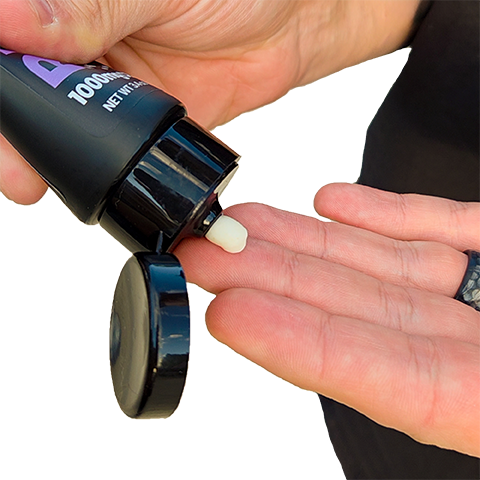 Vendor:Muscle MX
Restore CBD Lotion
Regular price From $19.99 USDSale price From $19.99 USD Regular priceitem / per


Free Shipping
For orders over $75

Money Guarantee
30 day money back

Online Support
24 hours per day

Flexible Payment
Options Available
Arnica Cream: What It Is and How to Use It Safely for Pain Relief
Pain affects more than 100 million people in the United States, and finding effective, natural relief can feel like an uphill battle. Have you ever wondered if there's a gentler alternative to reaching for another ibuprofen? Arnica cream, derived from a bright yellow mountain flower, has been gaining attention as a topical solution for managing discomfort. Research even suggests it may work as effectively as ibuprofen for certain conditions.
Here's what you should know about arnica cream and how to use it safely:
• Arnica cream performs comparably to ibuprofen for osteoarthritis pain — studies show similar pain relief scores after three weeks of consistent use.
• Apply the cream 3-4 times daily to clean, intact skin only — never use it on open wounds, cuts, or broken skin to prevent potential toxicity.
• Look for quality products containing 50g tincture per 100g gel for osteoarthritis relief or the equivalent of 10mg dried herb for muscle soreness from reputable EU/UK manufacturers.
• Skip arnica if you're allergic to ragweed, daisies, or chrysanthemums — also avoid during pregnancy, breastfeeding, or when taking blood-thinning medications.
• Discontinue immediately if any skin rash appears and stop using at least 2 weeks before scheduled surgery to prevent bleeding complications.
When used properly on unbroken skin, arnica cream can provide relief for muscle aches, bruising, and joint discomfort without the systemic side effects that come with oral pain medications.
What exactly is arnica cream used for, and can it really deliver the benefits many people claim? Let's learn more about this natural remedy, how it works, and the safest ways to use it for pain relief.
What Is Arnica Cream?
Understanding the Arnica Plant
Arnica is a bright yellow flower that belongs to the Asteraceae family — the same plant family that includes daisies and sunflowers. You'll find these cheerful blooms growing up to 2 feet tall in mountainous regions across Europe, particularly in the Pyrenees, northern Portugal, and the Alps. The stems have a soft, fuzzy texture, and the flowers bloom from June through August.
The species most commonly used in commercial products is Arnica montana. This particular variety has quite a history — people have been using it for healing since the Middle Ages, with the earliest known illustrations dating back to 1558. You might also hear arnica called by other names like mountain tobacco, leopard's bane, or wolf's bane.
Both Native American and European traditions recognized arnica's potential for treating wounds, sprains, and bruising. This long history of traditional use has sparked modern scientific interest in understanding exactly how this mountain flower works.
The Active Compounds Behind Arnica's Benefits
What makes arnica cream effective comes down to specific compounds found mainly in the flower heads. The primary active ingredients are called sesquiterpene lactones, and they make up 0.2% to 0.8% of the flower's content. The star player among these compounds is helenalin — this is what gives arnica its anti-inflammatory properties.
Here's where it gets interesting: helenalin works differently than common pain relievers like ibuprofen or aspirin. Instead of following the same pathways, it targets something called transcription factor NF-kappaB, which plays a key role in inflammatory processes throughout your body. This compound essentially prevents the release of substances that trigger inflammation.
Arnica also contains flavonoids, phenolic acids, and essential oils that work together to support the plant's therapeutic effects. Think of these as the supporting cast that helps helenalin do its job more effectively.
Why Choose Cream for Topical Application?
Arnica cream offers a smart way to harness the plant's benefits while avoiding potential problems. The German Commission E has given its stamp of approval to arnica as a topical agent, recognizing its analgesic, antibacterial, and anti-inflammatory properties.
The cream format delivers active ingredients directly to where you need them most — the affected area. Whether you're dealing with sore muscles after a workout or joint discomfort, applying arnica cream allows those beneficial compounds to work right at the source.
This targeted approach also sidesteps the safety concerns that come with taking arnica internally. Remember, helenalin can be toxic when consumed in large amounts, so topical application gives you the benefits without the risks. The cream base also provides moisturizing benefits while ensuring the active ingredients absorb properly into your skin.
What Are the Common Uses for Arnica Cream?
For centuries, people have relied on arnica cream to address various types of physical discomfort. Today, modern research is catching up with these traditional uses, helping us understand which applications truly deliver on their promises.
Osteoarthritis Pain Relief
Arnica gel shows real promise when it comes to managing osteoarthritis discomfort. A Cochrane review took a close look at how arnica extract gel stacks up against ibuprofen in osteoarthritis patients — and the results were quite impressive. After three weeks of treatment, people using arnica rated their pain at 40.4 on a 100-point scale, while those using ibuprofen rated theirs at 44.2. Physical function scores were similarly close between the two groups.
What's even more encouraging? A 2021 review found arnica gel works about as effectively as topical NSAIDs for reducing inflammation and easing osteoarthritis discomfort. Studies focusing on knee osteoarthritis revealed that 76% of participants said they'd choose arnica again after experiencing reduced discomfort and improved function at both three and six weeks.
Muscle Aches and Soreness
Have you ever wondered if arnica cream could help with those post-workout aches? Research suggests it might. A study examining delayed onset muscle soreness (DOMS) found that participants using topical arnica reported less pain 72 hours after eccentric exercise. The relief came through reduced muscle tenderness, though arnica didn't affect performance markers or blood indicators of muscle damage.
Bruising and Swelling
When it comes to bruising, arnica's track record shows mixed but encouraging results. A 2021 review examined 25 studies on arnica's effect on bruising and found that 18 demonstrated significant improvement. However, the review noted that not all studies reached the same conclusion, highlighting the need for additional research.
Post-Operative Discomfort Management
Arnica's effectiveness for post-operative discomfort continues to be investigated. A recent study found that topical treatment with 1% arnica ethanol extract reduced post-operative discomfort at various time points after surgery. A meta-analysis of 18 placebo-controlled trials showed a small effect size for homeopathic arnica in preventing excessive hematoma and other surgical complications. The outcomes documented included reduced discomfort, decreased swelling, reduced edema, and improved range of movement.
Understanding these various applications can help you determine whether arnica cream might be a good fit for your specific needs.
How Can You Use Arnica Cream Safely?
Getting the most from arnica cream starts with choosing the right product and using it properly. Safety should always be your first priority when exploring natural pain relief options.
Finding Quality Arnica Products
The quality of your arnica cream can make a real difference in how well it works for you. We recommend looking for products from manufacturers in the U.K. or European Union, as these companies follow stricter quality standards. When you're shopping, check that arnica appears as an active ingredient on the label — not just as a fragrance or additive.
For osteoarthritis relief, look for products containing 50 grams of tincture per 100 grams of gel. If you're dealing with muscle soreness, studies have used formulations with the equivalent of 10 mg of dried flowering herb. It's best to avoid buying from unknown retailers or using homemade tinctures, since quality control and dosing can vary significantly.
How to Apply Arnica Cream
The timing and technique of application can affect how well arnica cream works for you. Apply the cream as soon as possible after injury for the best results. Here's how to do it properly:
- Clean the affected area with mild soap and warm water, then gently pat dry
- Squeeze a fingertip-sized amount onto your hand (about the size of a pea)
- Gently massage the cream into the affected area using circular motions
- Repeat 3 to 4 times daily, or up to four times for ages 2 and older
For larger areas, you'll want to use a proportionally larger amount. The cream should absorb quickly into unbroken skin. If you're using heat or ice therapy, wait 5 minutes before applying arnica. Continue your treatment for several days, even after you start seeing improvement.
Remember to perform a patch test before first use, especially if you have sensitive skin or known allergies to plants in the sunflower family.
Important Safety Considerations
There are some important guidelines to follow when using arnica cream. Never apply it to broken skin, open wounds, or abraded areas, as this can lead to systemic toxicity. Avoid contact with your eyes, mucous membranes, mouth, or genitalia. If eye contact does occur, rinse with water for at least 15 minutes.
You should avoid arnica if you're pregnant, breastfeeding, or allergic to plants in the Asteraceae family (like ragweed, chrysanthemums, marigolds, or daisies). If you have surgery scheduled, stop using arnica at least 2 weeks beforehand, as it may increase bleeding risk. The same precaution applies if you're taking blood-thinning medications. Also, don't tightly wrap or bandage treated areas.
Understanding these safety guidelines helps ensure that your experience with arnica cream is both effective and safe.
What Are the Side Effects of Arnica Cream?
While arnica cream can provide natural relief, it's important to understand the potential side effects before you start using it. Even topical applications can sometimes cause reactions, especially if you have sensitive skin or certain allergies.
Common Side Effects You Might Experience
Contact dermatitis represents the most frequently reported adverse effect from topical arnica. You might notice symptoms like rash, itching, and dry skin where you applied the cream. Allergic reactions occur commonly with arnica products and can cross-react with plants in the Compositae and Asteraceae families.
The culprits behind these reactions are sesquiterpene lactones, particularly helenalin and its esters, which act as the primary allergens. Medical literature has documented more than 100 cases of contact dermatitis related to arnica use. Most sensitization cases resulted from self-treatment with arnica tincture.
Who Should Avoid Arnica Cream?
Certain people should steer clear of arnica products altogether. Arnica remains unsafe during pregnancy due to lack of safety data and toxic components. If you're breastfeeding, you should avoid it as well. One documented case showed hemolytic anemia and increased bilirubin in a nine-year-old breastfed infant after maternal ingestion of arnica.
Are you allergic to ragweed, chrysanthemums, marigolds, or daisies? If so, you should skip arnica products entirely. Remember, never apply arnica to broken skin or open wounds.
Medication Interactions to Watch For
Arnica contains coumarins that produce anticoagulant and antiplatelet effects. Clinical trials found increased bleeding risk when combined with anticoagulant or antiplatelet medications. Cases documented INR increases in warfarin-treated patients 10 to 30 days after consuming arnica products.
When You Need to Stop Using Arnica
Your body will usually tell you when something isn't working. Discontinue arnica immediately if you develop a skin rash. If you have surgery scheduled, stop usage at least 2 weeks beforehand.
Understanding these potential issues helps you use arnica cream more safely and know when to seek alternatives.
Final Thoughts
Arnica cream offers a natural alternative for pain relief, especially for osteoarthritis and muscle soreness. Research shows it can work as effectively as conventional treatments for certain conditions. However, safe usage matters just as much as choosing the right product. Always apply it to unbroken skin, perform a patch test first, and avoid use if you're pregnant or allergic to ragweed-family plants. When used correctly, arnica cream can become a valuable addition to your pain management toolkit.
FAQ's About Arnica Cream
Q: Is arnica cream safe to use for pain relief?
A: Arnica cream is generally safe when applied topically to unbroken skin. It contains helenalin, a compound that provides anti-inflammatory benefits but can be toxic if ingested in large amounts. When used as directed on intact skin, arnica cream offers a natural option for managing pain from conditions like osteoarthritis and muscle soreness.
Q2. Who should avoid using arnica cream?
A: Certain individuals should not use arnica cream, including pregnant or breastfeeding women, people allergic to plants in the Asteraceae family (such as ragweed, chrysanthemums, marigolds, or daisies), and those taking blood-thinning medications. Additionally, never apply arnica to broken skin, open wounds, or abraded areas.
Q3. Can I use arnica cream if I'm pregnant?
A: No, arnica cream is not recommended during pregnancy. There is insufficient safety data, and the plant contains toxic components that could pose risks. Breastfeeding mothers should also avoid arnica products, as documented cases have shown adverse effects in nursing infants.
Q4. What are the common side effects of arnica cream?
A: The most common side effect is contact dermatitis, which can cause rash, itching, and dry skin at the application site. Allergic reactions may occur, particularly in people sensitive to plants in the sunflower family. If you develop a skin rash or irritation, discontinue use immediately.
Q5. How often should I apply arnica cream for best results?
A: Apply arnica cream 3 to 4 times daily to the affected area. Use a fingertip-sized amount (about the size of a pea) and gently massage it into clean, dry, unbroken skin using circular motions. For optimal results, begin application as soon as possible after injury and continue for several days even after visible improvement.
References
https://pmc.ncbi.nlm.nih.gov/articles/PMC8537440/
https://www.webmd.com/vitamins/ai/ingredientmono-721/arnica
https://www.nature.com/articles/s41598-026-35373-0
https://www.cochrane.org/evidence/CD010538_topical-herbal-therapy-treating-osteoarthritis
https://pubmed.ncbi.nlm.nih.gov/23947690/
https://www.medicalnewstoday.com/articles/320090
https://www.jpain.org/article/S1526-5900%2825%2900092-6/fulltext
https://pmc.ncbi.nlm.nih.gov/articles/PMC8718509/
https://examine.com/supplements/arnica/?srsltid=AfmBOoruyw-VVIuvixga9f-6GZ8CCZEOJsgT0bS-tFAbia8G5wLE-ddT
https://www.dailymed.nlm.nih.gov/dailymed/fda/fdaDrugXsl.cfm?setid=294fed87-9386-675b-5b2c-a37a63f2870b&type=display
https://dailymed.nlm.nih.gov/dailymed/lookup.cfm?setid=542b41dd-f285-4e48-a67b-8e69523b143a
https://pubmed.ncbi.nlm.nih.gov/6993423/
https://awog.org/womens-health/health-library?DOCHWID=aa60800
https://pmc.ncbi.nlm.nih.gov/articles/PMC3025393/
AS SEEN IN


