Free Shipping

For orders over $75

Money Guarantee

30 day money back

Online Support

24 hours per day

Flexible Payment

Options Available

Bruise Cream That Actually Works: What Dermatologists Won't Tell You

Key Takeaways

Discover the science-backed ingredients and application methods that actually accelerate bruise healing, moving beyond the "wait it out" approach most people accept.

  • Arnica and Vitamin K are proven effective: 20% arnica ointment reduces bruising better than placebo, while Vitamin K strengthens capillary walls and regulates blood clotting.
  • Timing is critical for maximum results: Apply bruise cream within 48 hours, starting with ice therapy for 20 minutes, then switching to warm compresses after two days.
  • Look for specific concentrations when shopping: Choose products with 20% arnica or Vitamin K formulations rather than lower concentrations that show minimal results.
  • Proper application technique matters: Clean the area first, massage gently in circular motions, and reapply 2-3 times daily for consistent healing support.
  • Expect visible improvement within one week: Most bruises respond within 3-7 days with proper treatment, compared to 2+ weeks when left untreated.

The key difference between effective and ineffective bruise treatment lies in understanding the biological healing process and using clinically-proven ingredients at therapeutic concentrations, not just hoping any cream will work.

Have you ever rubbed bruise cream on your skin and wondered if you're just wasting your time? You're not alone in that frustration. Most people resign themselves to waiting out those purple and blue marks, accepting them as an unavoidable part of healing. But here's what many don't realize — the right ingredients can actually speed up the process.

Certain active ingredients, specifically arnica and Vitamin K, work by supporting circulation and strengthening capillary walls to help bruises fade faster. These aren't miracle ingredients or new discoveries — they've been around for years. Yet many dermatologists don't emphasize just how effective they can be when you know how to use them properly.

Understanding what makes bruise cream actually work can change how you approach healing. Let's learn more about what makes the best cream for bruises truly effective, how to speed up the healing process with proper application, and which arnica-based options deliver the results you're looking for.

What Makes Bruise Cream Actually Work

Understanding how bruise cream works starts with knowing what's happening beneath your skin. When blood vessels break, blood pools in the surrounding tissue, creating those familiar purple-blue marks we all recognize. The best cream for bruises tackles this biological process at multiple levels.

Arnica is where the real science gets interesting. This plant contains over 150 bioactive components in its stems, leaves, flowers, and roots. These compounds deliver anti-inflammatory, antioxidant, and antimicrobial effects that reduce swelling and promote healing. The ethanol/water extract of arnica flowers, rich in flavonoids and phenolic acids, prevents oxidative damage in skin cells. Remember, not all arnica products are created equal — one study found that 20% arnica ointment reduced bruising more effectively than placebo.

Vitamin K functions as a vascular regulator that directly influences blood vessels and capillaries. Think of it as a repair system for your circulatory network. It reduces the permeability of weak capillary networks, minimizing leakage and inflammation. By supporting clot regulation and enhancing the breakdown of hemoglobin deposits, Vitamin K dramatically shortens bruise duration. Research shows it plays a role in wound healing in animal models because of its hemostatic and anti-inflammatory properties.

Emu oil acts as the delivery system, allowing these active ingredients to absorb deeper into skin layers. Its unsaturated components accumulate at about 270 micrometers depth of skin surface, carrying therapeutic compounds exactly where bruising occurs.

Understanding these mechanisms is important when choosing a product that will actually make a difference in your healing time.

Best Bruise Cream Options and What to Look For

Shopping for effective bruise cream means looking beyond flashy marketing claims and focusing on what actually works. Arnicare Bruise leads consumer ratings with an 8.4 out of 10 score, where 76% of users reported positive experiences. The product contains 7% arnica montana in both gel and cream formulations.

Remember to check the arnica concentration when you're shopping. Products with 20% arnica ointment show better results than lower concentrations. Arnicare recommends applying a thin layer three times daily as soon as bruising appears.

DerMend takes a different approach, targeting age-related bruising with a formula that combines retinol, niacinamide, and arnica oil. Retinol increases epidermal thickness and upregulates collagen production, addressing the thin skin that makes older adults bruise more easily. Apply twice daily for sustained benefits.

Skintensive offers another option by blending arnica with vitamins K, C, and E in a coconut oil base. This combination supports collagen synthesis while the oil base helps with absorption.

Hirudoid Cream uses heparinoid instead of arnica. This anti-coagulant preparation relieves pain and inflammation while promoting healing in bruising. Apply 5-15 cm of cream up to four times daily. Note that Hirudoid should not be used on children under five.

Here's an important safety note: Avoid products containing oral arnica. The FDA lists arnica as poisonous for internal use. Stick to topical formulations only.

How to Get Rid of Bruises Faster

Speed matters when treating bruises, and timing your approach correctly can make all the difference. Apply ice wrapped in a thin towel for 20 minutes within the first 24 to 48 hours. This simple step constricts blood vessels and reduces the amount of blood pooling beneath the skin. You'll want to repeat this several times throughout the day, but remember — never place ice directly on your skin.

Another quick fix that people often overlook? Elevate the bruised area above heart level whenever possible. This simple position change minimizes swelling and helps ease discomfort by preventing blood from collecting in the injured tissue.

Once 48 hours pass, it's time to switch tactics. Switch to warm compresses for 15 minutes, three times daily. Heat applied too early can worsen bleeding and swelling, but after two to three days it works to enhance circulation in the surrounding vessels. If you're using both ice and arnica cream for bruises, wait five minutes between treatments.

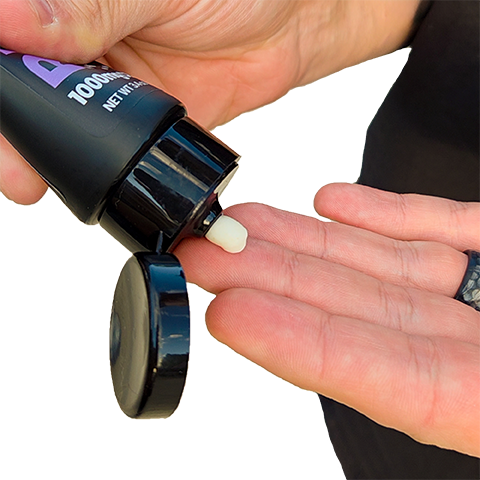
Before applying any bruise cream, clean the area with mild soap. Use gentle circular pressure when massaging the product into your skin — this stimulates blood flow without damaging those fragile capillaries. For the best results, reapply two to three times daily consistently.

Most people notice visible improvement within 3 to 7 days of regular application. Deeper bruises may take up to two weeks. You can support the healing process by eating foods rich in vitamins C and K, staying hydrated, and avoiding smoking.

Final Thoughts

Understanding these ingredients and application methods puts you in control of your healing process. Remember, products containing 20% arnica or Vitamin K formulations offer the best results when applied within that critical 48-hour window. Combine your bruise cream with proper ice therapy and elevation — this approach helps most bruises heal within a week rather than the typical two weeks or longer.

Your bruises don't have to be something you just endure. With the right knowledge and approach, you can actively support your body's natural healing process and get back to feeling comfortable in your skin sooner.

FAQ's About Bruise Cream

Q1. Can dermatologists provide professional treatments to remove bruises faster?

A: Yes, dermatologists can offer laser and light treatments that break up the blood and fluid buildup causing bruise discoloration. These professional treatments typically require only a couple of sessions and need no special preparation, making them an effective option for stubborn or severe bruising.

Q2. Does arnica really work for healing bruises?

A: Yes, arnica is clinically proven to reduce bruising. Studies show that 20% arnica ointment reduces bruising more effectively than placebo. Arnica contains over 150 bioactive compounds that deliver anti-inflammatory and antioxidant effects, helping to reduce swelling and promote faster healing when applied correctly.

Q3. What ingredients should I look for in an effective bruise cream?

A: The most effective bruise creams contain arnica (ideally at 20% concentration) and Vitamin K. These two ingredients are clinically validated for bruise treatment. Arnica reduces inflammation and swelling, while Vitamin K strengthens capillary walls and helps regulate blood clotting to minimize discoloration.

Q4. How quickly can I expect a bruise to heal with proper treatment?

A: With proper treatment using bruise cream, ice therapy, and elevation, most bruises show visible improvement within 3 to 7 days. Deeper bruises may take up to two weeks. This is significantly faster than the 2+ weeks it typically takes for untreated bruises to heal naturally.

Q5. When should I start applying bruise cream for best results?

A: Apply bruise cream as soon as bruising appears, ideally within the first 48 hours. Start with ice therapy for 20 minutes during the first 24-48 hours, then apply the cream 2-3 times daily using gentle circular motions. After two days, you can switch to warm compresses to enhance circulation.

References

https://dailymed.nlm.nih.gov/dailymed/fda/fdaDrugXsl.cfm?setid=b957a592-e51b-61fc-e053-2995a90aaabd&type=display
https://pmc.ncbi.nlm.nih.gov/articles/PMC8537440/
https://academic.oup.com/bjd/article-abstract/163/3/557/6642700
https://suplery.com/blog/vitamin-k-in-skincare-bruising-control-vascular-repair/
https://pmc.ncbi.nlm.nih.gov/articles/PMC9755209/
https://www.sciencedirect.com/science/article/abs/pii/S138614251730402X
https://pubmed.ncbi.nlm.nih.gov/28527394/
https://www.drugs.com/comments/arnica-topical/
https://www.droracle.ai/articles/141589/what-medications-help-with-ecchymoses-bruises
https://pmc.ncbi.nlm.nih.gov/articles/PMC5605207/
https://www.healthline.com/health/arnica-for-bruises
https://www.mayoclinic.org/first-aid/first-aid-bruise/basics/art-20056663
https://my.clevelandclinic.org/health/diseases/15235-bruises