Calf Pain
If you’re searching for calf pain relief, you’re likely dealing with more than just soreness. Calf muscle pain can make it harder to walk comfortably, recover after workouts, stay active, or get through everyday routines without stiffness and frustration. This collection of products was built to help support those moments with fast-acting, targeted topical relief designed for active bodies and everyday discomfort alike.
-
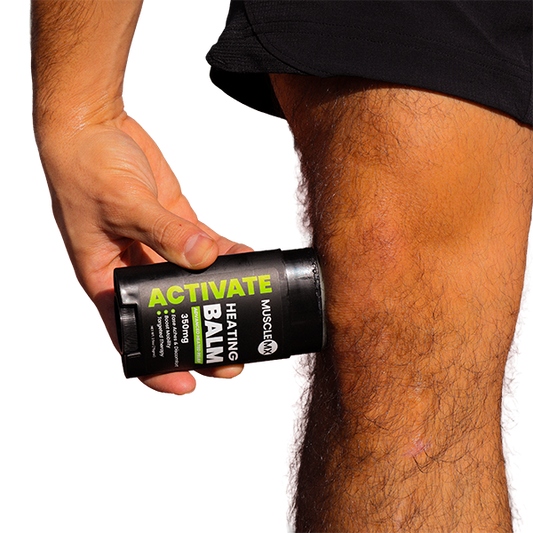
Vendor:Muscle MXActivate CBD Balm
Regular price From $34.99 USDSale price From $34.99 USD Regular priceitem / per -
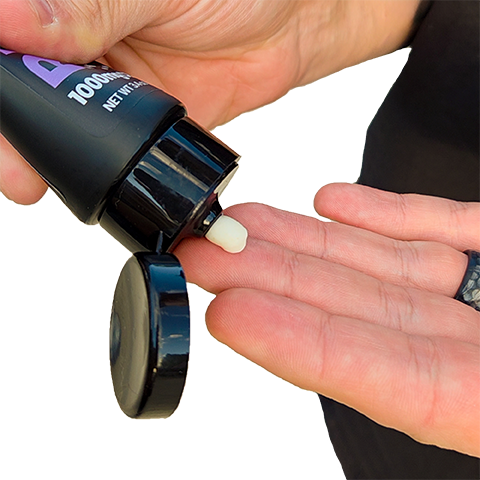
Vendor:Muscle MXRestore CBD Lotion
Regular price From $19.99 USDSale price From $19.99 USD Regular priceitem / per -
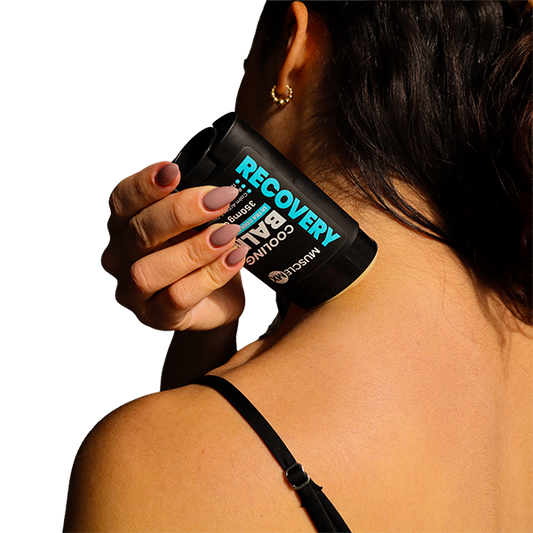
Vendor:Muscle MXRecovery CBD Balm
Regular price From $34.99 USDSale price From $34.99 USD Regular priceitem / per
Free Shipping
For orders over $75
Money Guarantee
30 day money back
Online Support
24 hours per day
Flexible Payment
Options Available
Calf Pain: What It Means and How to Get Relief Fast
Key Takeaways
Understanding calf pain causes and implementing proper relief strategies can help you recover faster and prevent future injuries.
• Identify the source: Upper calf pain typically involves the gastrocnemius muscle from explosive movements, while lower calf pain usually affects the deeper soleus muscle from overuse or fatigue.
• Apply immediate relief: Use the RICE method (rest, ice, compression, elevation) for 48-72 hours, avoiding weight-bearing activities to reduce swelling and promote healing.
• Stretch safely: Begin gentle stretching once acute pain subsides, keeping discomfort between 0-5 on a pain scale and holding stretches for 20-30 seconds.
• Prevent through preparation: Warm up with 5-10 minutes of dynamic movement, stay hydrated with electrolyte balance, and increase training intensity gradually to avoid muscle strain.
• Seek medical attention: Consult a healthcare provider if you experience severe pain, swelling, redness, inability to walk comfortably, or pain that persists despite home treatment.
Remember that sudden calf pain without clear cause could indicate serious conditions like deep vein thrombosis, which requires immediate medical evaluation.
Introduction
Calf pain — it's one of those discomforts that can turn your daily routine upside down. You might feel a sharp twinge during your morning walk or notice a persistent ache settling in after your workout. The experience varies from person to person, but the impact remains the same: even simple activities become uncomfortable challenges.
The causes behind calf muscle pain are surprisingly diverse. Sometimes it's a straightforward muscle strain from pushing too hard during exercise. Other times, it might be cramping that catches you off guard. However, calf pain can also signal more serious health concerns. Conditions like deep vein thrombosis (DVT) can present as calf discomfort and need immediate medical attention.
Understanding what's causing your discomfort is the first step toward finding relief that actually works. We'll explore the common reasons behind calf pain, help you recognize when a pulled muscle might be the culprit, and share effective strategies to ease your discomfort quickly. Your goal is simple: getting back to moving comfortably without that nagging pain holding you back.
Understanding Your Calf Pain
What Is Calf Muscle Pain?
Your calf muscle sits in the back of your lower leg, right behind your shinbone. When calf muscle pain strikes, it typically shows up as either a dull ache or sharp discomfort in this area. The sensation can range dramatically — you might notice mild soreness that's more annoying than anything else, or you could face severe, debilitating pain that makes each step feel impossible.
Let's learn more about what's actually happening inside your calf. Three muscles work together in this area: the gastrocnemius, the soleus, and the plantaris. These muscles coordinate to help you flex and bend your foot, ankle, and knee. The gastrocnemius and soleus connect at the Achilles tendon, which attaches directly to your heel. A calf strain occurs when these muscle fibers stretch beyond their limit or experience partial or complete tears.
Pain doesn't always show up immediately, which can be confusing. Some people feel sudden, sharp pain right when the injury happens, while others experience a dull ache that develops gradually — sometimes not appearing until 24 hours after the initial injury. If you've been active with walking or running, the cause is usually muscular. However, sudden pain without any clear trigger could signal a serious health concern, such as blood vessel problems.
Pain in Upper Calf vs. Lower Calf
Where you feel pain offers valuable clues about what's actually going on with your muscles. Upper calf pain typically points to the gastrocnemius muscle, which is the fleshy, outer muscle that crosses both your knee and ankle joints. This muscle faces higher strain risk because of its structure and dense concentration of fast-twitch muscle fibers. Gastrocnemius strains frequently happen during explosive activities like sprinting, jumping, or sudden acceleration. You might hear a distinct "pop" or feel a snapping sensation, followed immediately by trouble pushing off or rising onto your toes.
Lower calf pain usually involves the soleus muscle, which lies deeper underneath the gastrocnemius. Soleus strains are more common among endurance athletes and middle-aged individuals. These injuries typically result from overuse or fatigue rather than sudden trauma. The discomfort often presents as tightness and stiffness that builds gradually over days or weeks, usually getting worse with steady running or prolonged activity.
Left Calf Pain vs. Right Calf Pain
Does it matter which side hurts? Pain in one calf versus the other doesn't necessarily point to different conditions. Anyone can experience calf muscle pain, though it's more frequent in athletes who place excess stress on their muscles. Unilateral pain often stems from asymmetrical movements, favoring one leg during activities, or direct trauma to one side.
Remember, the location and nature of your pain can guide you toward understanding what's happening and what steps might help you find relief.
What Are the Common Causes of Calf Pain?
Calf muscle pain can stem from a variety of sources, ranging from simple overuse to more serious health conditions that require immediate attention. Understanding these causes is important to find the most effective relief options.
Calf Muscle Strain and Overuse
Muscle strains happen when your calf muscle fibers stretch beyond their limits, causing tiny tears in the tissue. This commonly occurs during sports activities that involve quick pivots, sudden jumps, or abrupt stops. When your toes get forced upward toward your body, it pulls the calf muscles downward too quickly, leading to injury.
Certain factors can increase your risk of experiencing a calf strain. Being over age 40, lack of proper conditioning, and having tight or shortened calf muscles all contribute to this vulnerability.
Non-traumatic calf pain often follows a recognizable pattern. The discomfort typically starts during running or other physical activity and gets worse as you continue. Your muscle feels tight and may prevent you from pushing further. This usually results from fatigue caused by doing too much too soon or having weakness in the calf muscles.
Pain During Walking or Running
Have you ever noticed cramping in your calf that strikes during exercise but disappears when you rest? This often stems from insufficient blood flow to your muscles. When arteries become narrowed, they prevent your muscles from receiving the oxygen they need, causing a condition called intermittent claudication.
Barefoot running can also contribute to calf discomfort. Forefoot landing patterns place more stress on the calf and Achilles tendon compared to running in shoes, which explains why people transitioning to barefoot running frequently develop soreness in this area.
Cramping and Dehydration
Calf cramps are surprisingly common, affecting around 30-37% of people. These sudden, involuntary muscle contractions can last anywhere from a few seconds to 10 minutes, causing significant discomfort.
Dehydration ranks as one of the primary causes of muscle cramping. When you sweat during exercise, your body loses not only water but also essential electrolytes like sodium, potassium, and magnesium. These minerals play a vital role in proper muscle function and contraction, so when they become imbalanced, your muscles may respond with painful cramps.
Circulation Problems and DVT
Deep vein thrombosis (DVT) represents a serious medical emergency that can present as calf pain. This condition occurs when a blood clot forms in a deep vein, typically in your leg. The symptoms include swelling, redness, warmth, and tender cramping pain in the affected area.
Research reveals that up to 10% of people who experience symptoms similar to calf muscle pulls actually have DVT. This condition requires immediate medical attention because blood clots can break free and travel to your lungs, creating a life-threatening situation.
Nerve-Related Calf Pain
Sometimes calf pain originates from nerve issues rather than muscle problems. Sciatica occurs when the sciatic nerve becomes irritated, causing pain that radiates from your hip down through your calf. This type of pain often feels different from muscle-related discomfort.
Peripheral neuropathy, commonly associated with diabetes and other medical conditions, can also affect the nerves in your calf. You might experience burning sensations, electrical-type pain, pins and needles feelings, or unusual sensitivity in the affected area.
What Are Fast Relief Methods for Calf Pain?
When calf pain strikes, you want relief that works quickly and effectively. Several proven techniques can help you manage the discomfort and support your recovery process.
Rest and Elevation Techniques
Your first move should be stopping any activities that make your pain worse. Avoiding weight-bearing activities for 48-72 hours following injury gives your muscle the break it needs to start healing. Raise your leg above heart level to help reduce swelling and that throbbing sensation.
Remember to support your entire leg with pillows while you're resting — this isn't just about comfort, it's about proper positioning for recovery. Let your pain level guide how much activity you take on. If something hurts, your body is telling you to slow down.
Ice and Compression Therapy
Ice therapy can be your ally during the first few days after injury. Apply ice packs wrapped in a thin towel for 10 to 20 minutes several times throughout the day. Never place ice directly against your skin — this can actually cause tissue damage.
Pairing ice with compression creates an even more effective approach. Wrap the affected area with an elastic bandage, keeping it snug but not so tight that it cuts off circulation. This combination helps reduce swelling and provides stability to your muscle during those crucial first 48 to 72 hours.
Gentle Stretching Exercises
Once the acute pain begins to ease up, light stretching can help restore mobility. Here's a helpful guideline: rate your pain on a scale of 0 to 10, and aim to keep any stretching discomfort between 0 and 5.
Start small with just 2 to 3 repetitions, then gradually increase as your comfort level improves. Hold each stretch for 20 to 30 seconds. This isn't about pushing through pain — it's about gentle encouragement for your healing muscle.
Over-the-Counter Pain Relievers
Sometimes you need a little extra help managing discomfort. Ibuprofen and naproxen can reduce both inflammation and pain, while acetaminophen focuses on pain relief without interfering with the healing process. Always follow the package directions carefully to avoid unwanted side effects.
CBD Balm and Topical Treatments
Topical treatments offer another avenue for targeted relief. Products containing menthol create cooling sensations that can distract from pain. CBD creams may help reduce inflammation when you apply them directly to the sore area. You might also find relief with capsaicin and lidocaine-based options.
These topical approaches work right where you need them, making them particularly appealing for localized calf discomfort.
What Are Prevention and Long-Term Management Strategies?
The best approach to calf muscle pain is preventing it from happening in the first place. Consistent habits that protect your muscles from injury and overuse can make all the difference in keeping you active and comfortable.
Proper Warm-Up and Stretching Routine
Your calves need preparation before you ask them to perform. Spend 5 to 10 minutes engaging in dynamic movement before running. Lunges, squats, and leg swings work wonders for boosting blood flow and activating both muscles and nerves.
There's an important distinction to understand here: dynamic stretches prepare your nervous system for action, while static stretches work best for addressing cramps. When you do incorporate static stretching, hold each stretch for 15 to 30 seconds and repeat three to five times on each side. This warming up process increases tissue temperature and improves elasticity, making your muscles more resistant to tears.
Staying Properly Hydrated
Hydration goes beyond just drinking water. Aim for about 20 ounces of water two hours before running, then consume 7 to 10 ounces every 10 to 20 minutes during your workout.
Here's something many people don't realize: hydration alone isn't enough. Your body needs electrolytes like sodium and potassium to function properly. Drinking plain water after dehydration can actually dilute your electrolytes and increase your susceptibility to cramps. Sports drinks formulated with sodium help prevent this problem.
Gradual Training Progression
Your muscles need time to adapt to increased demands. If you typically run two miles daily, jumping to five miles right away is asking for trouble. Gradual adjustments help prevent pain behind your knee and in your calf.
When Should You See a Healthcare Provider?
Sometimes professional guidance becomes necessary. Seek medical attention if you cannot walk comfortably, experience severe calf pain, notice swelling or redness, or have pain at night or while resting. These symptoms may indicate complications beyond typical muscle strain, and getting proper evaluation can help you address the issue before it becomes a bigger problem.
The Bottom Line
Calf pain doesn't have to keep you on the sidelines. You have effective tools at your disposal — from immediate relief methods like rest and ice to gentle stretching that supports recovery. Prevention plays an equally important role through proper warm-ups, staying hydrated, and listening to your body's signals about training intensity.
Remember, your body is remarkably good at healing when given the right support. Start with the relief strategies we've discussed, but don't hesitate to seek professional guidance if your discomfort persists or worsens despite your best efforts at home care. Some conditions require medical attention to rule out serious underlying issues and get you back to moving comfortably.
Your wellness journey is uniquely yours, and understanding what your body needs is the first step toward lasting relief. Trust your instincts, be patient with the healing process, and know that most calf pain responds well to consistent, thoughtful care.
FAQ's About Calf Pain
Q: What causes sudden calf pain without any injury?
A: Sudden calf pain without a clear cause could indicate a serious health issue such as deep vein thrombosis (DVT), where a blood clot forms in a deep vein. It may also result from circulation problems like narrowed arteries that prevent muscles from receiving enough oxygen. If you experience unexplained calf pain accompanied by swelling, redness, or warmth, seek immediate medical attention.
Q: How can I tell if my calf pain is from the upper or lower muscle?
A: Upper calf pain typically involves the gastrocnemius muscle and often occurs during explosive movements like sprinting or jumping, sometimes with a "pop" sound. Lower calf pain usually affects the soleus muscle, which lies deeper, and develops gradually from overuse or fatigue during endurance activities. The location and onset of pain help identify which muscle is affected.
Q: What is the fastest way to relieve calf muscle pain at home?
A: The RICE method provides fast relief: Rest by avoiding weight-bearing activities for 48-72 hours, Ice the area for 10-20 minutes several times daily, Compress with an elastic bandage, and Elevate your leg above heart level. You can also take over-the-counter pain relievers like ibuprofen and apply topical treatments for additional comfort.
Q: Can dehydration really cause calf cramps?
A: Yes, dehydration is a primary cause of calf cramps. When you sweat, your body loses water and essential electrolytes like sodium, potassium, and magnesium, which are vital for muscle function. Drinking plain water alone after dehydration can dilute electrolytes further and increase cramp susceptibility, so sports drinks with sodium are recommended.
Q: When should I see a doctor for calf pain?
A: Consult a healthcare provider if you cannot walk comfortably, experience severe or persistent pain, notice swelling or redness, or have pain at night or while resting. These symptoms may indicate complications beyond typical muscle strain, such as DVT or nerve damage, which require professional medical evaluation and treatment.
References
https://my.clevelandclinic.org/health/symptoms/22274-calf-muscle-pain
https://www.healthdirect.gov.au/calf-pain
https://floridafai.com/learn/calf-pain-causes-symptoms-and-treatment/
https://physioclub.com.au/blog/calf-pain-is-it-a-soleus-or-gastrocnemius-strain/
https://my.clevelandclinic.org/health/diseases/21558-pulled-calf-muscle
https://www.healthline.com/health/calf-pain
https://www.physio-pedia.com/Calf_Strain
https://pmc.ncbi.nlm.nih.gov/articles/PMC2697334/
https://www.webmd.com/first-aid/rice-method-injuries
https://www.yalemedicine.org/news/rice-protocol-for-injuries