Free Shipping

For orders over $75

Money Guarantee

30 day money back

Online Support

24 hours per day

Flexible Payment

Options Available


CBD rub: how to choose the right one for muscle and joint pain

Key takeaways

  • A CBD rub is designed for targeted, localized support where you feel discomfort.
  • The “best CBD rub” is usually the one you’ll use consistently—texture and routine matter.
  • Look for third-party testing and COAs, especially if you want THC-free products.
  • Cooling (menthol) and warming formulas can serve different moments in your day.
  • Pairing a rub with a small mobility habit often improves your overall experience.

If you’re searching for a cbd rub, you’re probably not looking for a lecture—you’re looking for something that helps you move a little easier today. Maybe it’s sore muscles after training, a stiff back after sitting too long, or joints that feel cranky when the weather changes.

A CBD topical rub can be a practical option when you want targeted support right where you feel it. The tricky part is that not all CBD rubs are made the same, and the label doesn’t always tell you what actually matters.

This guide walks you through what to look for, how to use it well, and how to choose a product you can feel good about—without overpromising.

What a CBD rub is (and what it isn’t)

A CBD topical rub is a product you apply directly to the skin—usually over a sore muscle or stiff joint. It’s often made as a balm, stick, cream, or lotion.

CBD topical rub vs. oral CBD

Topicals are designed for localized use. Instead of taking CBD by mouth and hoping it supports the area you care about, you apply it where you need it—like your knees, shoulders, lower back, wrists, or calves.

What “pain relief rub” can realistically do

A CBD pain relief rub is typically used to support:

  • Temporary discomfort from exercise or daily strain
  • Tight, overworked muscles
  • Stiffness that makes movement feel limited

It’s not a cure, and it won’t replace professional care for injuries or chronic conditions. But for many people, a well-made rub becomes part of a consistent routine that helps them stay active.

Who typically shops for a CBD rub

Most people don’t buy a rub because they’re “into wellness.” They buy it because something hurts, feels tight, or keeps showing up.

CBD rub for muscle pain and sore muscles

If you’re dealing with post-workout soreness, weekend-warrior aches, or muscles that get tight from repetitive work, a CBD rub for sore muscles is often used as a simple add-on to recovery.

Look for a formula that feels good on the skin, absorbs well, and fits your schedule (stick for on-the-go, balm for deeper massage, lotion for larger areas).

CBD rub for joint pain and arthritis

People also look for a CBD rub for joint pain when knees, hands, hips, or shoulders feel stiff—especially first thing in the morning or after sitting.

If you’re searching for a CBD rub for arthritis, focus on products with clear testing and a texture you’ll actually use consistently. Consistency matters more than “the strongest jar on the internet.”

CBD rub for back pain and everyday mobility

A CBD rub for back pain is commonly used for the lower back, glutes, and surrounding muscles—areas that can feel tight from sitting, lifting, or long days on your feet.

For back discomfort, application technique matters: you often get better results when you rub it in thoroughly and pair it with a small mobility habit (more on that below).

What to look for in the best CBD rub

When people ask for the best CBD rub, they’re usually asking: “What should I trust?” Here are the factors that tend to matter most.

CBD amount and transparency (COAs)

A credible brand should be transparent about:

  • How much CBD is in the container (total mg)
  • How much you get per use (if provided)
  • Third-party testing and access to a Certificate of Analysis (COA)

A COA helps you verify what’s in the product and what’s not—especially if you’re trying to avoid THC.

Cooling vs. warming: menthol, camphor, and contrast

Many people prefer a rub that creates a noticeable sensation.

  • A CBD rub with menthol typically feels cooling and can be great after activity or when something feels inflamed or “hot.”
  • Warming ingredients (often paired with botanicals) can feel helpful before movement or when you feel stiff.

Some routines use contrast—warming before activity, cooling after—to support mobility and recovery.

Base ingredients that affect feel and absorption

The “base” (oils, waxes, butters) determines whether a rub feels:

  • Greasy or clean
  • Fast-absorbing or slow-melting
  • Better for massage or better for quick application

If you hate the texture, you won’t use it. And if you won’t use it, it won’t help.

Scent, sensitivity, and skin considerations

If you have sensitive skin, pay attention to:

  • Strong essential oils
  • Heavy fragrance
  • High menthol levels

When in doubt, patch test on a small area first.

How to use CBD rub for better results

Knowing how to use CBD rub can make the difference between “I tried it once” and “this is part of my routine now.”

Where to apply (muscles vs. joints)

  • For muscles: apply over the sore area and the surrounding muscle group (for example, not just the knee, but the quads and calves that influence it).
  • For joints: apply around the joint and gently massage the tissues around it.

How much to use and how often

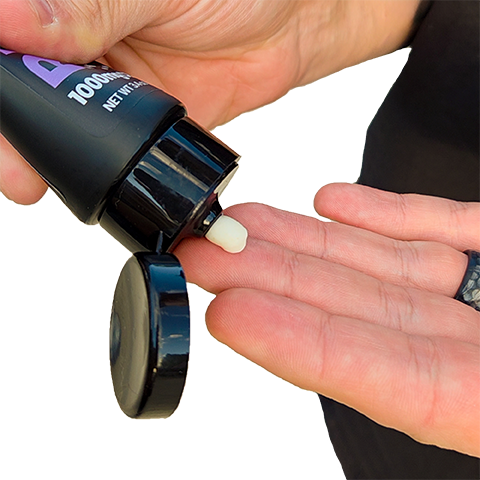
Start with a small amount, then add more if needed. Many people use a topical 1–3 times per day depending on activity level.

The goal is a consistent routine you can maintain—not a one-time “extra strong” application.

When to use it (pre-movement vs. post-activity)

Try matching the sensation to the moment:

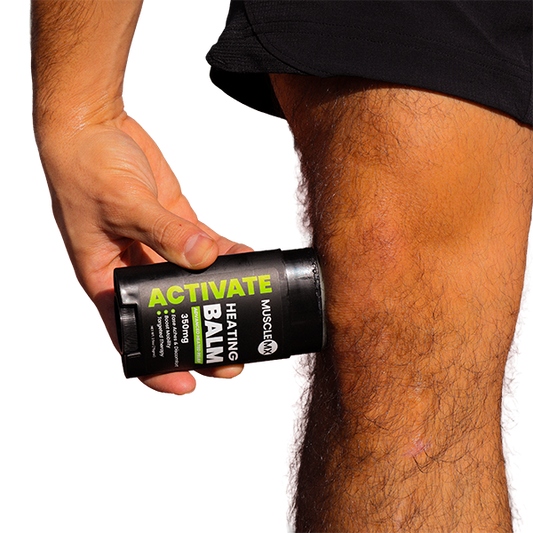
  • Before movement: warming rubs can feel supportive when you’re stiff
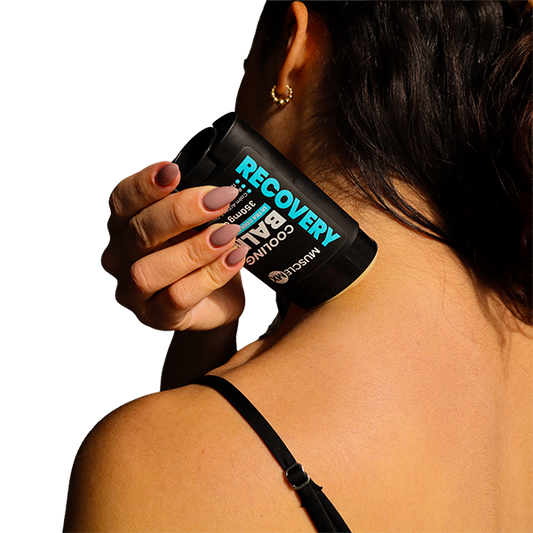
  • After activity: cooling rubs can feel great when you’re sore
  • Before bed: a gentle massage can help you wind down

Pairing with simple mobility habits

If you want better results, pair your rub with one small habit:

  1. Apply your rub
  2. Do 60–90 seconds of easy movement (walk, gentle squats, shoulder circles)
  3. Reassess how you feel

Small habits, real results—especially when you repeat them.

Safety, drug tests, and common questions

THC-free vs. broad-spectrum vs. isolate

If drug testing is a concern, look for products that are explicitly THC-free and backed by third-party testing.

When to talk to a clinician

Consider professional guidance if you have:

  • Severe or worsening pain
  • Numbness/tingling
  • A known injury
  • Pain that doesn’t improve with rest and basic care

A simple decision checklist

Use this quick checklist when comparing options:

  • Third-party tested with easy-to-find COAs
  • Clear CBD amount per container
  • Texture you’ll use consistently
  • Cooling or warming sensation that fits your routine
  • Ingredients you tolerate (especially if sensitive)

If you want a topical-first routine built around contrast therapy, Muscle MX makes premium topicals designed for pre- and post-activity use (warming and cooling options) with a focus on quality ingredients and transparent testing. If you’re comparing products, it’s a solid benchmark for what “well-made” can look like.

FAQ's About CBD Rub

1) Does CBD rub work for muscle pain?

Many people use a CBD rub for muscle pain as part of recovery—especially for soreness and tightness. Results vary, so focus on product quality and consistent use.

2) What’s the best CBD rub for sore muscles?

The best CBD rub for sore muscles is typically one that’s third-party tested, feels good on your skin, and matches your routine (cooling after training, warming before movement).

3) Can I use a CBD rub for joint pain or arthritis?

Many shoppers look for a CBD rub for joint pain and stiffness. If you’re searching for a CBD rub for arthritis, choose a product with transparent testing and talk to a clinician if symptoms are significant.

4) Is a CBD rub with menthol better?

A CBD rub with menthol can feel great if you prefer a cooling sensation—often after activity or when an area feels inflamed. Warming options can be better before movement.

5) How often should you use CBD topical rub?

Many people apply a CBD topical rub 1–3 times per day depending on need and activity. Start small and build a routine you can stick with.

6) Will CBD rub show up on a drug test?

Topicals are less likely to be an issue than ingestibles, but nothing is guaranteed. If testing matters, choose THC-free products with third-party COAs.

References

  • NIH NCCIH: Cannabis (Marijuana) and Cannabinoids overview
  • FDA: Cannabis and Cannabis-Derived Compounds (CBD) consumer updates
  • Arthritis Foundation: CBD guidance for arthritis symptoms
  • PubMed/PMC: topical cannabidiol studies and reviews (search “topical cannabidiol pain”)
  • Mayo Clinic: chronic pain overview and when to seek care