

Foot Pain Relief
Foot pain relief with fast-acting, natural topical support for sore, tired feet—made to help ease daily discomfort, restore comfort, and get you back to the movement, routines, and moments you don’t want foot pain to hold you back from.
-

 Vendor:Muscle MX
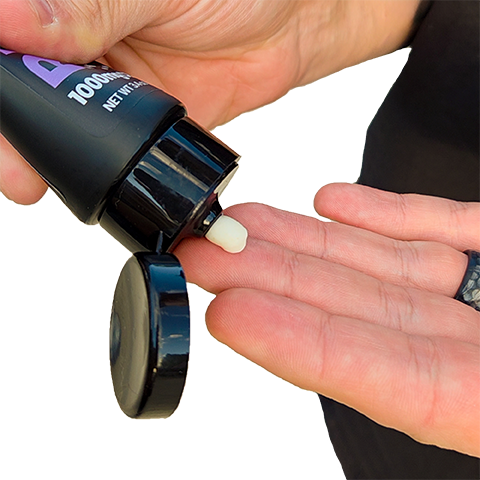
Restore CBD Lotion
Regular price From $19.99 USDSale price From $19.99 USD Regular priceitem / per


Free Shipping
For orders over $75

Money Guarantee
30 day money back

Online Support
24 hours per day

Flexible Payment
Options Available
Foot Pain Relief: What Your Doctor Isn't Telling You About Fast Recovery
Key Takeaways
Understanding your specific foot pain type is crucial for choosing the right treatment approach, whether it's plantar fasciitis, nerve pain, or standing-related discomfort.
• Ice therapy works for acute injuries (10 minutes on/20 off), while heat helps chronic conditions like arthritis
• Epsom salt soaks for 15-20 minutes reduce inflammation and relax muscles effectively
• Custom orthotics show no better short-term results than $20 store-bought inserts for most conditions
• Replace shoes every 6-8 months or 350-500 miles to maintain proper cushioning and support
• Follow the 20-8-2 rule: sit 20 minutes, stand 8 minutes, move 2 minutes to prevent standing pain
Most home remedies provide relief within days, but persistent pain requires medical evaluation. Prevention through proper footwear and regular movement breaks is just as important as treatment for long-term foot health.
Introduction
Foot pain — it's one of those discomforts that can turn your daily routine into a real challenge. Whether you're hobbling through your morning routine with sharp heel pain or struggling through a workday on aching arches, foot discomfort has a way of affecting everything you do.
You're not alone in this struggle. As many as 75 percent of adults experience foot pain at some point, making foot pain relief a priority for millions of people. Even more concerning? Half of those surveyed said their foot problems were severe enough to limit their daily activities. That's a significant impact on quality of life that often goes unaddressed.
Whether you're dealing with that first-step-of-the-morning heel pain, persistent arch discomfort, or the kind of foot fatigue that comes from standing all day, finding effective relief can make all the difference in how you move through your day.
This guide will help you understand what's really causing your foot pain, explore fast-acting remedies you can try at home, learn about medical treatments that actually work, and discover practical solutions for preventing foot pain before it starts. Let's dive into proven strategies that can help you get back on your feet — comfortably.
Understanding Your Foot Pain: Types and Common Causes
Understanding the specific type of foot pain you're experiencing is the first step toward finding effective relief. Different areas of your foot can hurt for different reasons, and knowing what's causing your discomfort helps you choose the most appropriate treatment approach.
Top of Foot Pain
When you feel pain across the top of your foot, you're likely dealing with one of several common conditions. Extensor tendonitis occurs when the tendons running along your foot's upper surface become inflamed from overuse, tight shoes, or prolonged standing. Think of these tendons as the cables that help lift your foot and toes — when they're overworked, they can become irritated and painful.
Stress fractures in the metatarsal bones can create sharp pain accompanied by swelling, particularly common among runners and those engaged in high-impact activities. These small cracks in the bone develop gradually from repetitive stress rather than a single injury.
Gout attacks often target the base of the big toe, creating sudden, intense pain from uric acid crystal formation. This condition can strike without warning, often waking people from sleep with severe discomfort.
Peripheral neuropathy may produce tingling, numbness, or burning sensations across the top of your foot, frequently linked to nerve compression. This nerve-related pain can feel quite different from other types of foot discomfort.
Bottom and Arch Pain
Plantar fasciitis ranks as one of the most common conditions causing pain in the bottom of the heel and arch. This occurs when the thick fibrous band running along your foot's sole — imagine it as a bowstring that supports your arch — becomes inflamed from overuse, losing elasticity over time.
You'll recognize plantar fasciitis by that characteristic sharp heel pain that hits worst during your first steps in the morning, then gradually improves with movement. Many people describe it as feeling like they're stepping on a nail or glass.
Metatarsalgia creates sharp, aching, or burning pain in the ball of your foot, often feeling like you're walking on a pebble. This condition affects the area just behind your toes and can make each step uncomfortable.
Flat feet or fallen arches increase strain on foot muscles and ligaments, leading to persistent arch discomfort. When your natural arch collapses, other structures have to work harder to compensate.
Morton's neuroma involves a thickened nerve between your third and fourth toes, producing burning pain that intensifies in tight or high-heeled shoes. This condition can create the sensation of having a fold in your sock or a small stone under your foot.
Heel and Ankle Pain
Plantar fasciitis and Achilles tendinitis represent the two most frequent causes of heel pain. While plantar fasciitis affects the bottom of your heel, Achilles tendinitis targets the back.
Achilles tendinitis inflames the large tendon connecting your calf muscle to your heel bone, causing pain and stiffness that worsens in the morning and improves throughout the day. This pattern is quite different from plantar fasciitis, which tends to hurt most with those first steps.
Bursitis develops when fluid-filled sacs cushioning your joints swell, creating tender, bruise-like sensations at the back of your heel. These small sacs act like cushions, and when they become inflamed, even gentle pressure can be painful.
Nerve Pain and Burning Sensations
Peripheral neuropathy represents the primary cause of burning feet syndrome, with diabetes being the most common trigger. Over 50 percent of people with diabetes develop some form of neuropathy. This condition affects the nerves themselves rather than muscles, bones, or joints.
Nerve pain typically presents quite differently from other types of foot discomfort:
- Sharp, stabbing, or burning sensations
- Tingling or pins-and-needles feelings
- Numbness spreading into the toes
- Pain that intensifies at night
Tarsal tunnel syndrome occurs when the posterior tibial nerve compresses inside your ankle, radiating burning or tingling into parts of your feet. Think of it as similar to carpal tunnel syndrome, but in your foot instead of your hand.
Remember, identifying your specific type of foot pain helps narrow down the most effective treatment options. The location, timing, and quality of your discomfort all provide important clues about what's happening beneath the surface.
Fast-Acting Home Remedies for Foot Pain Relief
The good news? You don't need to wait for a doctor's appointment to start finding relief. Many effective foot pain remedies are probably sitting in your medicine cabinet or pantry right now.
Ice and Heat Therapy
Understanding when to use ice versus heat can make all the difference in your recovery. [Apply an ice pack wrapped in a towel for 10 minutes][link_3], stop for 20 minutes, then reapply in this cycle one or two more times. Ice works best for acute injuries — those sudden twists or strains that leave you hobbling. Stop icing within 6 hours of your injury, and never apply ice directly to your skin.
Heat takes a different approach. It works better for chronic conditions like arthritis or persistent muscle tension. Apply heat for 5 to 10 minutes once per day at a comfortable temperature. Remember, heat should not be used during the first 48 hours after an injury — that's ice territory.
Epsom Salt Soaks
Sometimes the simplest solutions work best. [Dissolve 1/2 to 1 cup of Epsom salts into warm water][link_4] and soak your feet for 15-20 minutes. The magnesium sulfate in Epsom salts reduces inflammation and relaxes tight muscles. Use this treatment 2-3 times per week for optimal benefits. Just remember to moisturize thoroughly afterward — salt can dry your skin.
Massage and Rolling Techniques
Here's a technique that combines two therapies in one. Roll your foot over a frozen water bottle, golf ball, or tennis ball for 3-5 minutes, twice per day. You're getting both massage and cold therapy at the same time. For deeper pressure, use your knuckles to knead from the heel toward your toes, applying firm pressure to sore spots for 8 to 12 seconds.
Stretching Exercises for Plantar Fasciitis Relief
If you're dealing with that sharp morning heel pain, these stretches can be game-changers. Calf stretches target the tight muscles that pull on your plantar fascia. Stand facing a wall with your affected foot behind you, keeping the heel flat. Hold for 45 seconds, repeating 4-6 times per day.
Towel stretches offer another approach. Sit with your leg extended, loop a towel around your foot, and pull gently toward you. Hold 45 seconds, 2-3 times, repeated 4-6 times daily.
Elevation and Rest
Don't underestimate the power of putting your feet up. Elevate your legs above heart level using pillows for 15 minutes. Repeat this 3 to 4 times each day. This simple technique allows blood and excess fluid to drain away from your feet, reducing swelling and pressure.
What Medical Treatments Can Your Doctor Recommend?
Sometimes home remedies aren't enough, and that's when it's time to explore what your healthcare provider can offer. When foot pain persists despite your best efforts at home, medical treatments can target the root cause of your discomfort more directly.
Over-the-Counter Pain Relievers
Ibuprofen and naproxen sodium tackle both pain and inflammation, making them particularly useful for foot conditions involving swelling. You'll typically notice ibuprofen working within one week for mild cases, though more severe conditions may require up to two weeks before you see real improvement. Naproxen has the advantage of lasting eight to twelve hours, which means fewer doses throughout your day compared to other options.
Acetaminophen takes a different approach — it relieves pain without addressing inflammation, making it a good choice when swelling isn't your main concern. Remember to take the smallest effective dose for the shortest time needed, as NSAIDs can cause stomach upset or bleeding with prolonged use.
Topical Creams and Gels
Topical treatments offer targeted relief right where you need it most. CBD creams work by calming aggravated nerves, providing fast-acting relief. CBD cream goes deeper, actually blocking the chemicals that signal pain rather than simply masking discomfort with heating or cooling sensations.
For CBD cream, apply about 4.5 inches of lotion to areas like your feet and ankles four times daily. You might start feeling relief within a few days, though it can take up to seven days of consistent use to experience the full benefits. Capsaicin creams create an initial burning sensation that decreases over time — you'll need to stick with it for several days to two weeks before noticing significant pain reduction.
Orthotics and Shoe Inserts
Custom orthotics redistribute weight across your foot and can correct gait abnormalities that contribute to pain. Research shows strong evidence that custom orthotics help reduce foot pain from conditions like plantar fasciitis, bunions, and painful high arches.
Here's something interesting that might surprise you: studies found no difference in short-term pain relief between expensive custom orthotics and store-bought versions costing $20 or less. This means you might want to try affordable over-the-counter options before investing in custom-made devices.
Physical Therapy Options
A physical therapist brings specialized techniques to your treatment plan, including manual therapy, instrument-assisted soft tissue mobilization, and gait analysis to restore proper function. Treatment might include kinesiology tape, laser therapy, and myofascial acoustic compression therapy. The timeline varies — some patients experience relief within a few sessions, while others need several weeks to see significant improvement.
Steroid Injections and Advanced Treatments
For more persistent cases, your doctor might recommend cortisone injections, which can reduce inflammation for three to six months. Studies show that steroid injections work better than shock wave therapy initially, though this advantage disappears by the 36-month mark.
Alternative advanced treatments include platelet-rich plasma therapy and shock wave therapy, with shock wave treatments reporting success rates as high as 88%. Your healthcare provider can help determine which approach makes the most sense for your specific situation.
How to Stop Foot Pain From Standing All Day
Standing for hours on end — it's a reality for millions of workers, from nurses and teachers to retail employees and factory workers. The challenge with prolonged standing isn't just the immediate discomfort; it's the way it can affect your entire body over time.
The good news? You don't have to accept foot pain as an inevitable part of your job. Prevention strategies can make a significant difference in how your feet feel at the end of a long day.
Choosing Proper Footwear
Your feet are as unique as your fingerprints, and finding the right shoe starts with understanding your arch type. High arches need cushioned shoes with adequate arch support to absorb shock and distribute pressure evenly. If you have flat feet, you'll want stability shoes with motion control to prevent overpronation. Those with neutral arches benefit from balanced support without excessive cushioning.
Look for firm heel counters that provide stability and prevent excessive movement. Here's something many people don't realize: you should replace your shoes every 6-8 months with regular wear, or after 350-500 miles. Worn cushioning loses shock absorption even when the exterior appears intact.
Improving Your Posture
Your feet form the foundation for your entire body's alignment. Set the arch so weight distributes evenly, align your second and third toes with your knees, and maintain a natural spine curve. When your foot posture is off, your body compensates, creating a chain reaction of discomfort that can extend to your knees, hips, and back.
Taking Regular Breaks
This might seem obvious, but it's often overlooked: sit and rest your feet every three hours to prevent pain. Experts suggest following a 20-8-2 pattern: sit for 20 minutes, stand for 8 minutes, then move around for 2 minutes. Walk whenever possible to activate calf muscles and improve circulation.
Using Compression Socks
Compression socks work by squeezing your legs to promote blood flow back toward your heart. For standing all day, start with mild compression at 8-15 mmHg. The key is putting them on first thing in the morning before swelling begins.
Remember, preventing foot pain is much easier than treating it once it develops. These strategies work best when used together as part of your daily routine.
The Bottom Line
Foot pain doesn't have to be something you just live with. While it affects millions of people, understanding what's causing your discomfort is the first step toward finding real relief.
Simple home remedies like ice therapy, Epsom salt soaks, and targeted stretches can offer immediate comfort, often working within days. When these approaches aren't enough, medical treatments like orthotics and physical therapy can help address the root causes of your discomfort.
Remember, prevention is just as important as treatment. Choosing proper footwear for your foot type, taking regular breaks when standing for long periods, and paying attention to your body's signals can help you avoid foot pain before it starts.
Your feet carry you through every day of your life — they deserve the care and attention it takes to keep them healthy and comfortable. Whether you're dealing with morning heel pain or end-of-day aching, there are proven strategies that can help you get back to moving through your day with confidence.
Don't ignore persistent foot discomfort. If home remedies aren't providing the relief you need, reaching out to a healthcare professional can help you explore additional treatment options. Your comfort and mobility matter, and taking action today can make a real difference in how you feel tomorrow.
FAQ's About Foot Pain Relief
Q: What are the fastest ways to relieve foot pain at home?
A: You can start with ice therapy by applying an ice pack wrapped in a towel for 10 minutes, resting for 20 minutes, then repeating the cycle. Epsom salt soaks for 15-20 minutes in warm water also provide quick relief by reducing inflammation and relaxing muscles. Rolling your foot over a frozen water bottle combines massage with cold therapy for immediate comfort. These methods typically work within minutes to hours.
Q: How can I prevent foot pain when standing all day at work?
A: Take regular breaks by sitting and resting your feet every three hours. Follow the 20-8-2 pattern: sit for 20 minutes, stand for 8 minutes, then move around for 2 minutes. Wear proper footwear with adequate arch support and cushioning, and consider using compression socks at 8-15 mmHg to promote blood flow. Replace your shoes every 6-8 months to maintain proper support.
Q: What causes burning and tingling sensations in the feet?
A: Burning and tingling in the feet typically result from peripheral neuropathy, which affects the nerves. Diabetes is the most common cause, affecting over 50 percent of people with the condition. Other causes include tarsal tunnel syndrome, where the posterior tibial nerve becomes compressed inside the ankle. These sensations often worsen at night and may spread into the toes.
Q: How long does it take for plantar fasciitis treatments to work?
A: Home remedies like stretching exercises and ice therapy can provide relief within days when performed consistently 4-6 times daily. Over-the-counter pain relievers typically begin working within one week for mild cases, though severe conditions may require up to two weeks. Physical therapy may show improvement within a few sessions for some patients, while others need several weeks of treatment.
Q: Are expensive custom orthotics better than store-bought inserts?
A: Research shows no significant difference in short-term pain relief between custom orthotics and store-bought versions costing $20 or less. While custom orthotics can redistribute weight and correct gait abnormalities, studies demonstrate that affordable over-the-counter inserts provide comparable relief for most common foot conditions like plantar fasciitis and arch pain.
References
https://hackensackmeridianhealth.org/en/healthier-you/2025/12/16/foot-pain-relief-without-new-shoes
https://ankleandfootcenters.com/top-of-foot-pain/
https://www.healthline.com/health/pain-on-top-of-the-foot
https://www.hopkinsmedicine.org/health/conditions-and-diseases/plantar-fasciitis
https://www.health.harvard.edu/pain/plantar-fasciitis-symptoms-causes-and-treatments
https://www.mayoclinic.org/diseases-conditions/metatarsalgia/symptoms-causes/syc-20354790
https://orthofootankle.com/blog/foot-arch-pain
https://www.mayoclinic.org/diseases-conditions/mortons-neuroma/symptoms-causes/syc-20351935
https://www.mayoclinic.org/symptoms/heel-pain/basics/causes/sym-20050788
https://www.mayoclinic.org/diseases-conditions/achilles-tendinitis/symptoms-causes/syc-20369020
AS SEEN IN


