Free Shipping

For orders over $75

Money Guarantee

30 day money back

Online Support

24 hours per day

Flexible Payment

Options Available


Hip Pain Relief: What to Do First (and What to Avoid)

Key takeaways

  • Hip pain relief usually improves fastest when you reduce the aggravator, keep gentle movement, and rebuild hip stability.
  • Hip pain relief exercises that target the glutes (bridges, clamshells, abduction) often help support the joint and reduce overload.
  • Stretches for hip pain relief should feel gentle—avoid sharp pinching in the front of the hip.
  • Hip bursitis pain relief often responds to avoiding side pressure and strengthening the lateral hip.
  • Topical pain relief for hip pain can be a helpful comfort layer, especially when paired with movement and recovery habits.

Hip pain relief can feel urgent—especially when every step, stair, or night in bed reminds you something’s off. The good news is that many common hip pain patterns respond well to a few smart, consistent basics: calming irritation, restoring gentle mobility, and rebuilding strength around the hip.

This guide walks you through hip pain relief at home, including safe hip pain relief exercises, stretches for hip pain relief, and when it’s time to get checked out. You’ll also learn where topical pain relief for hip pain can fit into a practical plan—without relying on miracle claims.

Why your hip hurts (common causes)

Your “hip” pain can come from several places—muscles and tendons around the joint, the joint itself, or even irritation in the low back that refers pain into the hip.

Common causes include:

  • Hip flexor pain from tightness, strain, or too much sitting (often felt in the front of the hip)
  • Hip joint pain from arthritis, femoroacetabular impingement (FAI), or labral irritation (often deep, groin-like pain)
  • Hip bursitis (greater trochanteric pain syndrome) causing outer-hip tenderness, especially when lying on that side
  • Sciatica where nerve irritation in the low back sends pain into the butt, hip, and down the leg
  • Overuse from sudden increases in walking, running, lifting, or new workouts

If you’re not sure what you’re dealing with, don’t worry—many of the strategies below are still appropriate because they focus on reducing irritation and improving hip function.

Symptoms that suggest you should get checked

At-home care is a great starting point for many people, but some symptoms deserve prompt medical evaluation.

Consider getting checked soon if you have:

  • Severe pain after a fall or you can’t bear weight
  • Fever, redness, warmth, or sudden swelling around the hip
  • Numbness, tingling, or weakness down the leg that’s worsening
  • Pain that wakes you nightly or steadily worsens over weeks
  • A history of osteoporosis, cancer, or unexplained weight loss

When in doubt, a clinician or physical therapist can help you narrow down the driver and tailor a plan.

How to relieve hip pain fast (safe first steps)

If you’re thinking “how to relieve hip pain fast,” the safest answer is usually: calm the area down, keep it gently moving, and avoid the specific positions that spike symptoms.

Calm it down in the first 24–72 hours

  • Reduce the aggravator (long walks, deep squats, hills, side-sleeping on the painful hip)
  • Keep pain in a tolerable range during activity (a common guideline is staying at or below a 3–4/10)
  • Choose short, frequent movement over one long session that flares you up

Heat vs ice (simple rule)

  • Ice can help if the area feels hot, sharp, or newly irritated—especially after activity.
  • Heat can help if you feel stiff, tight, or achy—especially before gentle stretching.

You don’t need to overthink it: pick what makes you feel better, use it for 10–15 minutes, and reassess.

Gentle movement beats total rest

Total rest often makes hips feel stiffer and more sensitive. Instead, try “movement snacks” throughout the day: a 3–5 minute easy walk, gentle hip circles, or a few light bridges.

Hip pain relief exercises (strength + stability)

Hip pain relief exercises work best when they’re simple, consistent, and focused on the muscles that stabilize your pelvis—especially your glutes.

Do these 3–4 times per week if tolerated. Start with 1–2 sets of 8–12 reps.

Glute bridge

  • Lie on your back, knees bent, feet flat.
  • Exhale and lift your hips until you feel your glutes working.
  • Pause 1–2 seconds, lower slowly.

Why it helps: supports hip joint mechanics and reduces overload on the front/side of the hip.

Side-lying clamshell

  • Lie on your side with hips and knees bent.
  • Keep feet together and open the top knee without rolling back.

Why it helps: targets glute medius—key for hip and knee alignment.

Standing hip abduction (band optional)

  • Stand tall, hold a wall for balance.
  • Move one leg out to the side, toes forward, then return slowly.

Why it helps: builds lateral hip strength that often matters for hip bursitis pain relief.

Step-downs (only if tolerated)

  • Stand on a low step.
  • Slowly lower one heel toward the floor and return.

Tip: if this spikes pain, skip it for now and build tolerance with bridges and clamshells first.

Stretches for hip pain relief (mobility without aggravation)

Stretches for hip pain relief should feel like a mild pull—not a sharp pinch in the front of the hip or deep joint pain.

Hold each stretch 20–30 seconds, 2–3 rounds.

Hip flexor stretch (half-kneeling)

  • Kneel on one knee, other foot forward.
  • Tuck your pelvis slightly (think “zip up” your lower abs).
  • Gently shift forward until you feel the stretch in the front of the hip.

This is a go-to for hip flexor pain relief when sitting has you locked up.

Figure-4 / piriformis stretch

  • Lie on your back, cross ankle over opposite knee.
  • Pull the uncrossed leg toward you.

Helpful when pain feels more in the butt/outer hip and can support sciatica hip pain relief for some people.

Adductor rock-back

  • On hands and knees, extend one leg out to the side.
  • Rock your hips back slowly, keeping your back neutral.

Child’s pose to side reach

  • Sit back into child’s pose.
  • Walk hands to one side to feel a gentle stretch along the side body and hip.

Hip pain relief at home: daily habits that add up

Small changes can reduce the “background irritation” that keeps hip pain hanging around.

Sleep positions and pillow support

  • If side-sleeping hurts, try a pillow between your knees to keep the hip from collapsing inward.
  • If the outside of your hip is tender, avoid lying directly on that side.
  • Back sleepers can try a pillow under the knees to reduce hip flexor tension.

Desk and driving tweaks

  • Stand up every 30–45 minutes for 1–2 minutes.
  • Avoid sitting with one leg tucked under you.
  • In the car, slide the seat slightly forward so you’re not reaching with your leg.

Walking and “movement snacks”

If walking helps, keep it easy and flat at first. If it flares you up, shorten your walks and increase frequency instead of distance.

Topical pain relief for hip pain (where it fits)

Topical pain relief for hip pain can be a useful add-on when you want localized comfort—especially for muscular soreness around the hip, outer-hip tenderness, or post-activity stiffness.

It’s not a substitute for addressing the underlying driver (strength, mobility, load management), but it can make it easier to stay consistent with movement.

What to look for in the best cream for hip pain relief

A “best cream” depends on your preferences and sensitivities, but in general look for:

  • Clear ingredient labeling
  • A texture that absorbs well (so you’ll actually use it)
  • Options that match your preference for warming or cooling sensation
  • Quality standards and third-party testing when applicable

How to apply topicals for better results

  • Apply to the surrounding tissues (glutes, outer hip, hip flexor area) rather than trying to “hit” the joint itself.
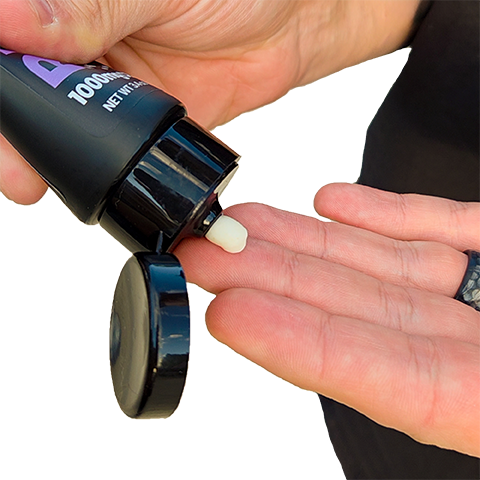
  • Use after a warm shower, after gentle movement, or before bedtime if nighttime discomfort is your issue.
  • Patch test if you have sensitive skin.

Muscle MX topical support

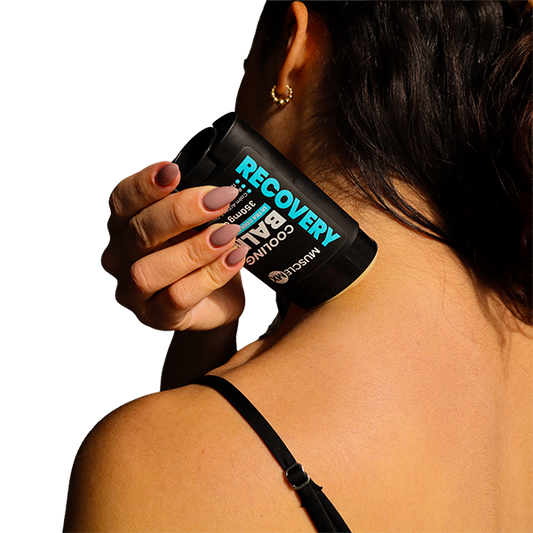
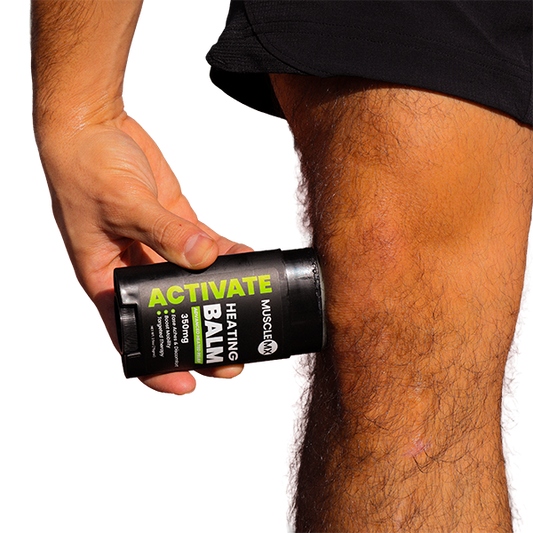
If you like the idea of a topical as part of your routine, Muscle MX focuses on premium, topical-first support designed to pair well with movement and recovery habits. Think of it as a comfort layer that helps you keep doing the basics that matter.

Condition-specific notes

These aren’t diagnoses—just practical patterns that can guide your next step.

Hip bursitis pain relief (outer hip)

  • Avoid prolonged side-lying on the painful side.
  • Prioritize glute med strength (clamshells, standing abduction).
  • Reduce hills and side-to-side movements temporarily if they flare symptoms.

Sciatica hip pain relief (butt/hip + leg symptoms)

  • If symptoms travel down the leg, focus on gentle walking and positions that reduce nerve irritation.
  • Avoid aggressive stretching that increases tingling or numbness.
  • Consider evaluation if weakness or progressive symptoms show up.

Hip joint pain relief (deep groin/front hip)

  • Avoid deep hip flexion positions that pinch (deep squats, low chairs).
  • Use shorter ranges of motion and build strength gradually.
  • A PT can be especially helpful here to tailor angles and progressions.

If you want a simple next step: pick one stretch and one strength move from this guide and do them for 7 days—then reassess how your hip feels when you walk, climb stairs, and sleep.

And if a topical helps you stay consistent with that plan, explore Muscle MX as a supportive add-on to your hip pain relief at-home routine.

FAQ's Hip Pain Relief

What’s the fastest way to get hip pain relief at home?

Start by reducing what’s aggravating it, use heat or ice based on what feels best, and do gentle movement daily. Add light strengthening 3–4 times per week.

Which hip pain relief exercises are best if you’re a beginner?

Glute bridges, clamshells, and standing hip abduction are simple, low-impact options that build support around the hip.

What stretches help with hip flexor pain relief?

A half-kneeling hip flexor stretch with a slight pelvic tuck is often effective—especially if your hip feels tight from sitting.

What helps hip bursitis pain relief?

Avoid lying on the painful side, reduce hills temporarily, and strengthen the glute medius (clamshells, standing abduction). If it persists, get evaluated.

Can topical pain relief for hip pain actually help?

Topicals can help you feel more comfortable in the short term, especially for surrounding muscle soreness or outer-hip tenderness. They work best alongside movement and strength work.

When should you see a doctor for hip pain?

If you can’t bear weight, have severe pain after a fall, fever/redness/warmth, or worsening numbness/weakness, get checked promptly.

References

  • American Academy of Orthopaedic Surgeons (AAOS) hip pain overview; https://orthoinfo.aaos.org
  • Cleveland Clinic hip pain causes and treatment; https://my.clevelandclinic.org
  • Mayo Clinic hip pain information; https://www.mayoclinic.org
  • NHS hip pain guidance; https://www.nhs.uk
  • National Institute of Arthritis and Musculoskeletal and Skin Diseases (NIAMS) arthritis/hip resources; https://www.niams.nih.gov