Free Shipping

For orders over $75

Money Guarantee

30 day money back

Online Support

24 hours per day

Flexible Payment

Options Available


Hyperextension: Symptoms, Causes, and How to Treat It

Key Takeaways

  • Hyperextension happens when a joint moves beyond its normal range.
  • Common symptoms include pain, swelling, stiffness, and instability.
  • The knee and elbow are common sites for hyperextension injuries.
  • Mild cases often respond to rest, ice, compression, and elevation.
  • Ongoing pain or instability should be checked by a medical professional.

Hyperextension can happen fast and leave you wondering whether you are dealing with a minor setback or a more serious injury. If you are feeling sharp discomfort, swelling, or instability after a joint moved past its normal range, it helps to know what to look for and what to do next.

A hyperextension injury happens when a joint bends too far in the wrong direction. This most often affects the knee, elbow, fingers, or neck. In many cases, symptoms improve with rest and supportive care, but some injuries need medical attention, especially if the joint feels unstable or painful to bear weight on.

What hyperextension means

Hyperextension refers to a joint being forced beyond its normal range of motion. That extra movement can stretch or damage ligaments, tendons, muscles, and other soft tissues around the joint.

A hyperextended knee may happen during sports, sudden stops, awkward landings, or slips and falls. A hyperextended elbow can happen during contact sports, falls, or bracing yourself with an outstretched arm.

What causes hyperextension

Several situations can lead to hyperextension pain and injury:

  • Sudden impact during sports or exercise
  • Falls or accidents
  • Poor landing mechanics
  • Joint instability or previous injury
  • Muscle weakness or fatigue
  • Overstretching during activity

If you have had a prior joint injury, your risk may be higher because the surrounding tissues may already be less stable.

Common hyperextension symptoms

Hyperextension symptoms can vary depending on the joint and the severity of the injury. Common signs include:

  • Pain right after the joint moves too far
  • Swelling or tenderness
  • Bruising
  • Stiffness
  • Reduced range of motion
  • Weakness or instability
  • Trouble putting weight on the joint

Hyperextended knee

With a hyperextended knee, you may notice pain behind or around the knee, swelling, and a feeling that the knee may buckle. More severe injuries may involve ligament damage, including the ACL or PCL.

Hyperextended elbow

A hyperextended elbow often causes pain, swelling, and difficulty fully bending or straightening the arm. In some cases, there may also be visible bruising or a feeling of looseness in the joint.

How to treat hyperextension

How to treat hyperextension depends on how serious the injury is. For mild cases, early self-care can help reduce discomfort and support recovery.

Start with the basic steps:

  1. Rest the joint and avoid movements that make pain worse.
  2. Apply ice for 15 to 20 minutes at a time during the first 48 hours.
  3. Use compression if appropriate to help manage swelling.
  4. Elevate the area when possible.
  5. Consider a brace or support if the joint feels unstable.

After the early phase, gentle hyperextension exercises may help restore movement and strength, but only if pain is improving. Examples can include light range-of-motion work, controlled stretching, and strengthening exercises recommended by a medical professional or physical therapist.

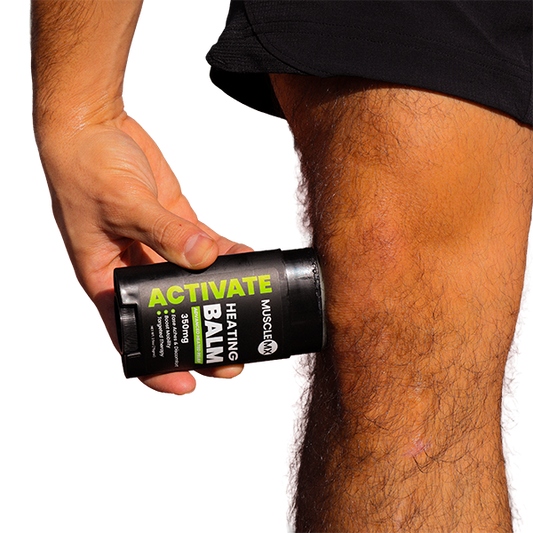
If you are looking for added comfort during recovery, some people also use topical products as part of their broader routine for muscle and joint discomfort. A brand like Muscle MX may fit naturally into that kind of support plan, but it should not replace medical care when an injury is significant.

Hyperextension recovery time

Hyperextension recovery time depends on the joint involved and how much tissue damage occurred. Mild cases may improve in a few days to a couple of weeks. Moderate injuries can take several weeks. If ligaments are torn or the joint is unstable, recovery may take much longer and may require formal rehabilitation.

If pain is not improving, swelling is getting worse, or the joint feels like it may give out, it is a good idea to get evaluated.

Hyperextension vs strain

Hyperextension vs strain is a common point of confusion. Hyperextension describes the movement that caused the injury, meaning the joint went beyond its normal limit. A strain refers to injury to a muscle or tendon. In some cases, hyperextension can cause a strain, but it can also affect ligaments and joint structures.

When to see a medical professional

You should seek medical care if you have:

  • Severe swelling or bruising
  • Trouble walking or using the joint
  • A popping sensation at the time of injury
  • Numbness or weakness
  • Visible deformity
  • Pain that does not improve with rest

These signs can point to a more serious hyperextension injury that needs proper diagnosis.

FAQ'S About Hyperextension

What causes hyperextension?

Hyperextension is usually caused by sudden force, awkward landings, falls, sports contact, or joint instability.

How do you know if you have a hyperextended knee?

Common signs include pain, swelling, stiffness, and a feeling that the knee may buckle or give out.

What is the best way to treat hyperextension?

For mild injuries, rest, ice, compression, and elevation are often the first steps. More serious cases may need medical evaluation and rehab.

How long does hyperextension recovery take?

Recovery can range from a few days to several weeks depending on the severity and the joint involved.

Is hyperextension the same as a strain?

No. Hyperextension is the movement beyond normal range, while a strain is an injury to a muscle or tendon.

Can you exercise after a hyperextension injury?

Gentle hyperextension exercises may help later in recovery, but only when pain and swelling are improving.

References

  1. MedlinePlus: https://medlineplus.gov/
  2. Cleveland Clinic: https://my.clevelandclinic.org/
  3. Mayo Clinic: https://www.mayoclinic.org/
  4. American Academy of Orthopaedic Surgeons: https://orthoinfo.aaos.org/
  5. MSD Manual: https://www.msdmanuals.com/