THC Oil Explained: What Lab Tests Won't Tell You About Potency
Key Takeaways
Understanding THC oil goes far beyond reading lab test percentages - the real story lies in how your body processes these complex compounds and what factors truly influence their effects.
- Lab tests show THC percentages but miss bioavailability - inhaled THC offers 10-35% absorption while oral consumption only provides 4-12%
- The "entourage effect" means terpenes and minor cannabinoids significantly modify THC's impact, making full spectrum oils more effective than isolates
- Delivery method dramatically affects onset and duration - sublingual works in 15-30 minutes, oral takes 30-90 minutes, vaping is nearly instant
- Always start with the lowest dose (1-2mg for beginners) and wait at least 2 hours before taking more to prevent overconsumption
- Purchase only from licensed dispensaries to avoid dangerous contaminants like pesticides, mold, and synthetic additives found in unregulated products
- Proper storage in airtight glass containers away from light and heat preserves potency for 2-3 years versus months for improperly stored oil
The key to safe and effective THC oil use lies in understanding these hidden factors that lab reports don't reveal, allowing you to make informed decisions based on your individual needs and physiology rather than just potency numbers.
Introduction
THC oil concentrations show a striking range - from a mere 5% to an intense 90% THC. These numbers tell only part of the story about what you're actually consuming.
THC oils exist in several distinct forms. Some break like glass, others spread smoothly like butter, and a few turn into fine powders. Lab tests give simple potency data but miss the bigger picture of how different THC oil forms interact with our bodies. Research shows that cannabinoids work well as pain relievers, making them ideal for inflammatory and neuropathic pain treatment. THC oil offers several benefits: pain reduction, nausea control, migraine relief, anxiety management, appetite stimulation, better sleep, inflammation reduction, muscle spasm control, and glaucoma treatment.
Pure THC oil and THC distillate products come with potential risks. Health officials in 2019 looked into a severe lung disease outbreak linked to vaping and e-cigarettes. The findings revealed that 82% of hospitalized patients had used THC-containing products. This data proves why knowing your THC oil source and proper dosage matters for safe use.
This piece will break down what THC oil really is, explain its effects on your body, and reveal what lab test results don't tell you about its potency and impact.
What Is THC Oil and How It Works in the Body
Delta-9-tetrahydrocannabinol (THC) oil is a concentrated extract that has the main psychoactive compound found in cannabis plants. This potent substance works with our bodies through a complex biological system that explains why it can both heal and intoxicate.
Interaction with CB1 and CB2 Receptors
THC works by binding to two types of cannabinoid receptors in the body. These G-protein coupled receptors—CB1 and CB2—are spread out differently throughout the body, which explains how THC oil affects various body systems.
Our brains are packed with CB1 receptors—they outnumber many other receptor types. You'll find these receptors in the cerebral cortex, hippocampus, basal ganglia, hypothalamus, cerebellum, and peripheral nervous system. The frontal cortex, hippocampus, and cerebellum have lots of CB1 receptors. These areas control cognition, memory, and motor coordination. When THC binds to CB1 receptors, it can change multiple brain functions at once.
CB2 receptors work differently. They're mostly found in immune tissues, the spleen, thymus, pancreas, and peripheral immune cells. The central nervous system has fewer CB2 receptors compared to CB1 receptors. This unique distribution helps explain why pure THC oil affects both the central nervous system and immune system.
THC acts as a partial agonist at these receptors. This means it turns them on but not as strongly as the body's natural endocannabinoids. This partial activation creates both the healing and mind-altering properties of THC oil products.
Role of the Endocannabinoid System (ECS)
The endocannabinoid system has a huge network of chemical signals and cellular receptors that control many body processes. This system has three main parts: cannabinoid receptors (CB1/CB2), endogenous cannabinoids (endocannabinoids), and enzymes that break them down.
Our bodies naturally make endocannabinoids—mainly anandamide (AEA) and 2-arachidonoylglycerol (2-AG). These molecules bind to the same receptors as THC. They act as neuro-regulatory modulators that handle retrograde neurotransmission. Endocannabinoids travel backward across the synapse from postsynaptic neurons to presynaptic CB1 receptors. This stops neurotransmitters from being released.
THC oil changes this delicate system by copying endocannabinoids but lasting longer. The body makes endocannabinoids only when needed and breaks them down quickly. THC stays in the body longer, which means it affects the ECS for an extended period.
The ECS controls various functions including:
- Pain perception and inflammation
- Mood, memory, and cognition
- Sleep-wake cycles and appetite
- Immune and stress responses
- Cardiovascular and reproductive functions
Does THC Oil Get You High?
The "high" feeling from THC oil comes from how it interacts with CB1 receptors in the brain. THC makes neurons release more dopamine than usual. This creates feelings of euphoria and changes how you perceive things.
Several things affect how THC makes you feel. The way you take it matters—inhaled THC has 10-35% bioavailability, while eating it only gives you 4-12%. Everyone reacts differently too. Some people feel effects from just 2.5mg of THC, while others might need 25mg or more.
THC oil affects many brain areas at once. It messes with short-term memory in the hippocampus, changes how you judge things in the neocortex, creates euphoria in the nucleus accumbens, and makes you hungry through the hypothalamus.
Most people feel THC oil's effects for several hours, though some effects can last longer. CBD can change how THC affects you because it acts as a negative allosteric modulator of CB1 receptors. This might reduce how high THC makes you feel.
What Lab Tests Don’t Reveal About THC Oil Potency
Lab test results for THC oil products show a simple percentage or milligram measurement that creates an illusion of precision. These numbers only tell part of the story about how THC oil affects your body.
THC Bioavailability vs. Labeled Potency
The potency shown on THC oil labels rarely matches what your body can use. Bioavailability—the amount of THC that enters your bloodstream to create effects—changes based on how you take it. Inhaled THC gives 10-35% bioavailability, while oral THC gives just 4-12% because the liver processes it first. Sublingual use falls somewhere between these numbers.
Your body's unique factors play a big role in bioavailability. Your metabolism, digestion, and genes affect how well your body processes THC oil. This explains why two people taking similar doses from the same product often feel very different effects.
Effect of Terpenes and Minor Cannabinoids
Basic potency tests look at THC concentration but miss the aromatic terpenes and minor cannabinoids that change THC's effects. This is called the "entourage effect," and it means THC never works alone in natural cannabis extracts.
Myrcene makes you sleepy, while limonene gives you energy. Minor cannabinoids like CBG, CBN, and CBC mix with THC to change its mind-altering properties. CBN makes THC's calming effects stronger, and CBC might boost its pain-relieving properties.
Full Spectrum THC Extracted Oil vs. Isolates
Full spectrum THC extracted oil has all the cannabinoids, terpenes, and plant compounds from the original plant. THC isolates only have pure THC molecules. Lab reports might show the same THC percentages, but these products feel quite different when used.
Full spectrum extracts create more balanced effects even with less THC because of the entourage effect. THC isolates give more predictable but simple effects because they lack the benefits of other compounds working together.
Why Lab Results Don't Always Match Real-Life Effects
Lab testing measures cannabinoid content carefully but misses:
- Bioavailability differences between ways of taking THC
- Extraction quality and how well compounds stay intact
- Terpene breakdown during processing
- Individual metabolic differences that change effects
- Entourage interactions between cannabis compounds
Two products with the same THC percentages on lab reports might feel completely different based on how they're extracted, how you take them, and their overall chemical makeup.
These limitations help explain why some weaker oils sometimes feel stronger than high-potency options, and why THC oil effects can feel different between people and products even when lab results look the same.
Types of THC Oils and Their Potency Profiles
The cannabis industry makes THC oil through several extraction methods. Each method creates oils with unique characteristics and potency profiles. These differences explain why oils with the same THC percentages can give you completely different experiences.
THC Distillate Oil vs. Pure THC Oil
THC distillate oil shows up as a clear, amber-colored liquid with 90-99% THC content. Manufacturers create it through multiple refinement steps including short-path distillation that removes almost all plant compounds except THC. Pure THC oil (isolate) reaches even higher purity at 99%+ and usually comes as crystalline powder. You'll find trace amounts of other cannabinoids and terpenes in distillates. Isolates contain pure THC molecules that allow precise dosing but lack the entourage effect.
Solvent-Based Extracts: BHO, CO2, Distillates
Producers use chemical solvents to dissolve cannabis trichomes in solvent-based extraction. BHO (Butane Hash Oil) extraction works in a closed-loop system where liquid butane pulls cannabinoids and terpenes from plant material. This method works great for making shatter, budder, and crumbles. The process keeps terpene profiles intact since it doesn't need heat.
CO2 extraction, also known as supercritical fluid extraction, puts carbon dioxide under pressure until it acts as both gas and liquid. This eco-friendly, non-toxic method creates oils you'll find in vape cartridges. The downside? It pulls out fewer terpenes than BHO.
Ethanol extraction takes a simpler approach by soaking cannabis in alcohol to pull out compounds. This method works well for large-scale operations but pulls in water-soluble compounds like chlorophyll. This means extra purification steps.
Solventless Extracts: Rosin, Ice Water Hash
Solventless extraction skips chemicals and relies on physical techniques instead. Rosin uses heat and pressure to squeeze oil directly from cannabis flowers. This simple method keeps terpene profiles intact and needs minimal equipment.
Ice water hash (bubble hash) uses freezing water to separate trichomes from plant material. The process works by shaking cannabis in ice water until trichomes become brittle and break off. These trichomes then get filtered through finer and finer mesh bags. The final product has 50-70% THC potency.
Full Spectrum vs. Broad Spectrum Oils
Full spectrum THC oils pack all cannabis plant compounds including cannabinoids, terpenes, and up to 0.3% THC. These products give you the entourage effect, where multiple compounds work together to boost therapeutic benefits.
Broad spectrum oils share a similar profile but have little to no THC. Producers start with full spectrum extract and refine it to remove THC. Both types contain cannabis's rich compound mix and can deliver entourage effects, just at different strengths.
THC Oil Effects and Dosage Considerations
You need to understand how THC oil affects your body to use these potent products properly. The results can change based on how you consume it, your dosage, and personal factors like metabolism and tolerance.
How Long Does THC Oil Take to Work?
Your chosen delivery method determines how quickly THC oil works. Placing it under your tongue (sublingual administration) usually shows effects within 15-30 minutes and lasts about 4 hours. Eating it takes nowhere near as quick—you'll wait 30-90 minutes to feel the original effects, which peak after 2-3 hours and might last 4-12 hours. Vaping or dabbing works almost right away (within seconds to minutes). These effects peak after 15-30 minutes but only last 2-3 hours. Skin applications start working within 15-20 minutes and last about 2 hours.
THC Oil Dosage Based on Delivery Method
Medical researchers group THC doses into three categories: low (less than 7mg), medium (7-18mg), and high (greater than 18mg). Starting with the lowest possible dose is vital—especially with concentrates that pack much more THC than traditional cannabis products. New users should start with 1-2mg of tinctures. Hold the oil under your tongue for one minute before swallowing. You should wait at least two hours before taking more to avoid taking too much.
Common Effects: Euphoria, Relaxation, Anxiety
THC oil works with brain receptors to create feelings of relaxation and euphoria. Users often experience better moods, increased appetite, and less nausea. Notwithstanding that, side effects might include dry mouth, fatigue, faster heart rate, and breathing issues. Taking more than usual could trigger anxiety, fear, and panic instead of helping. Your body's unique endocannabinoid system might react to high-THC oils with unwanted anxiety, paranoia, physical discomfort, and drowsiness.
Does THC Oil Expire or Degrade Over Time?
Of course, THC oil won't last forever. Products stored correctly can stay good for two to three years, but poor storage leads to degradation within six months to a year. Research shows properly stored oil loses about 16% of its strength after one year. THC changes into CBN (cannabinol) as it breaks down—a compound that makes you more sleepy. Storage conditions affect how long it lasts significantly. Heat, light, and oxygen make it break down much faster.
Safe Usage and Buying Considerations
THC oil consumption requires more than just knowing the right dose. Your experience depends on how you use it, where you get it, and the way you store it.
How to Use THC Oil: Sublingual, Oral, Vaping
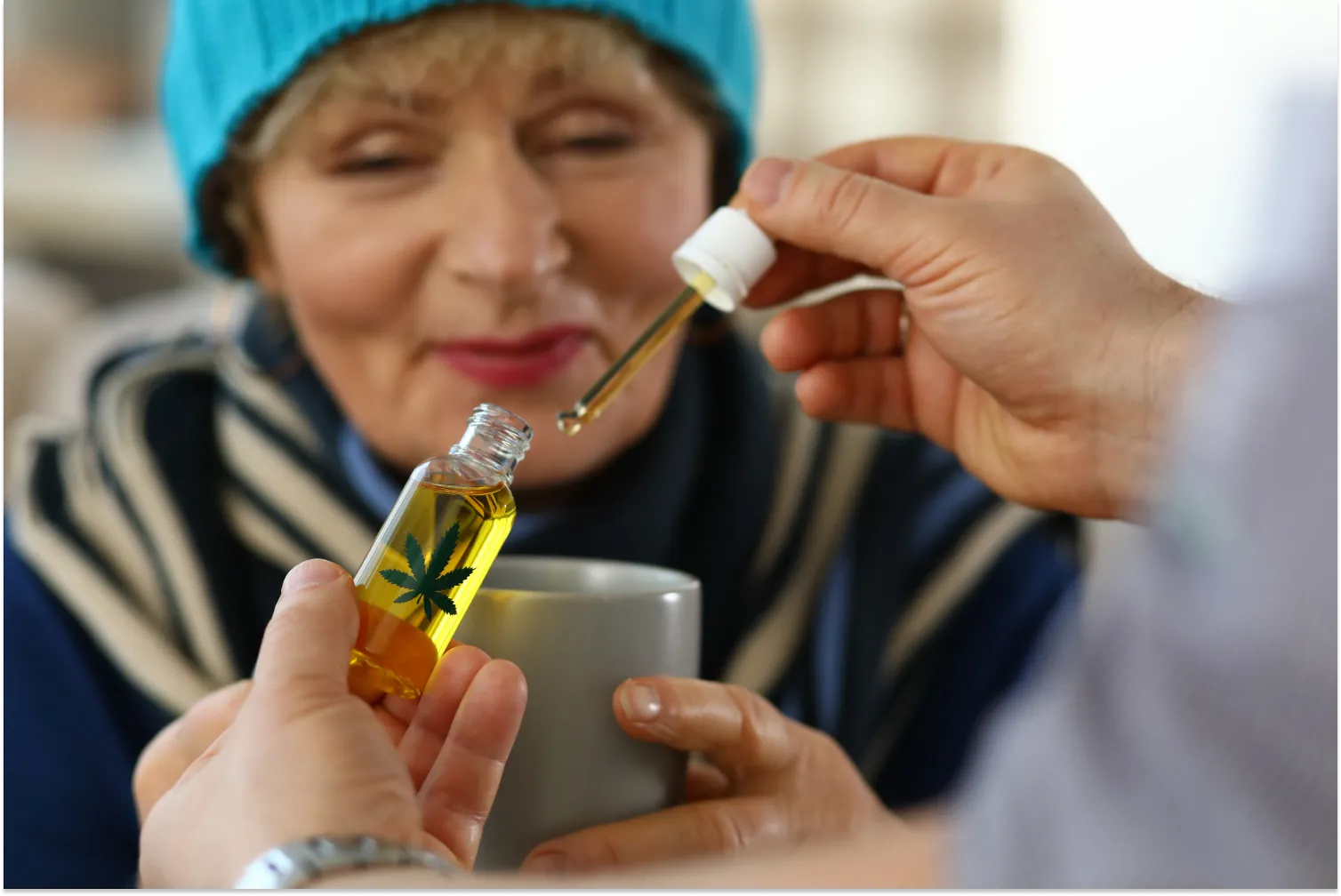
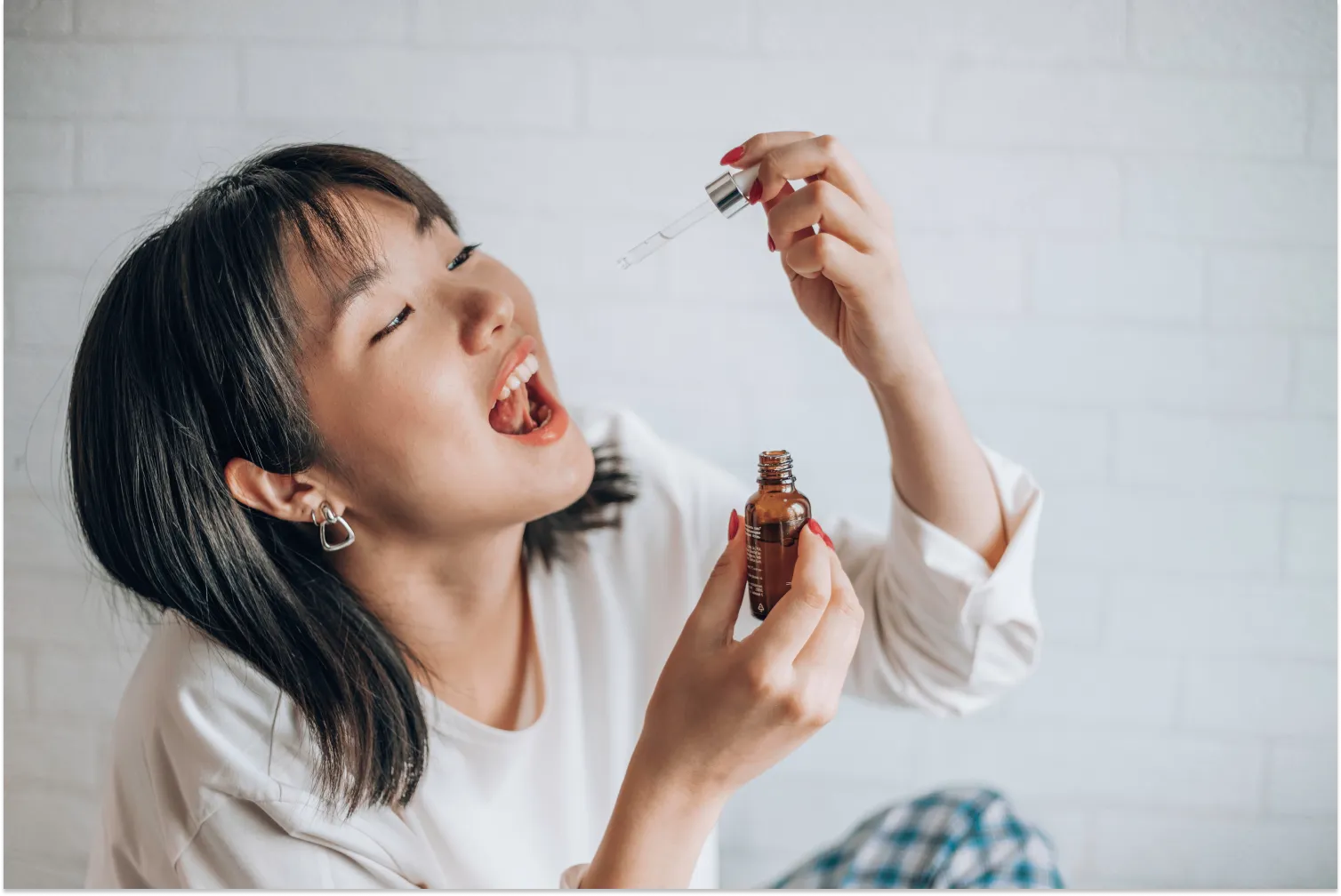
You can place drops under your tongue and hold them for 30-60 seconds before swallowing. This sublingual method lets the oil absorb through mucous membranes straight into your bloodstream. The effects start faster (15-30 minutes) and your body absorbs more of the compound. Another option is to swallow the oil or mix it with food. The effects take 30 minutes to 2 hours but last longer. Vaping gives you almost instant effects through special devices that heat the oil without burning it. Remember the golden rule no matter which method you pick: "start low and go slow".
Risks of Adulterated or Unregulated Products
Dangerous additives and contaminants often show up in unregulated THC oils. The FDA has found several problems including inconsistent formulas, wrong labels, and unsafe production methods. Black market products might contain pesticides, mold, heavy metals, or dangerous synthetic cannabinoids. Research shows some vape products had vitamin E acetate that caused severe lung damage and deaths. Products with "hemp" labels might still have unexpected levels of psychoactive compounds.
Buying THC Oil from Licensed Dispensaries
Licensed dispensaries check your ID and medical marijuana cards for medical purchases. These regulated stores sell lab-tested products with verified strength and purity. You should ask to see certificates of analysis that show contaminant testing and cannabinoid levels. Good dispensaries give you detailed product information and help you find what works best for you.
Storage Guidelines to Preserve Potency
Light, heat, and air can make THC oil break down quickly. Keep your oil in airtight glass containers at room temperature (around 68°F) and avoid places where temperature changes often. You don't need to refrigerate the oil - it can actually cause moisture problems. Well-stored oil stays good for 2-3 years, while poorly stored products can go bad within months. Write purchase dates on your products and watch those expiration dates carefully.
Final Thoughts
THC oil's world goes way beyond the reach and influence of lab report percentages. Our exploration shows how cannabinoids work with our endocannabinoid system through CB1 and CB2 receptors. These interactions create effects that vary from person to person. Lab tests give baseline information, but they miss vital factors like bioavailability, terpene profiles, and the entourage effect that substantially change your experience.
You'll find that extraction methods make products with similar THC percentages deliver different effects. Full spectrum extracts keep the plant's natural compound profile intact. Isolates give precise dosing but miss out on collaborative benefits. This difference becomes important when you pick products that match your needs.
Dosage remains the most critical part of using THC oil, and with good reason too. The saying "start low and go slow" makes perfect sense, as delivery methods change onset times and effect duration. Sublingual use gives moderate speed and bioavailability. Oral consumption leads to longer-lasting effects. Vaping brings almost immediate results but doesn't last as long.
Licensed dispensaries are the safest places to buy your products. Unregulated oils might contain harmful additives that risk your health. The right storage helps maintain potency and stops degradation.
Research keeps expanding our grasp of cannabinoids and their effects on the human body. THC oil keeps evolving too. Your knowledge about lab test limitations helps you make better choices about products that suit your needs. Today's market offers something for everyone, but you need to look past simple potency numbers to understand how THC oil really works.
FAQ's About THC Oil
Q: How can I determine the potency of THC oil?
A: While lab tests provide a baseline, they don't tell the whole story. Potency depends on factors like bioavailability, consumption method, and individual physiology. For accurate assessment, start with a low dose and observe the effects, as your body's response is the ultimate indicator of potency.
Q: What does THC potency on product labels actually mean?
A: THC potency on labels typically shows the percentage or milligram amount of THC in the product. However, this doesn't necessarily reflect how much THC your body will absorb or how strong the effects will be. Factors like delivery method and individual metabolism significantly impact the actual potency you experience.
Q: How can I ensure I'm purchasing high-quality THC oil?
A: To ensure quality, always buy from licensed dispensaries. Ask for certificates of analysis showing contaminant screening and cannabinoid content. Quality oils should be free from additives, have consistent color and viscosity, and come in proper packaging with clear labeling of THC content and other ingredients.
Q: What is considered high-potency THC oil?
A: Generally, oils with over 50% THC are considered high-potency. However, potency isn't just about THC percentage. Full-spectrum oils with lower THC percentages can sometimes produce stronger effects due to the entourage effect from other cannabinoids and terpenes. Always start with a low dose, regardless of labeled potency.
Q: How long do the effects of THC oil typically last?
A: The duration of THC oil effects varies based on consumption method. Sublingual application usually lasts about 4 hours, while oral ingestion can last 4-12 hours. Vaping effects typically last 2-3 hours. Individual factors like metabolism and tolerance also influence duration. Always wait for effects to fully subside before redosing.
References
https://www.healthline.com/cbd/types-of-cbd
https://releaf.co.uk/education/cannabis-101/administration/oil/how-long-does-thc-oil-last
https://mood.com/blog/does-thc-oil-go-bad
https://thetriminator.com/everything-you-need-to-know-about-ice-water-hash/
https://lunatechequipment.com/blogs/blog/ethanol-vs-co2-vs-bho-for-cannabis-and-hemp-extraction
https://hellodiem.com/education/whats-oils-key-differences-cannabis-concentrates-thc-oil-extraction-methods/
https://extraktlab.com/thc-distillate/
https://www.rootsciences.com/blog/thc-isolate-vs-thc-distillate/
https://www.rootsciences.com/blog/cannabis-extraction-methods/
https://www.labdepotinc.com/articles/mastering-cannabis-extraction-common-methods-explained.html?srsltid=AfmBOoqBHbpiip2T52khgvXUzDHCK7NTsqGMhObStVRowClkC-Q7E-3R
https://pmc.ncbi.nlm.nih.gov/articles/PMC8290527/
https://weedmaps.com/learn/dictionary/ice-hash