Tendonitis vs. Arthritis: What's the Difference?
Key Takeaways
Understanding the fundamental differences between tendonitis and arthritis helps you seek appropriate treatment and avoid misdiagnosis of these commonly confused inflammatory conditions.
- Location matters most: Tendonitis inflames tendons (muscle-to-bone connectors), while arthritis affects joints where bones meet
- Pain patterns differ significantly: Tendonitis causes localized pain that improves with rest; arthritis creates persistent joint pain even at rest
- Causes vary by condition: Tendonitis stems from overuse and repetitive motions; arthritis develops from wear-and-tear or autoimmune attacks
- Professional diagnosis is essential: Physical exams, imaging tests, and blood work accurately distinguish between conditions for proper treatment
- Treatment approaches differ: Tendonitis typically responds to rest and conservative care; arthritis requires long-term management strategies
Both conditions involve inflammation but affect different body structures, making accurate diagnosis crucial for effective pain relief and recovery. Don't attempt self-diagnosis—consult healthcare providers for proper evaluation and personalized treatment plans.
Introduction
Joint pain can leave you wondering what's actually going on inside your body. You're not alone in this confusion — with 1 in 5 adults in the U.S. having arthritis, many people struggle to understand the difference between these common conditions. Both tendonitis and arthritis involve inflammation and can cause similar discomfort, but they target completely different parts of your body.
Tendonitis affects the tough, rope-like cords that connect your muscles to bones, while arthritis strikes the joints where bones meet. Getting the right diagnosis matters because the treatment approach for each condition can vary significantly.
Let's learn more about what sets these conditions apart, from their root causes and symptoms to the relief options that can help you get back to feeling your best.
What Is Tendonitis?
Definition and How Tendons Work
Picture your tendons as strong, fibrous cables running throughout your body. When these thick cords connecting your muscles to bones become inflamed, that's tendonitis. Think of tendons as mechanical bridges that transfer the force from your muscle contractions directly to your skeletal system. Each time you contract a muscle, the attached tendon pulls on the bone to create movement.
Your body houses approximately 1,320 tendons of varying sizes, structures, and functions. While tendons are stiffer than muscles, they possess remarkable strength — the flexor tendons in your foot can handle more than eight times your body weight. This tough, fibrous tissue helps muscles complete joint movements along a specific plane.
Remember, tendonitis represents acute inflammation of a tendon, resulting in swelling, discomfort, and irritation. It's different from tendinopathy, which describes chronic degeneration that develops from microscopic wear over time. When inflammation persists, damaged tendon fibers may calcify and weaken, potentially leading to tears or complete ruptures.
Common Types of Tendonitis
Tendonitis can affect any tendon in your body, though certain areas are more prone to trouble. Shoulders, elbows, wrists, knees, and heels top the list of frequent inflammation sites. Age becomes a factor here — as tendons naturally weaken over time, they become thinner and accumulate microscopic damage to their fibers.
Most cases stem from repetitive strain injuries and overuse. Athletes face particular risk, with about 24% developing an Achilles tendon injury during their lifetimes. The condition doesn't just target athletes, though. People who perform repetitive tasks at work — painters, plumbers, carpenters, and computer users — also experience higher rates.
Achilles Tendonitis
Your Achilles tendon serves as the connection between your calf muscles at the back of your lower leg and your heel bone. As the largest tendon in your body, it commonly becomes inflamed in runners who suddenly ramp up their training intensity or duration. Weekend warriors — middle-aged people who play tennis or basketball only on weekends — also face elevated risk.
The condition comes in two distinct types based on location. Noninsertional Achilles tendonitis affects the middle portion of the tendon, where fibers break down, swell, and thicken. This type primarily strikes younger, active individuals. Insertional Achilles tendonitis involves the lower part where the tendon attaches to your heel bone. Bone spurs often develop with this type, which can affect anyone regardless of activity level.
Tennis Elbow and Golfer's Elbow
Tennis elbow, medically known as lateral epicondylitis, results from degeneration or microtearing of tendons on the outside of your elbow. The extensor carpi radialis brevis tendon typically sustains damage from repetitive wrist extension and finger movements. Most people affected fall between ages 30 and 50. Interestingly, auto workers, cooks, and butchers develop tennis elbow more frequently than the general population.
Golfer's elbow, or medial epicondylitis, causes discomfort and inflammation where forearm tendons connect to the inner elbow. Repeated wrist bending, grasping, and twisting motions create tiny tears in these tendons. The discomfort often radiates from the elbow down into your forearm and wrist.
Trigger Finger and DeQuervain's Tenosynovitis
Have you ever had a finger get stuck in a bent position and then suddenly snap straight? That's trigger finger, which occurs when the tendon sheath becomes inflamed and thickened, making it difficult to extend or flex your finger. Your affected finger may lock or suddenly snap when you try to move it.
DeQuervain's tenosynovitis affects the two tendons on your thumb side of the wrist. This condition causes discomfort near the base of your thumb that can spread into your forearm. Repetitive hand or wrist movements — such as lifting children, gardening, or playing racquet sports — commonly trigger this inflammation. The condition affects approximately 1% of people in the U.S. annually.
What Is Arthritis?
Definition and How Joints Work
Arthritis literally means joint inflammation, and it affects areas where two bones meet — think of your elbow or knee. With more than 100 different types, each one brings its own mix of pain, redness, heat, and swelling to the affected joints.
Understanding how your joints work helps explain what goes wrong with arthritis. Your movable joints are made up of bone surfaces covered with cartilage, a joint cavity filled with fluid, and a joint capsule that seals everything together.
That cartilage plays a crucial role — it provides a smooth surface that prevents your bones from grinding against each other. This firm, slippery tissue creates nearly frictionless movement in your joints. The joint capsule contains an inner layer packed with blood vessels and nerves that communicate your joint's position to your brain and send pain signals when something isn't right. Cells within this inner layer produce synovial fluid, a thick substance that both nourishes your cartilage and acts as a natural shock absorber.
Osteoarthritis: The Wear-and-Tear Type
Osteoarthritis affects more than 32.5 million adults across the United States, making it the most common form of arthritis. This condition develops when the protective cartilage cushioning your bone ends gradually wears away. Without that slippery shock absorber doing its job, your joints can feel stiff, painful, or like they're grinding together.
What makes osteoarthritis particularly complex is that it's a disease of the entire joint, not just the cartilage. It impacts bone, ligaments, fat, and the synovium (that's your joint lining). The condition can break down cartilage, alter bone shape, and trigger inflammation — all leading to pain, stiffness, and reduced mobility.
Remember, while osteoarthritis was once thought of as just an aging disease, it can actually affect younger people too, especially those who've had joint injuries like a torn ACL or meniscus.
Rheumatoid Arthritis: The Autoimmune Type
Rheumatoid arthritis strikes more than 1.3 million Americans. Interestingly, about 75% of people with RA are women. This autoimmune condition happens when your immune system gets its wires crossed and mistakenly attacks the cells lining your joints, causing them to become swollen, stiff, and painful.
RA typically makes its first appearance between ages 30 and 50. The condition often targets small joints in your wrists, hands, and feet, though it can also involve larger joints and even organs like your eyes, heart, and lungs. One telltale sign is that pain and stiffness usually show up in matching joints on both sides of your body. Morning stiffness that lasts for extended periods often points to RA rather than other conditions.
Psoriatic Arthritis and Other Types
Psoriatic arthritis affects approximately 24 in 10,000 people. Around 30% of individuals living with psoriasis will develop this inflammatory condition at some point. The disease typically starts between ages 30 and 55. You might experience joint pain, stiffness, swelling, and those characteristic skin rashes covered with flaky scales called plaques.
There are actually five different types based on which joints are affected: distal (affecting finger and toe tips), symmetric (matching joints), asymmetric (different joints), spondylitis (spine), and arthritis mutilans (a severe form that affects fewer than 5% of cases).
Tendonitis vs. Arthritis: Key Differences
Now that we've covered what each condition involves, how can you tell them apart? The differences become clearer when you understand where the inflammation occurs and what triggers each condition.
Location: Where the Inflammation Occurs
Think of your body as having different neighborhoods — tendonitis and arthritis simply affect different areas. Tendonitis primarily affects soft tissues around joints. The inflammation develops in tendons, which are flexible, rope-like cords connecting muscle to bone.
Arthritis takes a different approach. It involves inflammation within the joint itself or directly around it. The disease affects joint surfaces where bones meet, impacting cartilage, bone, ligaments, and the synovium. This distinction matters because it influences how each condition feels and responds to treatment.
Causes: What Triggers Each Condition
The root causes of these conditions tell different stories. Tendonitis usually results from overuse or repetitive motion. Athletes, construction workers, hairstylists, and others who frequently repeat the same motions face higher risk. Working with vibrating tools adds excessive stress on tendons. While sudden injuries like falls can trigger tendonitis, repetitive movements remain the primary culprit.
Arthritis stems from different mechanisms altogether. Osteoarthritis develops from wear and tear on cartilage over time. Rheumatoid arthritis, an autoimmune disorder, occurs when your immune system attacks joint linings. Genetics, previous joint injuries, obesity, and smoking all contribute to arthritis development.
Symptoms: How the Pain Feels Different
The way your pain behaves can offer important clues about what's happening. Tendonitis produces localized pain near a specific joint that worsens with movement involving the affected tendon. The discomfort improves with rest and feels tender when you press the area.
Arthritis generates more widespread, persistent pain within joints. You might experience grinding or crunching sensations called crepitus. Arthritis pain can continue even during rest and frequently worsens at night. Here's a key indicator: morning stiffness lasting longer than 30 minutes suggests arthritis rather than tendonitis.
Age and Risk Factors
Age affects both conditions, but in different ways. Tendonitis can strike anyone but becomes more common after age 40 when tendons lose flexibility. Weekend warriors who suddenly increase activity levels face elevated risk.
Arthritis risk increases progressively with age. Your chances rise if family members have arthritis. People with obesity experience higher rates of knee osteoarthritis because extra weight stresses joints. Smoking increases rheumatoid arthritis risk and worsens symptoms.
Which Is Worse: Tendonitis or Arthritis?
This question comes up frequently, and the answer isn't straightforward. Neither condition directly causes the other. Both involve inflammation yet affect different structures.
Arthritis often requires long-term management involving medication, physical therapy, and lifestyle changes. Tendonitis typically responds to rest, ice, and anti-inflammatory treatments. The severity depends on your specific situation rather than the condition itself.
How to Know If You Have Tendonitis or Arthritis
Physical Examination and Medical History
Getting to the root of your pain starts with a detailed conversation with your healthcare provider. They'll want to know when your discomfort first appeared, how it feels, and what activities seem to make it better or worse. During the physical exam, your doctor will check how your joints align, pinpoint where you feel tender, and test your range of motion through specific movements.
One key part of the examination involves pressing on the affected area — this simple test can help determine whether your pain is coming from the tendons or the joints themselves. Remember, tendonitis commonly shows up around the hip, hamstrings, shoulder, elbow, foot, and ankle areas.
Imaging Tests: X-rays, Ultrasound, and MRI
Sometimes your healthcare provider needs a clearer picture of what's happening inside your body. X-rays can reveal telltale signs of arthritis, like cartilage loss, bone changes, or narrowing between joints. While tendons don't show up on X-rays, this test is valuable for ruling out arthritis.
Ultrasound offers something different — a real-time look at your tendons. This imaging can spot thickening, tears, and active inflammation as it's happening. The technology is quite impressive: studies show ultrasound can detect erosions in 46.67% of patients, while X-rays catch them in only 6.7%.
MRI provides the most detailed view of soft tissues, revealing tendon tears, inflammation, and changes in bone marrow. Research demonstrates just how superior MRI can be — one study found carpal erosions in 45% of patients on MRI just four months after symptoms began, compared to only 15% visible on regular X-rays.
Blood Tests for Arthritis Diagnosis
When arthritis is suspected, blood tests can provide important clues about what type you might have. The rheumatoid factor test looks for specific antibodies linked to RA, though it can sometimes give false positive results. Anti-CCP antibodies offer better accuracy, with about 95% specificity — meaning a positive test is much more reliable.
Your doctor might also check your erythrocyte sedimentation rate and C-reactive protein levels, both of which measure inflammation in your body. These markers tend to be elevated in RA and help your healthcare team monitor how active your condition is.
Treatment Options and Pain Relief
Once you understand what's causing your discomfort, you can start exploring relief options. The good news? There are plenty of effective approaches that can help you get back to your daily activities without that persistent ache.
Rest, Ice, and Activity Modification
The RICE protocol remains a tried-and-true starting point: Rest, Ice, Compression, and Elevation. Think of rest as giving your body the space it needs to rebuild without additional trauma getting in the way.
Apply ice for 10 to 20 minutes every hour or two during those crucial first eight hours after injury. Compression can help manage severe swelling, while elevation works to slow blood flow and reduce that uncomfortable throbbing sensation. Remember, after the initial 72 hours, gradually increasing movement tends to be more beneficial than complete rest.
Over-the-Counter Pain Relievers and CBD Balm
Acetaminophen offers pain relief without targeting inflammation, making it a suitable choice for mild arthritis discomfort. NSAIDs like ibuprofen and naproxen work differently — they block prostaglandins that trigger both inflammation and pain. Just keep in mind that NSAIDs should be used for no more than 10 days continuously to avoid potential stomach and kidney complications.
CBD balm offers another natural approach by working with your endocannabinoid system and may help reduce pain through its anti-inflammatory properties.
Physical Therapy and Exercises
Physical therapy focuses on reducing inflammation, improving how your tissues move, and restoring function through gradual tendon loading. Exercise remains the cornerstone treatment for regaining your previous strength.
Your therapy journey typically starts with isometric exercises to manage pain, then progresses to heavy slow resistance training at approximately 70% of 1RM, and finally advances to plyometric activities. This gradual approach helps your body adapt and heal properly.
Injections: Corticosteroids and PRP
When other treatments aren't providing enough relief, injections might be the next step. Corticosteroid injections work quickly to decrease inflammation and pain, typically providing relief for about two months.
Platelet-rich plasma (PRP) injections take a different approach, using your own blood cells to help accelerate the healing process. PRP benefits usually last 9 to 12 months for chronic conditions like knee osteoarthritis. Research shows mixed results, with some studies finding significant benefits while others show no improvement over placebo.
When Surgery Is Needed
Surgery becomes necessary when conservative treatments haven't worked after several months. Procedures can include surgical debridement to remove inflamed tissue, tendon repair for tears, and tenosynovectomy to eliminate sources of irritation. Hip replacement surgery, for example, has a 95% success rate for the first five to 10 years.
Natural Relief: Heating and Cooling CBD Balm
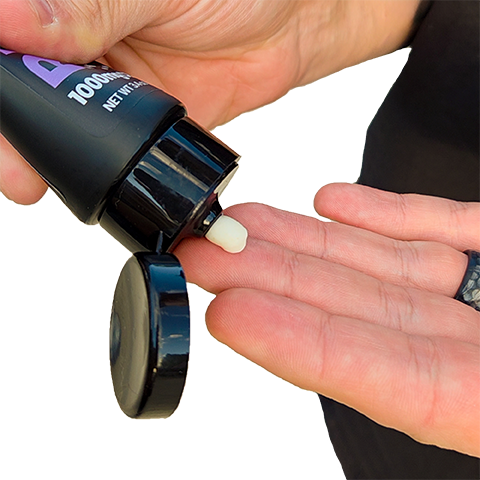
Have you considered the benefits of targeted topical relief? Heating and cooling CBD balm delivers dual-action relief through menthol, methyl salicylate, and full-spectrum hemp extract. These formulas typically provide 1000mg of targeted CBD specifically designed for muscle and joint recovery.
We invite you to explore natural CBD options as part of your wellness routine. Your healing journey is unique to you, and finding the right combination of treatments can make all the difference in getting back to the activities you enjoy.
Tendonitis vs. Arthritis: Side-by-Side Comparison
Here's a clear breakdown to help you understand the key differences between these two conditions:
|
What You Need to Know |
Tendonitis |
Arthritis |
|
What It Is |
Inflammation of the thick, fibrous cords (tendons) that connect your muscles to bones |
Inflammation affecting areas where two bones meet (joints) — more than 100 different types exist |
|
What Gets Affected |
Your tendons — those flexible, rope-like cords connecting muscle to bone, plus the soft tissues around joints |
Joint surfaces, cartilage, bone, ligaments, synovium, and the joint cavity itself |
|
Where the Inflammation Happens |
Primarily in the soft tissues around your joints |
Within the joint itself or directly around it |
|
Most Common Trouble Spots |
Shoulders, elbows, wrists, knees, and heels |
Varies by type — can affect wrists, hands, feet, knees, hips, or spine |
|
What Causes It |
Overuse, repetitive motions, sudden injuries like falls, or working with vibrating tools |
Osteoarthritis: Wear and tear on cartilage over time |
|
How the Pain Feels |
Localized pain near a specific joint that gets worse with movement and improves with rest; tender when you press on it |
More widespread, persistent pain within joints; you might hear grinding or crunching sounds (crepitus); pain continues even when resting and often worsens at night |
|
Morning Stiffness |
Less than 30 minutes |
Longer than 30 minutes (especially with RA) |
|
When It Typically Starts |
Can happen to anyone, but more common after age 40 when tendons lose flexibility |
Risk increases with age; RA typically begins between ages 30-50 |
|
How Common It Is |
About 24% of athletes develop Achilles tendon issues during their lifetime |
Osteoarthritis: Over 32.5 million U.S. adults |
|
Who's at Higher Risk |
Athletes, construction workers, hairstylists, painters, plumbers, carpenters, computer users; weekend warriors who suddenly ramp up activity |
Family history, previous joint injuries, obesity, smoking, advancing age |
|
How Doctors Diagnose It |
X-rays: Can't see tendons but helps rule out arthritis |
X-rays: Shows cartilage loss, bone changes, narrowing joint space |
|
Blood Tests Needed |
Not typically used for diagnosis |
Rheumatoid factor, Anti-CCP antibodies (~95% specificity), ESR, C-reactive protein |
|
Treatment Approach |
Usually responds well to rest, ice, and anti-inflammatory treatments; typically an acute condition |
Often requires long-term management with medication, physical therapy, and lifestyle changes |
|
How Long Treatment Takes |
Generally shorter-term recovery |
Long-term, ongoing management |
|
Do They Cause Each Other |
Does not directly cause arthritis |
Does not directly cause tendonitis |
|
First Steps for Relief |
RICE protocol (Rest, Ice, Compression, Elevation); ice for 10-20 minutes every 1-2 hours in first 8 hours |
RICE protocol, activity modification, pain management strategies |
|
Injection Options |
Corticosteroids (relief lasts about 2 months); PRP (benefits last 9-12 months) |
Corticosteroids (relief lasts about 2 months); PRP (benefits last 9-12 months for knee OA) |
|
Surgery Success Rates |
Success varies by procedure and location |
Hip replacement: 95% success rate for the first 5-10 years |
Remember, while both conditions involve inflammation and can cause similar discomfort, understanding these differences can help you and your healthcare provider determine the best path forward for your specific situation.
Final Thoughts
Understanding the difference between tendonitis and arthritis really comes down to knowing where the problem starts. Tendonitis targets those tough cords that connect your muscles to bones, while arthritis goes after the joints where bones come together. Both can cause significant discomfort, but they need different approaches to find relief.
Remember, getting the right diagnosis is essential for your recovery. While it might be tempting to guess what's causing your pain, a healthcare professional can provide the thorough evaluation you need. They'll examine your symptoms, assess your range of motion, and recommend appropriate imaging tests to determine whether you're dealing with tendon inflammation or joint issues.
Tendonitis often improves with rest, proper care, and gradual return to activity. Arthritis typically requires ongoing management, but there are many effective strategies to help you maintain an active, comfortable life.
Your wellness journey is uniquely yours, and understanding these conditions is an important step toward finding the relief that works best for you.
FAQ's About Tendonitis vs. Arthritis
Q: Can tendonitis turn into arthritis over time?
A: No, tendonitis does not directly cause arthritis. These are two distinct conditions affecting different structures in your body. Tendonitis involves inflammation of the tendons that connect muscles to bones, while arthritis affects the joints themselves. Although both involve inflammation and can cause pain, one condition does not lead to or cause the other.
Q: How can I tell if my joint pain is from tendonitis or arthritis?
A: The key difference lies in the pain pattern and location. Tendonitis causes localized pain near a specific joint that worsens with movement and improves with rest. Arthritis produces more widespread, persistent pain within the joint itself that can continue even during rest and often worsens at night. Additionally, morning stiffness lasting longer than 30 minutes typically indicates arthritis rather than tendonitis.
Q: Which condition is more serious - tendonitis or arthritis?
A: Neither is inherently "worse" than the other, as severity depends on your individual situation. However, arthritis generally requires long-term management involving medication, physical therapy, and lifestyle changes, while tendonitis typically responds to shorter-term treatments like rest, ice, and anti-inflammatory approaches. Arthritis is often a chronic condition, whereas tendonitis is usually acute.
Q: What imaging tests are used to diagnose tendonitis versus arthritis?
A: X-rays are useful for detecting arthritis by revealing cartilage loss and bone changes, but they cannot visualize tendons. For tendonitis, ultrasound and MRI are more effective, as they can detect tendon thickening, tears, and inflammation. MRI provides the most detailed images of soft tissues and is superior for diagnosing both conditions, particularly in early stages.
Q: At what age do people typically develop tendonitis or arthritis?
A: Tendonitis can affect anyone but becomes more common after age 40 when tendons naturally lose flexibility. Arthritis risk increases progressively with age, though rheumatoid arthritis typically begins between ages 30 and 50. Osteoarthritis, the wear-and-tear type, is more common in older adults, though it can also affect younger people with previous joint injuries.
References
https://int.livhospital.com/tendonitis-vs-arthritis-the-simple-way-to-tell-the-crucial-difference/
https://www.mayoclinic.org/diseases-conditions/tendinitis/symptoms-causes/syc-20378243
https://my.clevelandclinic.org/health/body/21738-tendon
https://www.empirept.com/blog/8-different-types-of-tendonitis-causes-and-treatments
https://www.ncbi.nlm.nih.gov/books/NBK513237/
https://orthoinfo.aaos.org/en/diseases--conditions/achilles-tendinitis/
https://www.mayoclinic.org/diseases-conditions/achilles-tendinitis/symptoms-causes/syc-20369020
https://my.clevelandclinic.org/health/diseases/10919-tendonitis
https://my.clevelandclinic.org/health/diseases/21553-achilles-tendinitis
https://orthoinfo.aaos.org/en/diseases--conditions/tennis-elbow-lateral-epicondylitis/
https://www.hopkinsmedicine.org/health/conditions-and-diseases/achilles-tendon-injuries
https://my.clevelandclinic.org/health/diseases/21711-golfers-elbow-medial-epicondylitis
https://www.hopkinsmedicine.org/health/conditions-and-diseases/tendonitis
https://www.mayoclinic.org/diseases-conditions/de-quervain-tenosynovitis/symptoms-causes/syc-20371332
https://my.clevelandclinic.org/health/diseases/10915-de-quervains-tendinosis