Trapezius Muscle Pain: Why It Won't Go Away and What Actually Works
Key Takeaways
Chronic trapezius pain affects millions of desk workers and won't resolve with stretching alone because it treats symptoms, not root causes. Here's what actually works for lasting relief:
- Strengthen, don't just stretch - Weak middle and lower trapezius muscles cause upper trap overcompensation; targeted strengthening exercises prove more effective than stretching-only approaches
- Address forward head posture immediately - Every inch your head moves forward adds 10 pounds of force to your neck, exponentially increasing trapezius strain
- Take movement breaks every 20-60 minutes - The 20-20-20 rule and regular posture resets prevent muscular fatigue that triggers pain cycles
- Combine multiple treatment methods - Evidence shows heat/cold therapy, trigger point release, ergonomic setup, and stress reduction work synergistically for optimal results
- Focus on muscle endurance over perfect posture - Building endurance in various positions matters more than maintaining rigid alignment all day
The key insight: Your trapezius feels tight because it's actually weak and overworked, not because it needs more stretching. Successful treatment requires addressing the underlying dysfunction through strengthening, ergonomics, and consistent daily habits rather than chasing temporary symptom relief.
Introduction
Trapezius muscle pain — it's that nagging ache between your shoulder blades that just won't quit, no matter how many times you roll your shoulders or stretch your neck. You know the feeling: that persistent tension that makes even simple tasks like checking your phone or reaching for something uncomfortable.
You're not alone in this struggle. Chronic trapezius pain affects 10-20% of adults who experience severe neck and shoulder discomfort, with desk workers and those in repetitive jobs particularly vulnerable. The good news? Most trapezius pain is mechanical and not dangerous, but finding lasting relief requires understanding why your current approach isn't working.
Remember those times you've stretched your neck, felt temporary relief, only to have the pain return within hours? There's a reason for that cycle, and it's not because you're not stretching enough.
Let's explore the real causes behind your trapezius pain and discover evidence-based treatments that actually deliver lasting results. We'll help you move beyond those temporary fixes to find the comfort you've been searching for.
Understanding Your Trapezius Muscle Pain
What the trapezius does in your body
Let's learn more about this hardworking muscle that's been causing you so much trouble. Your trapezius is a large, trapezoid-shaped muscle that spans from the base of your skull down to your mid-back and out to each shoulder blade. This superficial muscle sits closest to your skin, making it one of the most accessible muscles in your upper body.
What makes your trapezius unique is how it divides into three distinct sections, each handling different responsibilities throughout your day. Think of it as three workers on the same team, each with their own specialties.
The upper fibers elevate your shoulder girdle and extend your neck. Every time you shrug your shoulders or tilt your head back, you're putting these upper trap fibers to work. The middle section pulls your shoulder blades back toward your spine — that squeezing motion you make when trying to improve your posture. The lower fibers depress your scapula and work with the upper section to rotate your shoulder blade upward.
Your trapezius stabilizes and moves your scapula, which proves essential for coordinated shoulder function. Working alongside muscles like the serratus anterior, your trapezius controls the scapulohumeral rhythm that enables you to reach overhead or throw objects. Beyond movement, this muscle serves as a primary support system for postural control, helping maintain your spinal column when you stand.
Here's something interesting: you engage your trapezius almost constantly for small adjustments in head position, neck alignment, and shoulder placement. Side bending, head rotation, and arm movements all require trapezius activation.
Where you feel trap muscle pain
Understanding where trapezius pain shows up can help you identify what's happening in your body. Pain manifests differently depending on which section becomes irritated or strained. Upper back soreness, neck stiffness, and pain between your shoulder blades rank among the most common complaints. You might experience sharp or dull neck pain alongside trapezius dysfunction, often accompanied by tightness that restricts normal movement.
Have you ever noticed headaches that seem connected to your neck and shoulder tension? Tension headaches represent a significant pain pattern linked to trapezius problems. The upper trapezius has a clear pain referral pattern to your head. When this muscle develops trigger points or experiences hypertonicity, you may feel bilateral, throbbing headaches that start at the base of your skull and wrap around to your forehead. This classic distribution follows the path of the accessory and occipital nerves.
The symptoms can vary considerably from person to person. You might experience muscle spasms, cramping, or a reduced range of motion in your neck and shoulders. Some people describe a burning sensation, while others notice difficulty shrugging their shoulders. Pain can radiate into your shoulders or spread down between your shoulder blades. Limited neck mobility frequently accompanies these symptoms, making simple movements like turning your head uncomfortable.
Why this muscle gets overworked
Your trapezius becomes overworked when subjected to prolonged or repetitive stress that exceeds its capacity. Poor posture stands out as a primary culprit, particularly forward head posture common during desk work, phone use, or driving. When you slouch, you're pulling the trapezius out of its natural alignment and placing constant tension on the muscle fibers.
Stress plays a more significant role than many people realize. Emotional tension triggers unconscious muscle tightening in your shoulders, upper back, and neck. You literally carry stress physically in these areas, with chronic anxiety or tension keeping your trapezius contracted for extended periods. This habitual tightening leads to muscle fatigue and, eventually, pain.
Repetitive activities create their own problems. Overhead work, typing, lifting, or carrying bags can overload the trapezius without adequate rest intervals. Monotonous jobs with highly repetitive work, forceful exertions, high levels of static contractions, or prolonged static loads all contribute to trapezius dysfunction. Remember, your trapezius should relax at rest, so any persistent tightness indicates overuse.
Muscle imbalances add another layer of complexity. When supporting muscles in your upper back or core weaken, your trapezius compensates by working harder than intended. Unequal development of the three trapezius sections causes muscle imbalances and posture disturbances. The result? Your muscle fatigues faster and becomes more susceptible to strain and pain.
What Are the Root Causes of Chronic Trapezius Pain?

Chronic trapezius pain doesn't just appear overnight. It stems from multiple interconnected factors that work together to create that persistent discomfort you've been experiencing. Understanding these root causes helps explain why simple stretching alone rarely resolves the problem.
Forward Head Posture and Desk Work
Forward head posture ranks among the most common causes of trapezius dysfunction, particularly among office workers who spend hours hunched over their computers . Your head weighs approximately 10-12 pounds, but here's what's interesting: as it tilts forward, the effective weight on your neck increases exponentially . Research shows that for every inch your head moves forward, an additional 10 pounds of force loads onto your cervical spine .
This postural shift creates specific muscle changes throughout your upper body. The upper trapezius, pectoralis major, levator scapulae, and latissimus dorsi become shortened and tight, while the deep neck flexors, rhomboids, middle and lower trapezius, and serratus anterior weaken . The result? Your upper trapezius works overtime, with high muscle fatigue observed during computer work . Extended sitting drives your shoulders into positions that amplify upper trapezius activation even further .
Carrying Tension From Stress
Ever notice how your shoulders creep up toward your ears during a stressful day? Psychosocial factors play a substantial role in trapezius pain development. Mental and social stress don't just affect your mood — they exacerbate musculoskeletal pain through psychophysiological mechanisms . High work demands, lack of colleague support, low job control, and minimal workplace influence all correlate with neck pain development .
Mental stressors increase your risk of developing neck and shoulder disorders, particularly in jobs with low physical demands . Emotional stress manifests physically by unconsciously tightening the trapezius muscle . Your autonomic nervous system creates a direct link between stress responses and muscle pain, modulating how your muscle fibers contract .
Muscle Imbalances and Compensation Patterns
When certain muscles become weak, others step up to compensate — often creating more problems than they solve. Muscle imbalances create a cascade of dysfunction throughout your shoulder complex. The typical pattern involves weakness in the lower and middle trapezius, serratus anterior, infraspinatus, and deltoid, coupled with upper trapezius and pectoral tightness .
Studies reveal increased upper trapezius activation alongside decreased middle trapezius, lower trapezius, and serratus anterior activation in patients with shoulder dysfunction . Forward head posture particularly increases tension in the trapezius and levator scapulae muscles . Your body employs compensation strategies when natural movement patterns fail, creating domino effects that spread dysfunction to surrounding structures .
Overuse From Repetitive Activities
Monotonous jobs involving highly repetitive work, forceful exertions, high static contractions, prolonged static loads, or constrained postures contribute to trapezius disorders . Low-load repetitive work promotes overactivity of specific motor units, resulting in muscle changes, fatigue, and pain . Office workers show a 12-month prevalence of musculoskeletal symptoms reaching up to 63%, with the head and neck region comprising 42% of these complaints .
Trigger Points and Referred Pain
Trigger points represent hyperirritable nodules in taut muscle bands that generate characteristic pain patterns. These sensitive spots don't just cause local discomfort — they refer pain to other areas. Referred pain occurs in 85% of chronic tension-type headache patients on the dominant side and 50% on the non-dominant side, compared to 55% and 25% in healthy controls . Nearly half of these patients (45%) recognized the referred pain as their usual headache sensation . Trigger points commonly spread pain to the posterior-lateral neck and temple regions .
Underlying Medical Conditions
While mechanical causes dominate, various medical conditions can produce trapezius pain. Nerve damage affecting trapezius-connected nerves sends pain signals radiating into your traps, neck, shoulders, and head . Trauma from whiplash, falls, or direct impact creates trapezius strain and trigger points . Interestingly, women experience higher neck disorder prevalence, potentially due to work tasks involving more static neck muscle loading, high repetitiveness, low control, and high mental demands .
What's Behind Your Persistent Trapezius Pain
You've been stretching diligently for weeks, maybe even months, yet that familiar tension between your shoulder blades keeps returning. Sound familiar? The issue isn't your dedication to the routine — it's that you're addressing symptoms while the real problem stays hidden.
Understanding why your current approach falls short is the first step toward finding a solution that actually works.
The Stretching-Only Approach
Stretching feels wonderful in the moment because it increases blood flow and temporarily eases tension. But here's what research tells us: while stretching can boost flexibility, it has almost no impact on most chronic pain or injury prevention. When you rely solely on stretching for recurring trapezius muscle pain, you'll notice the relief never lasts.
Why does the tightness return so quickly? Because stretching treats the symptom, not the root cause. If your trapezius feels tight because surrounding muscles are weak, stretching the trap won't strengthen those deficient areas.
Have you noticed this predictable cycle? Tightness, stretch, temporary relief, then tight again the next day. This pattern is your body's way of telling you that the underlying issue remains unresolved.
Your nervous system sometimes tightens muscles to protect joints or compensate for instability. Stretching against this protective tightness is like tugging a locked seatbelt — your body will resist. Stretching an already stressed system can increase the stress response, making the muscle tighten up even more shortly after.
The Weakness Factor You're Missing
Muscle tightness ranks as the most common cause of trapezius pain, yet it's actually a sign of subtle muscle weakness and muscle spasm. This distinction changes everything. A muscle that feels tight isn't necessarily short — it's often overstretched or weak.
When your lower trapezius is weaker than the upper portions, activities like lifting boxes or overhead work strain the muscle. Tight muscles can actually benefit from proper loading because, in reality, they're weak.
Strength training has been proven more effective compared to general fitness training for trapezius myalgia. Neck and shoulder strengthening exercises are the key to relieving trapezius pain.
The Posture Connection You're Overlooking
Here's something that might surprise you: muscular endurance within a posture proves more important than the posture itself. Staying in any position too long, especially with elevated shoulders while hunching over a keyboard, forces you to use your traps for extended periods.
Without addressing how long you hold positions and building endurance in those positions, your trap pain relief efforts will fall short regardless of how much you stretch.
What Actually Works for Trapezius Muscle Pain Relief
Here's what you need to know: effective trapezius muscle pain relief requires a multi-faceted approach that addresses both symptoms and underlying dysfunction. The following evidence-based methods work together to reduce pain and prevent it from coming back.
Targeted Strengthening Exercises
This might surprise you, but strengthening your middle and lower trapezius muscles is often more effective than stretching for lasting relief. These exercises reduce excessive upper trapezius activation by addressing the weakness we talked about earlier.
Research shows specific exercises generate optimal muscle activation ratios. Side-lying forward flexion, side-lying external rotation, and horizontal abduction with external rotation produce the best upper-to-lower trapezius ratios. For maximal lower trapezius engagement, you can perform arm raises overhead aligned with lower trapezius muscle fibers, external rotation at 90 degrees of abduction, and prone shoulder abduction. These targeted exercises prove more effective than general fitness training for trapezius myalgia.
The key here is consistency. Start with lighter resistance and focus on proper form rather than heavy weights.
Trapezius Muscle Stretch Techniques
While strengthening addresses the root cause, stretching provides temporary relief and helps maintain flexibility when combined with your strengthening routine.
For upper trapezius stretches, sit or stand upright, tilt your head toward one shoulder bringing your ear down, and hold for 30 seconds. You can place your hand on the opposite side of your head for gentle additional pressure.
Cat-cow movements work particularly well — alternate between arching and rounding your spine, flowing with your breath for 1-2 minutes. Thread the needle pose targets trapezius fibers by threading one arm under the other while in a tabletop position, holding 20-30 seconds per side.
Remember, stretching should feel like a gentle release, not a forced pull.
Heating and Cooling Therapy Options
Temperature therapy can be a game-changer when used correctly. The timing matters more than you might think.
Ice therapy reduces inflammation and numbs pain within the first 24-72 hours after acute injury. Apply cold packs for 10-15 minutes, allowing 45 minutes between applications. For chronic stiffness that's been bothering you for days or weeks, heat therapy works better by relaxing tight muscles and improving blood circulation. Use heating pads for 15-20 minutes at warm (not hot) temperatures.
Contrast therapy alternates heat and cold stimulation, with a 3:1 ratio showing improved muscle hardness and reduced subjective stiffness. This approach can be especially helpful for stubborn trigger points.
Manual Therapy and Trigger Point Release
Those knots you feel in your trapezius? They're often trigger points, and addressing them directly can provide significant relief.
Myofascial release improves lymphatic and vascular drainage while relaxing stiff muscles. Apply gentle, gradually increasing pressure to tender points until you feel resistance, then sustain pressure until the point yields and softens. This process takes anywhere from a few seconds to several minutes.
You don't need expensive equipment for this. Self-massage using your hands, massage balls, or foam rollers for 30-60 seconds per trigger point breaks up muscle tightness. The key is patience — don't rush the process.
Ergonomic Workspace Setup
Your workspace might be sabotaging your recovery efforts. Small adjustments can make a substantial difference.
Position your monitor at eye level, approximately 20-40 inches from your face. Adjust your chair so feet rest flat with knees at hip level and arms at 90-degree angles while typing. Place frequently used objects within easy reach to minimize shoulder strain.
Most importantly, take movement breaks every 30-60 minutes to reset posture and maintain circulation. Set a timer if you need to — your trapezius will thank you for the regular breaks from sustained positioning.
Building a Long-Term Prevention Plan
Relief methods can ease your immediate discomfort, but preventing trapezius muscle pain from coming back requires building consistent daily habits into your routine.
Daily Posture Resets
Perfect posture all day isn't realistic — and it's not necessary. Instead, reset your alignment multiple times throughout the day with simple micro-adjustments that take just seconds.
Pull your shoulders back and down, align your head over your shoulders, and check that your chin isn't jutting forward. Try chin tucks by gently pulling your chin straight back while keeping your eyes level. Roll your shoulders backward five times to release any accumulated tension.
These small movements prevent the muscular fatigue that triggers trap pain. Think of them as quick check-ins with your body rather than rigid posture rules.
Movement Breaks and Desk Exercises
Remember the 20-20-20 rule: every 20 minutes, take a 20-second break and look at something 20 feet away. This simple protocol reduces neck and shoulder discomfort by 50% compared to uninterrupted sitting.
Every 60 minutes, take a 2-3 minute movement break to walk around or stretch. At your desk, perform scapular squeezes by squeezing your shoulder blades together for a few seconds. Upper trapezius stretches during 30-minute intervals can help prevent trigger point development.
Stress Reduction Techniques
Your emotional state directly affects your muscle tension. Practice the 4-7-8 breathing technique: exhale completely, inhale for 4 counts, hold for 7 counts, exhale for 8 counts, repeat 4 times.
Studies show 10 minutes of daily mindfulness meditation reduces perceived stress by 30-40% and decreases muscle tension. Progressive muscle relaxation, which systematically tenses and releases muscle groups, takes 10-15 minutes to complete.
When Professional Help Makes the Difference
Sometimes self-care measures aren't enough. If pain persists despite your best efforts, seek physical therapy. Therapists can provide individualized programs that address your specific postural issues and compensation patterns.
Professional assessment proves valuable for long-term health — prevention costs significantly less than treatment later. Don't wait until the pain becomes unbearable to seek help.
How To Use CBD for Trapezius Discomfort
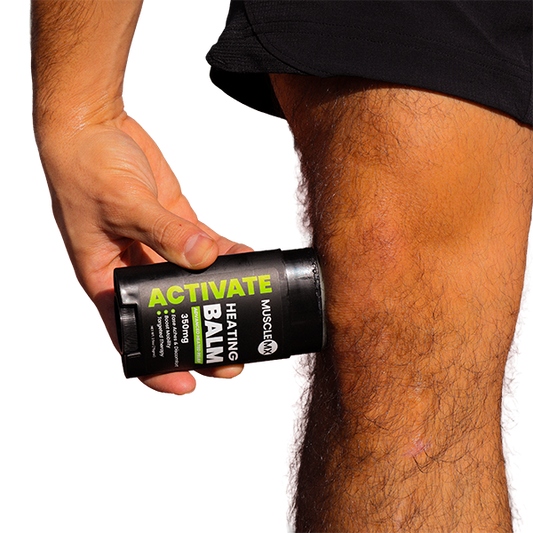
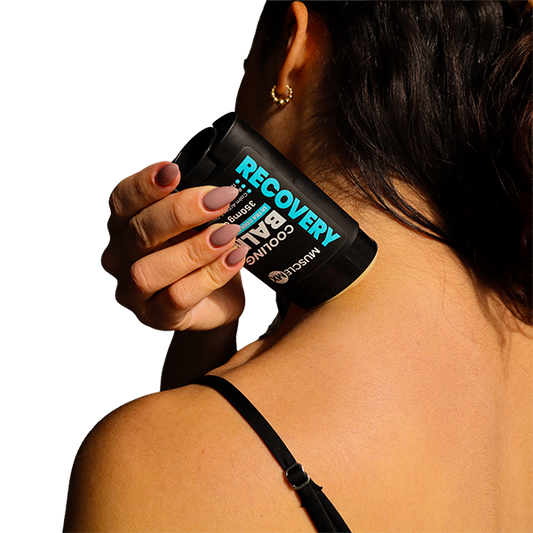
When it comes to using CBD for trapezius discomfort, there are a few tips to keep in mind. For localized support, a topical balm can be applied as needed or before and after exercising. For systemic support, gummies or oils can be taken in the morning to encourage balance and support stress response throughout the day or before bed.
Final Thoughts
Persistent trapezius pain won't disappear through stretching alone because you're treating the symptom rather than the cause. Lasting relief requires a different approach — one that combines targeted strengthening exercises, proper ergonomics, stress management, and consistent posture resets throughout your day.
Remember, your trapezius pain developed over time through repetitive habits, and reversing it demands the same patience. Start by strengthening your weak middle and lower trapezius muscles, then build daily movement breaks into your routine. When you address the underlying dysfunction rather than chasing temporary relief, you'll finally break free from the cycle of recurring pain.
Your wellness journey is uniquely yours, and understanding what's causing your discomfort is the first step towards finding a solution that works for you. We invite you to explore natural options like CBD products that can work with your body's own systems to support balance and ease feelings of tension throughout your neck and shoulders.
FAQ's About Trapezius Muscle Pain
Q: Why does my trapezius muscle pain keep coming back even after stretching?
A: Stretching only provides temporary relief because it addresses the symptom rather than the root cause. Your trapezius often feels tight because it's actually weak and overworked, not because it needs more stretching. The underlying issues—such as muscle imbalances, poor posture, and weak supporting muscles—remain unresolved, causing the pain to return shortly after stretching.
Q: What are the most effective exercises for trapezius muscle pain relief?
A: Targeted strengthening exercises for the middle and lower trapezius are most effective. These include side-lying forward flexion, side-lying external rotation, horizontal abduction with external rotation, and prone shoulder abduction. These exercises reduce excessive upper trapezius activation and address the weakness that causes pain, proving more effective than general fitness training or stretching alone.
Q: How does stress contribute to trapezius muscle pain?
A: Emotional and mental stress causes you to unconsciously tighten your trapezius muscle, keeping it contracted for extended periods. The autonomic nervous system creates a direct link between stress responses and muscle tension. High work demands, lack of support, and low job control all correlate with increased neck and shoulder pain, making stress management essential for long-term relief.
Q: Should I use heat or ice for trapezius muscle pain?
A: Use ice therapy within the first 24-72 hours after acute injury to reduce inflammation and numb pain, applying for 10-15 minutes at a time. For chronic stiffness and ongoing pain, heat therapy works better by relaxing tight muscles and improving blood circulation. Apply heating pads for 15-20 minutes at warm temperatures, or alternate between heat and cold for optimal results.
Q: How often should I take breaks from desk work to prevent trapezius pain?
A: Follow the 20-20-20 rule: every 20 minutes, take a 20-second break and look at something 20 feet away. Additionally, take a 2-3 minute movement break every 60 minutes to walk around or perform desk exercises like scapular squeezes and shoulder rolls. These regular breaks reduce neck and shoulder discomfort by up to 50% compared to uninterrupted sitting.
References
https://www.sciencedirect.com/science/article/pii/S2773157X25001912
https://www.physio-pedia.com/Trapezius_Myalgia
https://ubiehealth.com/doctors-note/trapezius-pain-tense-muscle-medically-relief-rx-47
https://www.ncbi.nlm.nih.gov/books/NBK518994/
https://www.westburytotalhealthcare.net/blog/posts/understanding-neck-pain-the-role-of-overworked-trapezius-and-levator-scapulae-muscles
https://www.physio-pedia.com/Trapezius
https://my.clevelandclinic.org/health/body/21563-trapezius-muscle
https://www.manhattanptandpain.com/trapezius-muscle-pain-causes-symptoms-and-solutions
https://fortitudephx.com/blog/why-stretching-isnt-solving-your-pain
https://hartfordhealthcare.org/about-us/news-press/news-detail?articleId=63551&publicid=500
https://www.hingehealth.com/resources/articles/trapezius-pain-exercises/
https://theprehabguys.com/the-truth-behind-tight-upper-traps/
https://www.medbridge.com/blog/best-exercises-for-the-trapezius-muscle
https://www.healthline.com/health/fitness-exercise/trapezius-stretches